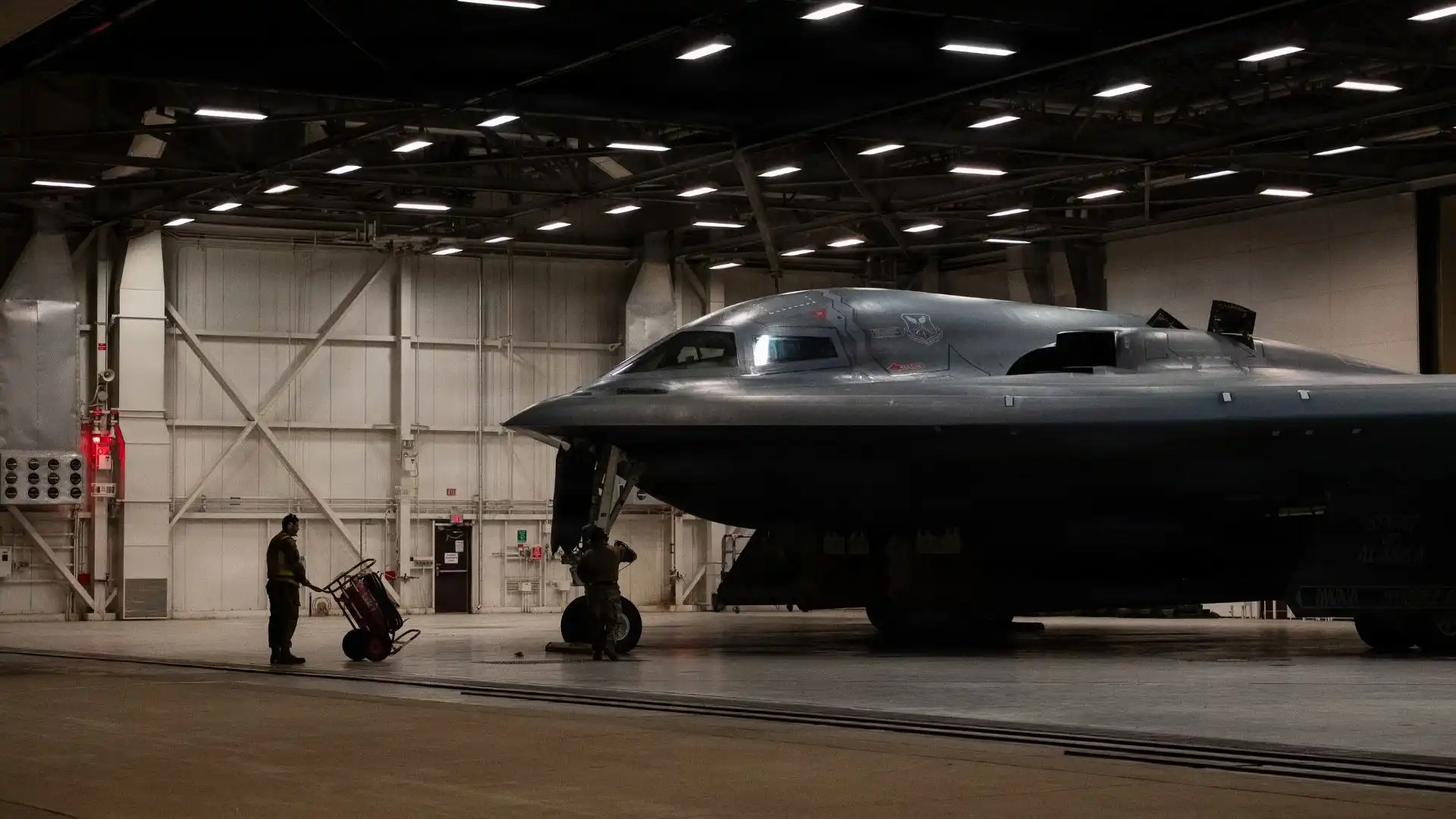
US forces in the Middle East are postured to launch a new, potentially large-scale strike campaign against Iran within 96 hours of an order from President Donald Trump, two US officials told CNN, adding that sufficient forces are already deployed in the region. Planners at US Central Command (CENTCOM) and the Pentagon have built Iran strike plans around a target list spanning Iranian energy infrastructure, military sites and nuclear facilities.
The planning breaks from the pattern in place since the 38-day Operation Epic Fury air campaign, launched on February 28, ended in a ceasefire announced April 7, 2026. CENTCOM has since combined a naval blockade of Iranian ports, mine clearance in the Strait of Hormuz and episodic strikes on assets Iran can quickly reconstitute: coastal surveillance radars at Goruk and on Qeshm Island on June 5, more than 80 targets in early July, rocket launchers on Larak Island on August 30 and further targets on September 1. According to the officials, the new operations would likely go beyond efforts to “mow the lawn.”
How CENTCOM’s Iran Strike Plans Differ From Reconstitution Raids
The difference is one of target class and scale. Strikes since the ceasefire have hit radars, launchers and other assets Iran can rebuild quickly. Trump said the September 1 strikes focused on Iran’s effort to reconstruct radar coverage destroyed in earlier strikes, and that US forces waited until the work was almost complete before hitting it. Adding energy and nuclear target sets points to sustained strike packages rather than single-night raids. “It will be a big effort,” one of the officials told CNN.
Officials acknowledge an operational complication. Iranian forces are now more familiar with US tactics, making it harder to destroy every intended target. Iran’s repeated rebuilding of radar and launcher sites means a broader campaign would need dedicated restrike capacity and persistent intelligence, surveillance and reconnaissance (ISR) coverage to confirm battle damage.
The maritime picture has also changed. CENTCOM commander Adm. Brad Cooper told Congress in May that US forces had eliminated about 90% of Iran’s inventory of more than 8,000 naval mines, and he declared the strait’s international shipping lanes clear on August 28 after work by Navy divers and SEALs supported by Army, Air Force, Marine Corps and Navy air assets. Cooper overflew the strait by helicopter on October 25 and met the service members who cleared it of mines. The blockade, resumed on July 14, runs in parallel: by October 10, CENTCOM forces had redirected 135 commercial vessels, disabled four and destroyed 10 tankers linked to the Islamic Revolutionary Guard Corps (IRGC) clandestine network.
Carrier Air Power and Interceptor Depth Shape CENTCOM Strike Posture
The USS George H.W. Bush (CVN 77) and the Japan-based USS George Washington (CVN 73), which deployed in August to relieve USS Abraham Lincoln, are both operating in the region. USS Theodore Roosevelt (CVN 71), flagship of Carrier Strike Group 9, left San Diego on September 27 and departed Yokosuka, Japan, on October 19 for the Keen Sword exercise, which runs through October 29. It is reported to be bound for the Middle East afterward, where it could relieve George Washington, though the Navy has not confirmed a follow-on deployment. The USS Makin Island Amphibious Ready Group, carrying the 13th Marine Expeditionary Unit, sailed from San Diego on September 28. The region already hosts about 50,000 US personnel.
That reliance on carriers reflects the war’s opening weeks, when Iranian missiles and drones hit Kuwait, the United Arab Emirates, Bahrain and Qatar, and an Iranian strike damaged the AN/FPS-132 early warning radar in Qatar, a key missile defense sensor. Carrier flight decks can generate sorties beyond the densest missile threat to fixed Gulf bases.
US intelligence assesses that Iran and the Houthis would retaliate immediately against US personnel and facilities in the region and beyond if struck, but are unlikely to strike first. An unclassified October 23 memo from Director of National Intelligence Jay Clayton to Secretary of State Marco Rubio found that Iran has substantially increased efforts to target US personnel. The US Embassy in Riyadh is under ordered departure, other posts are expected to receive similar directives or personnel caps, and nonessential troops slated for the next rotation will no longer deploy.
Munitions depth compounds the risk. Trump invoked the Defense Production Act in June 2026, citing systemic constraints in the munitions industrial base, while Israel, its defensive munitions strained, has deferred further strikes in favor of joint operations backed by US missile defense, according to a source briefed on the matter.
Analysis: The plans shift CENTCOM from managing Iranian reconstitution to a deliberate campaign, and the binding constraint is defensive, not offensive. Two carrier air wings plus land-based aviation offer ample capacity against an expanded target list. Absorbing the response is harder: retaliation against dispersed US personnel, Gulf energy sites and Israel would draw on Patriot, Terminal High Altitude Area Defense (THAAD) and Standard Missile inventories that the Defense Production Act order is meant to rebuild, with at least one key regional early warning radar damaged in the spring. Interceptor depth, not sortie generation, is likely to set the tempo and duration of any new campaign.
Officials say an order could come any time before year’s end, most likely after the November 3 midterm elections, though Trump has not made a final decision. A senior Pentagon official said the department’s job is to “develop and execute military options ordered by the President.” Markers to watch: Roosevelt’s tasking after Keen Sword, whether CENTCOM moves to a three-carrier posture, further embassy drawdowns, and blockade enforcement around Hormuz, where one US official called the status quo untenable for the long term.