The Netherlands deposited its instruments of accession to the Organisation for Joint Armament Cooperation (OCCAR) with France on November 26, 2026, the Dutch Ministry of Defence announced. France serves as depositary of the OCCAR treaties. Membership enters into force 30 days after the deposit, making the Netherlands the seventh member state of the Bonn-based agency that manages multinational defense equipment programs on behalf of European governments.
The accession closes a process that The Hague formally announced in November 2023 and reverses a decision taken more than two decades ago. The Dutch government launched an OCCAR accession procedure in 2001 but suspended it in 2002 after consultations with parliament. The new accession bill, submitted to the House of Representatives in May 2026 by Defence Minister Dilan Yeşilgöz-Zegerius and Foreign Affairs Minister Tom Berendsen, cleared parliament, and the approval act entered into force on October 31, 2026. The step comes weeks after OCCAR marked its 25th anniversary in October 2026, as rising European defense budgets push more governments toward collaborative procurement.
How the Netherlands Joins OCCAR: Treaties, Members, and Programs
OCCAR’s six current member states are Belgium, France, Germany, Italy, Spain, and the United Kingdom. France, Germany, Italy, and the UK founded the organization; the OCCAR Convention was signed in Farnborough on September 9, 1998, and entered into force in 2001. Belgium and Spain joined later. To become a member, the Netherlands had to accede to two treaties: the OCCAR Convention itself and the OCCAR Security Agreement, which governs the protection of classified information exchanged within programs.
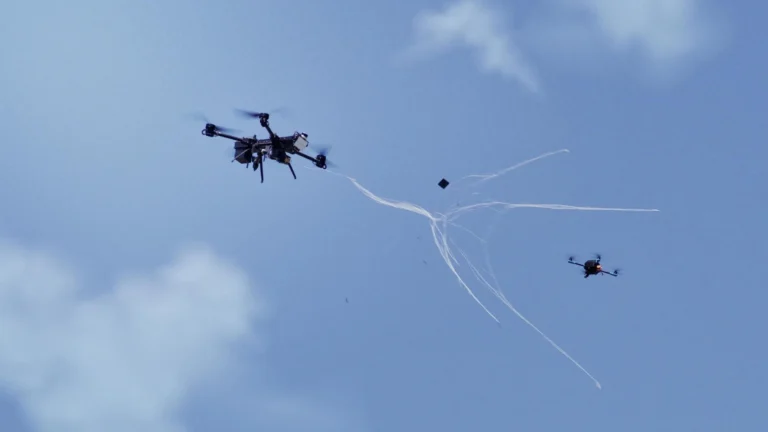
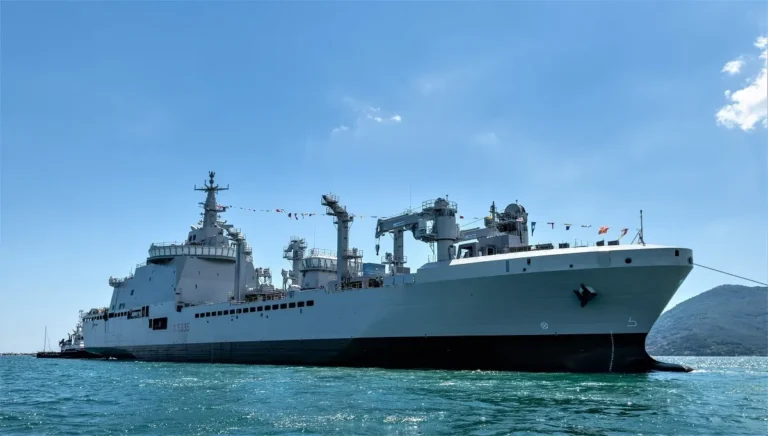
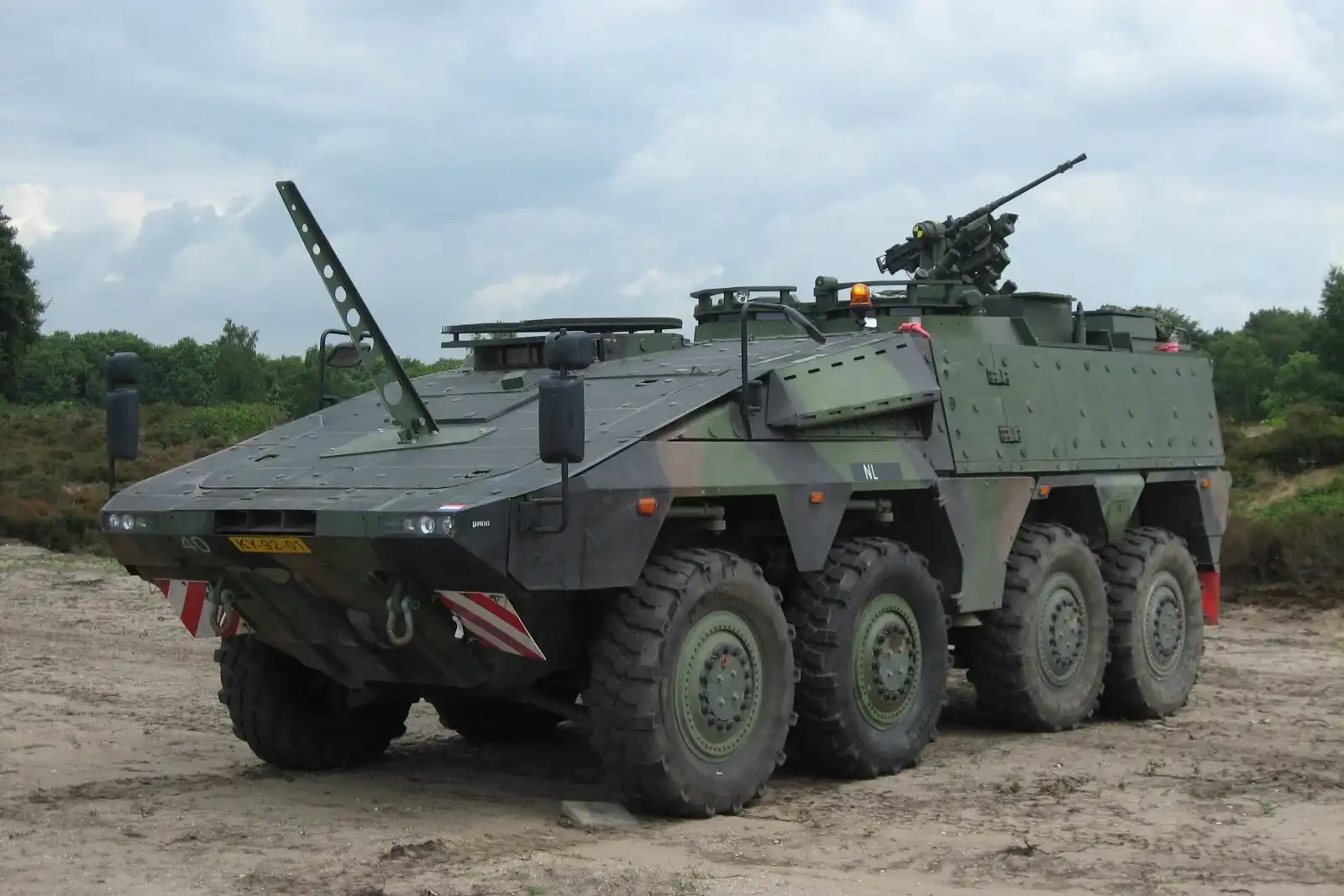
OCCAR is not part of the European Union or NATO, although it works with both. It holds no investment budget of its own. Instead, it manages development, production, and in-service support programs at the request of one or more states, which fund the work. Non-member countries can join individual programs as participating states. According to OCCAR, the agency currently manages 28 programs across the air, land, sea, space, and cyber domains, with an annual portfolio of approximately €8.5 billion, and counts 14 non-member participating states. Its portfolio includes the A400M airlifter, the Boxer 8×8 armored vehicle family, the FREMM multi-mission frigate, the FSAF-PAAMS air and missile defense system, and the Eurodrone medium-altitude, long-endurance remotely piloted aircraft system.
Membership carries no program obligations. Each member state decides which projects it joins, and the Dutch Ministry of Defence stated that it can continue to buy equipment outside OCCAR, assessing the most suitable procurement route for each requirement.
Boxer Track Record and What Full Membership Changes for Dutch Industry
Boxer is the clearest example of Dutch work inside OCCAR, having entered the framework on December 10, 1999. The Netherlands set its original requirement at 200 vehicles in five variants: 36 command post, 52 ambulance, 92 engineer, 12 cargo, and 8 driver training vehicles. The trilateral cooperation between Germany, the Netherlands, and Lithuania grew to 696 vehicles under contract after Lithuania joined in 2016, and the United Kingdom rejoined the OCCAR-managed Boxer program in 2018. In October 2025, OCCAR signed a €4.5 billion contract package covering 270 additional Boxer vehicles, including the Schakal infantry fighting vehicle for Germany and the Netherlands, which raised the total value of the OCCAR-managed Boxer program above €10 billion.
Dutch parliamentary documents also record the limits of non-member status. Decision-making on Boxer had to be coordinated internationally through OCCAR, which constrained Dutch autonomy.
The Ministry of Defence lists three concrete gains from full membership: earlier visibility of new programs in preparation, a voice in defining what those programs must deliver, and wider access for Dutch companies to OCCAR contracts, including in programs the Netherlands does not fund. The government told parliament that rapid accession would strengthen Dutch influence over several equipment projects OCCAR is currently preparing and in which the ministry has an interest, without naming them. The ministry also cites interoperability between forces operating common equipment and lower unit costs from larger joint orders. OCCAR Director Joachim Sucker welcomed the accession, pointing to Dutch participation in Boxer as evidence of a demonstrated commitment to cooperation.
Analysis: Dutch accession matters less for any single program than for where it positions The Hague in Europe’s procurement architecture. The Netherlands has already integrated its land brigades into German divisions and buys Boxer through OCCAR alongside Berlin. Membership converts that bilateral depth into a seat at the multilateral table where requirements for the next generation of joint programs are set. For OCCAR, a seventh member reinforces its standing as a framework that manages EU co-funded programs while also including the UK, a non-EU state. For Dutch industry, the practical test will be whether earlier access to program planning translates into contract awards.
Membership takes effect 30 days after the November 26 deposit, placing entry into force in late December 2026. The next indicators to watch are which OCCAR programs in preparation the Netherlands joins first, and whether Dutch firms win work in programs the Netherlands does not fund. The explanatory memorandum to the accession bill puts the net annual cost of membership at about €1.5 million, separate from contributions to individual programs.