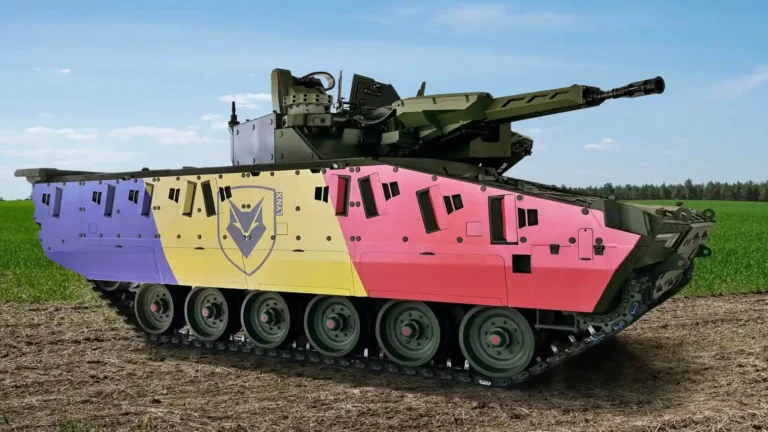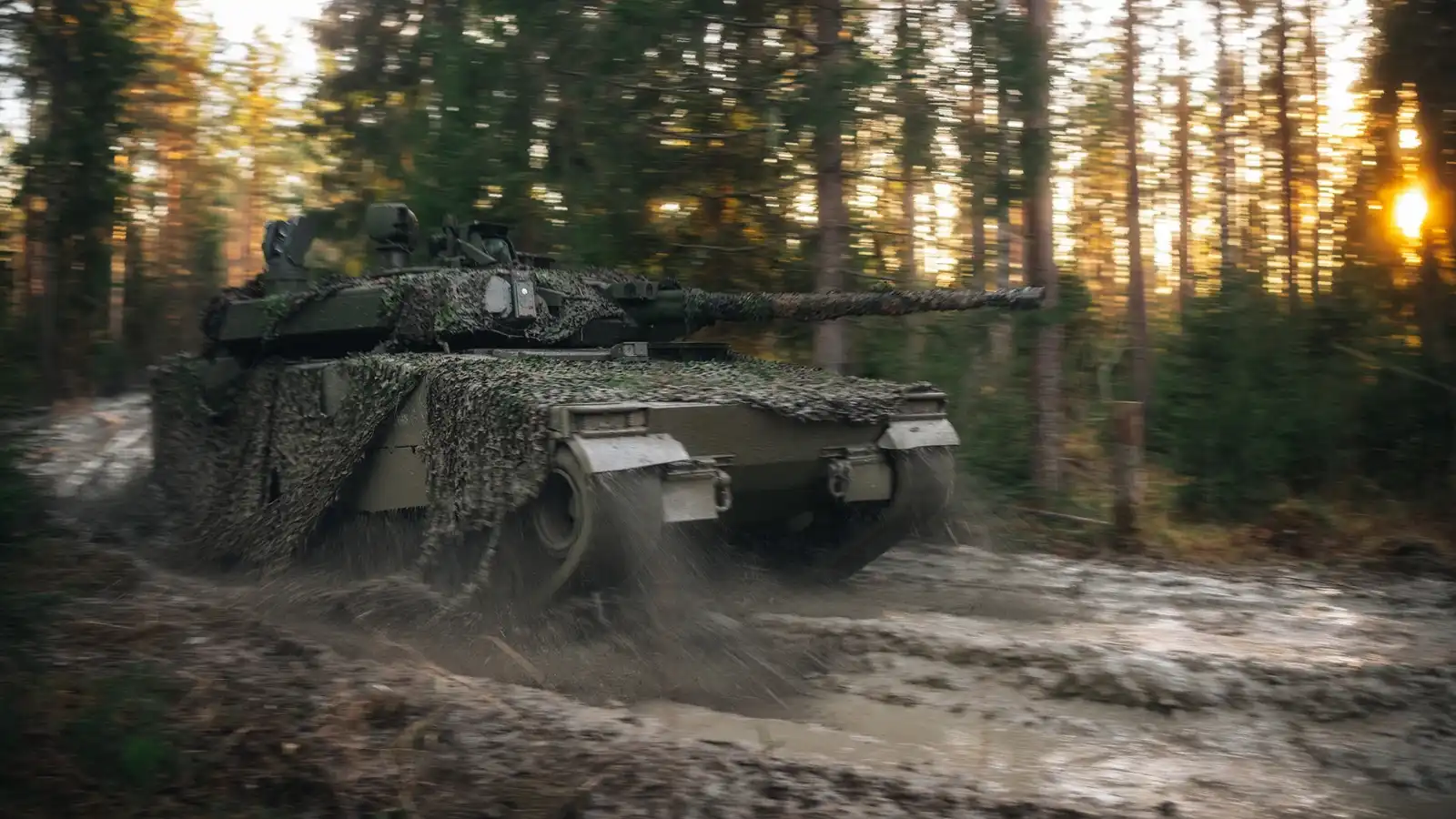
BAE Systems has been awarded contracts worth a combined $6 billion (€5.5 billion) to deliver more than 400 CV9035 MkIV Nordic Edition infantry fighting vehicles (IFVs) to Finland, Lithuania, the Netherlands, Norway and Sweden, the company announced on November 27, 2026. Each nation signed a separate Purchase Order Agreement (POA) referencing a single framework agreement that locks in a common vehicle configuration, with Sweden acting as lead nation for the negotiation.
The award closes an 18-month process that began on June 5, 2025, when six governments signed a statement of intent to explore a joint buy, followed on November 12, 2025, by a technical arrangement setting out cooperation principles, technical requirements and a path to contract. Estonia, the sixth signatory, has since withdrawn to prioritize unmanned aerial vehicles and air defense. BAE Systems Hägglunds submitted its best and final offer on June 16, 2026. By value, the result is the largest single order in more than three decades of CV90 production, and it makes Lithuania a new CV90 operator. Finland’s Ministry of Defence puts the joint buy at more than 430 vehicles, above the 400-plus figure given by BAE Systems.
CV90 MkIV Nordic Edition Configuration and Combat Capabilities
The Nordic Edition is a military off-the-shelf derivative of the fifth-generation CV90 MkIV, pairing an upgraded chassis with the turret developed for the Royal Netherlands Army’s CV90 mid-life upgrade. Main armament is the 35 mm Bushmaster III automatic cannon. In the Dutch upgrade, the gun was moved forward in a redesigned turret to improve vehicle balance and crew ergonomics and to allow new weapons to be introduced. The choice consolidates the buyers on a single caliber: Finland and Norway currently field 30 mm CV90 variants, while Sweden’s legacy Strf 9040 fleet carries the 40 mm Bofors gun. A common 35 mm baseline simplifies ammunition stockpiling and cross-servicing across the group.
BAE specifications for the MkIV list an engine of up to 1,000 hp, an upgraded heavy-duty transmission and active damping to raise terrain speed and improve handling. The company says the MkIV raises the gross vehicle weight rating from 35 to 38 tonnes, adding three tonnes of payload without reducing agility. The vehicle can carry up to eight personnel and reach about 70 km/h.
BAE describes the CV90 MkIV as the first Western IFV with a qualified active protection system (APS). The company has not disclosed whether the Nordic Edition buyers will fit an APS or integrate a guided missile.
National Orders, Industrial Shares and Production Capacity
Finland is the largest buyer. Defence Minister Antti Häkkänen authorized the purchase of 160 vehicles on November 26, 2026, under a €1.955 billion base contract with an option for 100 more, within a €2.835 billion Infantry Fighting Vehicle 2030 project. Part of the funding comes from European Union Security Action for Europe (SAFE) loans. From 2030, the vehicles will replace 110 Soviet-designed BMP-2MDs, and Finnish industry, led by Patria, is to take more than 30 percent of the contract value.
Lithuania has ordered 100 vehicles in a €1.3 billion contract and will be the first of the five nations to take delivery, with most vehicles expected by 2030 and part of the assembly and maintenance work carried out in Lithuania. The Netherlands has budgeted €1.3 billion to equip a new armored infantry battalion in its 13th Medium Brigade. Norway announced in 2025 that it planned to buy about 80 vehicles; final Norwegian, Swedish and Dutch quantities were not disclosed.
A distributed supplier network in all five countries will build vehicles and components. BAE Systems Hägglunds has invested about $450 million to expand capacity at Örnsköldsvik, Sweden, and more than 1,950 CV90s had been contracted before this award, according to the company.
Analysis: The deal’s structure matters as much as its size. Separate national POAs under one framework let each government keep its own budget and parliamentary approval while buying an identical vehicle, a model that avoids the configuration drift seen in many European land programs. The result is a common fleet of more than 400 IFVs spread from the Finnish border with Russia to Lithuania’s position near the Suwałki corridor, with shared spares, training and crew qualification. The main risk is industrial: Hägglunds is already producing 246 MkIVs for Czechia, 152 for Slovakia and MkIIIC vehicles for Denmark and Sweden, so the 2028 to 2030 delivery window will test whether the new capacity and partner-nation lines can absorb overlapping programs.
Deliveries are scheduled to begin in 2028, with Lithuania first in line and Finnish vehicles entering service from 2030. The next decision points are Finland’s 100-vehicle option, national choices on APS and missile integration, and the release of per-country quantities for Sweden, Norway and the Netherlands. Whether the framework will accept additional buyers has not been disclosed.