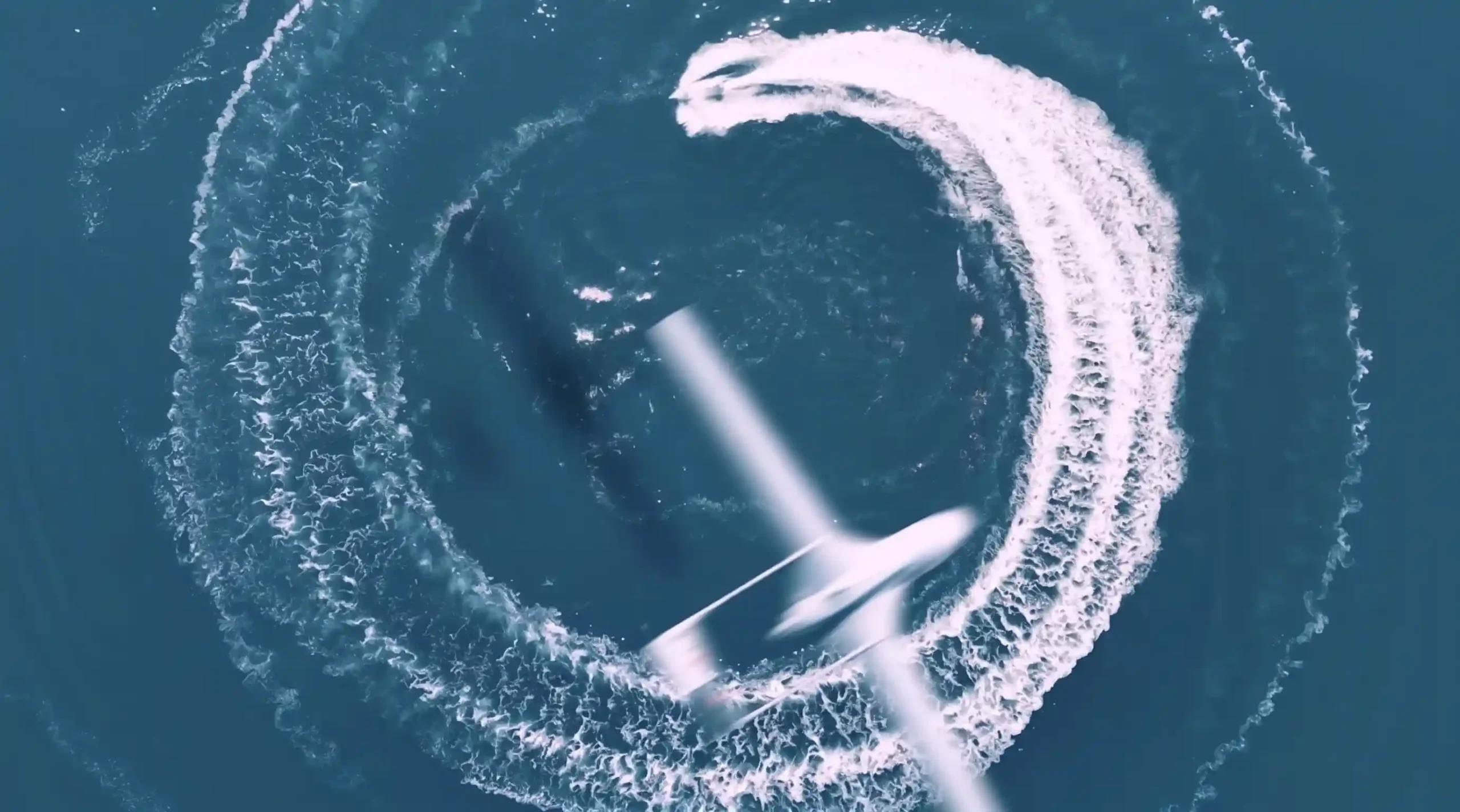
Türkiye’s state-owned Machinery and Chemical Industry (MKE) says its PIRANA kamikaze unmanned surface vessel (USV), known in Turkish as KIDA, destroyed a surface target with a 100-kilogram warhead while being controlled through a Bayraktar TB2 unmanned aerial vehicle (UAV) during the TURNAs-2026 National Unmanned Maritime Systems Exercise. The strike is the boat’s second successful attack in a Turkish Navy exercise, following an earlier kill during DENİZKURDU-I.
Turkish Naval Forces Command ran TURNAs-2026 from October 19 to 27, 2026, in the Gulf of Antalya and the Eastern Mediterranean, fielding 18 ships, 11 aircraft, 9 UAVs, 7 unmanned underwater vehicles and 9 unmanned surface vessels, with 41 systems from 17 Turkish companies. The PIRANA run took place during the Distinguished Observer Day off Antalya’s Konyaaltı coast, attended by Naval Forces Commander Admiral Ercüment Tatlıoğlu and Deputy Minister of National Defense Bilal Durdalı.
How the PIRANA Kamikaze USV Was Steered by Bayraktar TB2
The TB2 shot builds on an airborne control concept MKE first demonstrated in June 2025. In that trial, a datalink connected the amphibious assault ship TCG Anadolu, a ship-launched Bayraktar TB3 and the PIRANA; the boat was first directed from the ship’s command center before control passed to the TB3 in flight, and the vessel struck its target.
Shifting the role to the TB2 moves the concept from a carrier-capable niche aircraft to Baykar’s land-based workhorse, which the manufacturer says is operated by more than 30 countries. An airborne node lets an operator keep control of a low-profile boat well beyond the radio horizon of a launch vessel or shore station, and adds an overhead sensor view of the target area during the terminal approach.
MKE has not disclosed whether the TB2 acted as a relay for a ground operator or whether control ran through the UAV’s own ground control station, nor the standoff distance, the type of target, or whether the final attack leg was flown autonomously.
Warhead, Range and Signature: PIRANA Design Parameters
MKE’s product data lists a 5.5-meter hull with a 1.6-meter beam, a 370 mm draft and a 1,450 kg displacement. A diesel engine driving a waterjet gives a 20-knot cruise speed and a maximum above 40 knots, with mission range exceeding 200 nautical miles and operation up to Sea State 4. The 100 kg high-explosive warhead and its fuze are both MKE designs.
Navigation relies on jam-resistant GNSS, backed by a FLIR electro-optical system. Radio frequency line-of-sight and SATCOM beyond-line-of-sight links allow remote or autonomous operation, including autonomous route planning. The boat uses a composite hull, and MKE says its design and special coating reduce radar cross-section, and that the boat can attack singly or in swarms whose coordinated maneuvers are meant to split the attention of enemy radars and defenses.
For comparison, Ukraine’s Magura V5, a hull of similar length, is publicly reported to carry roughly three times PIRANA’s payload. The lighter warhead points PIRANA toward fast attack craft, patrol vessels and port infrastructure, which matches MKE’s stated missions: direct attack on enemy ships, infiltration of harbors and bases, and diversion in support of wider naval operations.
Analysis: The TB2 link matters more than the hit itself. By demonstrating control through two Baykar airframes, MKE is positioning PIRANA as an add-on to drone fleets that Türkiye and its export customers already own, lowering the barrier for navies without dedicated unmanned surface vessel command infrastructure. The same exercise also saw MKE’s TOLGA 20 mm twin-gun close-in weapon system, integrated on a warship for the first time, destroy aerial and surface drone targets from TCG Beykoz, a sign the Turkish Navy is rehearsing both the offensive and defensive sides of the uncrewed surface threat.
Program status remains the key unknown. As of March 2026, MKE described PIRANA as a strike asset the Turkish Naval Forces would gain once it enters inventory, and no production contract, quantity or unit cost has been announced. The next markers to watch are a serial production order, a live multi-boat swarm attack, and export offers built around existing TB2 fleets.