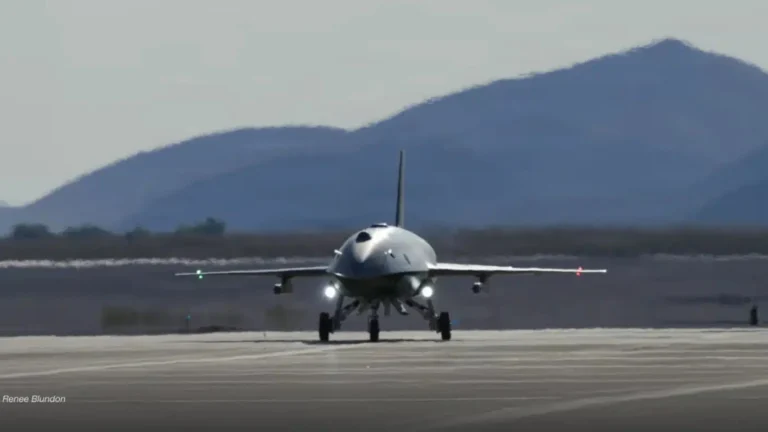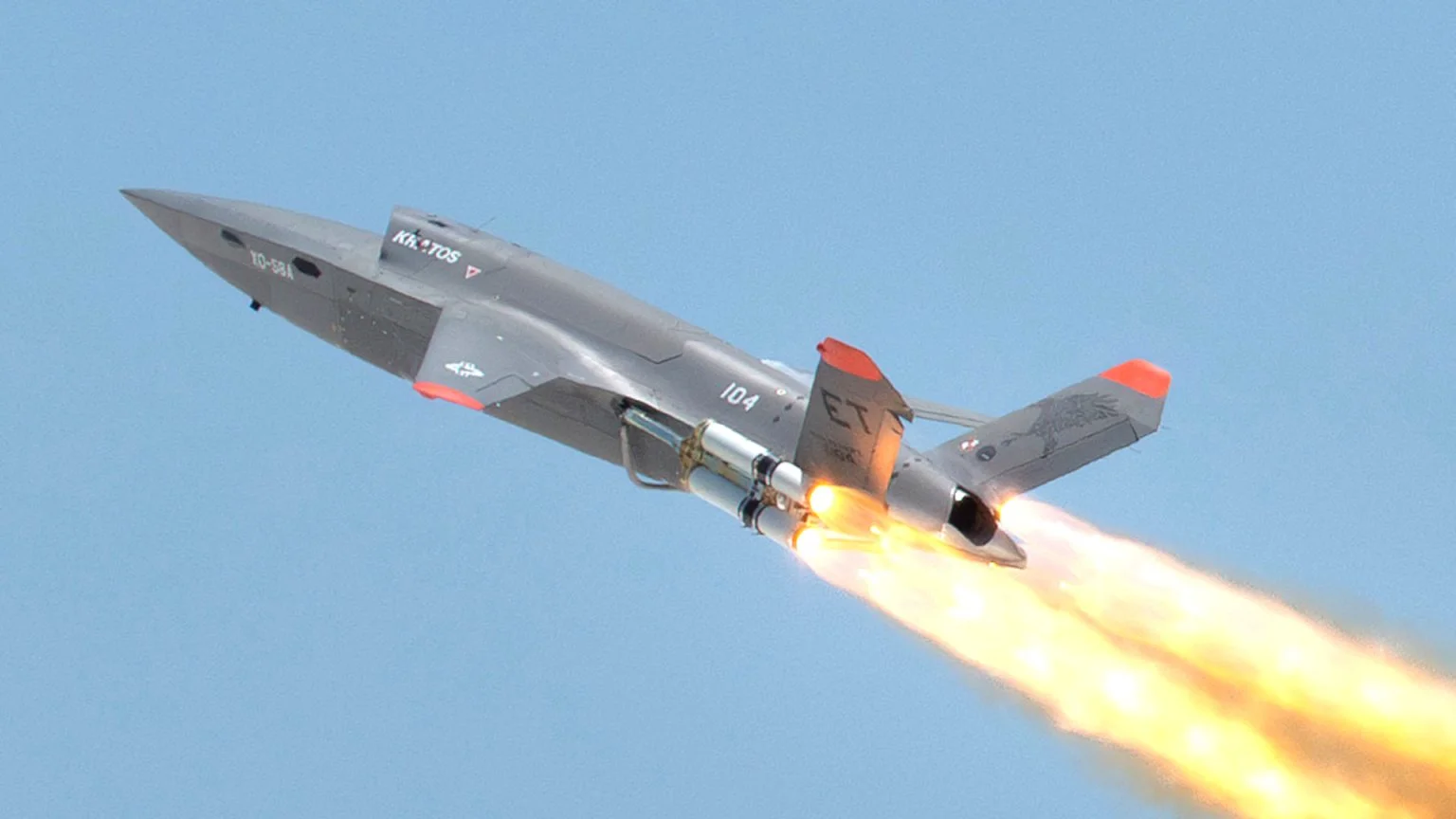
Kratos Defense & Security Solutions now puts the cost of a baseline Valkyrie drone at roughly $6 million to $8 million per airframe, depending on configuration and before mission systems are installed, President and CEO Eric DeMarco said on the company’s third quarter 2026 earnings call on November 5, 2026, the day it reported its results. Fully missionized aircraft cost more, he said, without giving a figure.
The disclosure comes as Collaborative Combat Aircraft (CCA) efforts shift from prototyping to procurement. The U.S. Air Force ordered General Atomics’ FQ-42A Vengeance and Anduril’s FQ-44A Fury into production under CCA Increment 1 on June 17, 2026. The U.S. Marine Corps is buying a Valkyrie derivative through its Marine Air-Ground Task Force Uncrewed Expeditionary Tactical Aircraft (MUX TACAIR) program, and Airbus flew a Europeanized variant, the U740, in October. DeMarco’s pitch was direct: unit cost will decide who builds CCAs in volume.
Valkyrie Drone Cost Rises Above Earlier Kratos Price Targets
The new range sits above earlier company guidance. DeMarco cited about $6.5 million per aircraft in 2023. A year later, DeMarco told The War Zone that rocket-assisted takeoff (RATO) versions cost $4 million to $6 million, with the low end tied to a 100-aircraft run. Kratos has long cited $2 million as a high-rate goal. The drivers of the increase have not been publicly detailed, and the new figure covers a white-tail airframe, delivered without customer mission equipment.
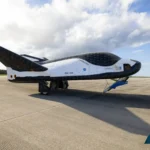
Kratos data gives the baseline Valkyrie a length of 30 feet, a 27-foot wingspan and a maximum launch weight of 6,500 pounds, with up to 600 pounds of stores in an internal bay and another 600 pounds on underwing stations. It cruises at Mach 0.72, reaches about Mach 0.85 and offers more than 3,000 nautical miles of range with a 45,000-foot ceiling. The internal bay can carry Small Diameter Bombs and has released a smaller drone in flight testing, giving a low-cost airframe both strike and launched-effects options.
Two production families now exist. RATO airframes, flown by the Air Force and used for the U740, have no landing gear, launch by rocket or runway trolley and recover by parachute. Conventional takeoff and landing (CTOL) airframes, the type the Marines are buying, carry retractable gear and can still launch by rocket. Kratos says it builds 150 to 200 jet drones a year across target and tactical lines, is assembling a second lot of 12 company-owned Valkyries and aims to produce 40 Valkyrie airframes annually by 2028.
Valkyrie Unit Cost Versus FQ-42A, FQ-44A and MQ-28 Ghost Bat
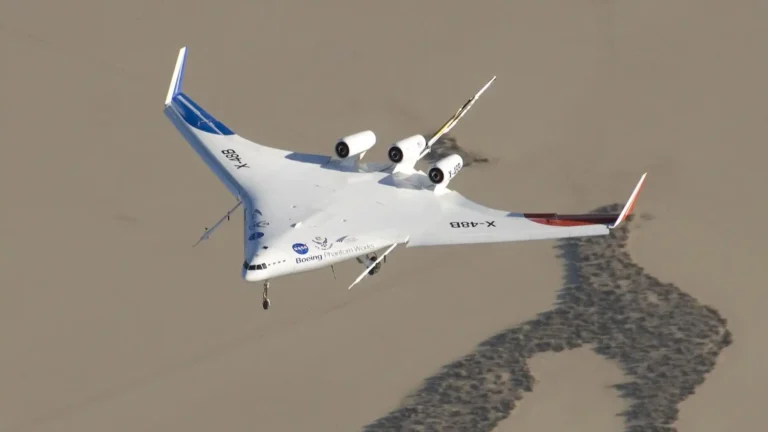
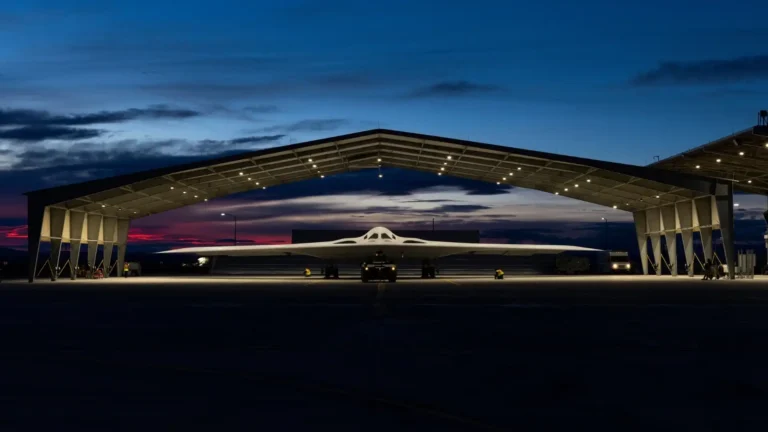
Even at the top of its range, Valkyrie sits at or below every published CCA cost benchmark. The Air Force targets a $20 million average unit cost for Increment 1 aircraft at full-rate production, and earlier estimates placed current designs between $20 million and $30 million. Anduril says Fury will undercut that target without giving a figure, and General Atomics has released no hard cost data for the FQ-42A. The Air Force has said it aims to hold at least 500 CCAs by 2032 and plans a follow-on Increment 2, which Kratos could enter.
Boeing’s MQ-28 Ghost Bat, in limited production for the Royal Australian Air Force, offers a third reference. Australian officials said in 2024 that Boeing aimed for a unit cost of about 10 percent of an F-35, roughly $8 million to $10 million at the time based on public F-35 pricing. How that target applies to the larger Block 3 Ghost Bat now in development is unknown.
The comparison has limits: the Valkyrie range excludes mission systems, while the Air Force target is an average for complete production aircraft. DeMarco argued that shared components between Kratos target and tactical drones give the company supply-chain leverage rivals cannot match. “Affordability is gonna win,” he said.
Marine Corps MUX TACAIR and Airbus U740 Anchor Valkyrie Demand
The Marine Corps is the anchor customer. In January 2026, it awarded a Northrop Grumman-led team a $231.5 million Other Transaction Agreement covering 24 months of MUX TACAIR work. Northrop serves as lead systems integrator, supplying its Prism open-architecture autonomy software and a multi-band sensor suite, while Kratos builds the airframes in Oklahoma City. The service wants deliverable CTOL prototypes, sometimes referred to as MQ-58B, at Marine Operational Test and Evaluation Squadron One (VMX-1) in Yuma, Arizona, by mid-2029, with electronic warfare as the initial mission.
In Europe, the U740 pairs the RATO airframe with the Airbus Multi-platform Autonomous Reconfigurable and Secure (MARS) mission system. Airbus announced the first flight on October 12, 2026, from an undisclosed site in northern Europe, reporting speeds up to Mach 0.8. A campaign with the first MARS increment is planned for mid-2027, followed by teamed flights with Eurofighters, toward a combat-ready system for the German Air Force by 2029. DeMarco cast State Department approval to fly abroad as an export advantage.
Kratos also disclosed a Valkyrie low-rate initial production award, withholding the buyer’s identity under customer restrictions. An unidentified international customer already received Valkyries in the third quarter of 2025, a $16.1 million shipment.
Analysis: The trend matters more than the headline number. Valkyrie has drifted from a $2 million aspiration to $6 million to $8 million unequipped, showing how quickly capability demands erode attritable pricing, yet the airframe still lands under half the Air Force’s $20 million Increment 1 target. For the Marine Corps and European buyers seeking mass on constrained budgets, the decisive figure is missionized cost per aircraft. No party has published it, leaving CCA cost claims hard to compare.
Several milestones will test those claims. Kratos has not disclosed the cause of the August 4, 2026, crash of a company-funded, test-configured Valkyrie after takeoff at the U.S. Army’s Dugway Proving Ground, Utah, first reported by The War Zone. The crash injured no one and went unmentioned on the call. Kratos expects more Valkyrie awards in 2027, though a continuing resolution in force since October 1, 2026, typically blocks production increases. MARS flights in mid-2027 and the 2029 delivery targets will show whether the price advantage survives full equipment.