Shield AI, now operating under the Shield brand, has signed a contract with Japan’s NIPPI Corporation for maintenance, repair and overhaul (MRO) and training support of the V-BAT uncrewed aircraft system in Japan, the companies announced in Tokyo on November 12, 2026, in a Shield press release. NIPPI becomes Shield’s primary in-country MRO and training provider and will deliver technical and maintenance support directly to the Japan Maritime Self-Defense Force (JMSDF). Shield describes it as the first domestic MRO agreement of its kind, with provisions for NIPPI to establish in-country technical capability for Group 3 uncrewed aircraft systems. Contract value, duration, and the number of aircraft covered were not disclosed.
The agreement closes a sustainment gap in a program that moved quickly from decision to delivery. Japan’s cabinet approved the purchase of six V-BAT systems on December 27, 2024, under a fiscal 2025 defense budget that earmarked 4 billion yen to give the JMSDF’s planned patrol vessels shipborne intelligence, surveillance and reconnaissance (ISR), and Shield confirmed the selection on January 22, 2025. The JMSDF announced the arrival of the first V-BATs at Yokosuka on December 9, 2025. Shield says localizing MRO will shorten repair timelines and reduce the logistical burden of returning components to the United States.
NIPPI Takes On V-BAT Maintenance and Training for the JMSDF
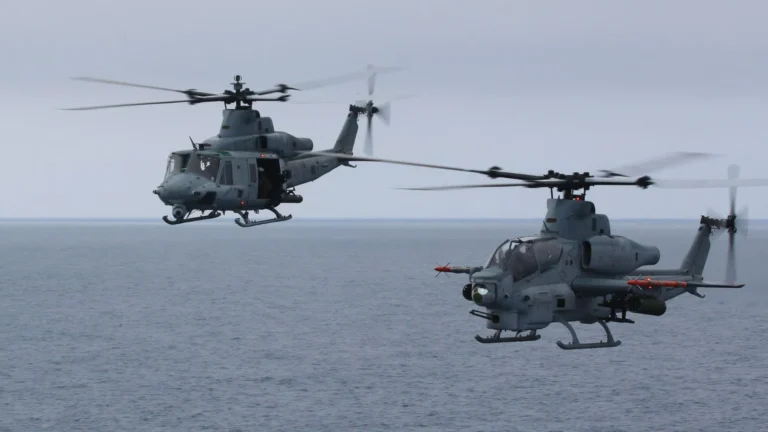
NIPPI, founded in 1934 and a wholly owned subsidiary of Kawasaki Heavy Industries, brings a long military sustainment record to the program. Operating from Yokohama and from facilities adjacent to Naval Air Facility Atsugi, it has been a prime depot-level maintenance contractor for US Navy and Marine Corps aircraft in Japan since the early 1950s and has worked on more than 14,000 US Navy and Marine Corps aircraft, including MH-60s, EA-18G Growlers, and MV-22 Ospreys. It also supports the Japan Self-Defense Forces (JSDF) and brings expertise in composite technology.
NIPPI will build in-country V-BAT maintenance capability and train a Japanese specialist workforce. Shield says the partnership has the potential to extend to future V-BAT programs across other forces. Sumisho Aero-Systems, the Japanese trading company that has facilitated V-BAT procurement for the JMSDF since the program began, remains Shield’s interface with Japanese stakeholders.
“For the Japan Self-Defense Forces, establishing a sustainable domestic maintenance and support capability is essential to ensuring equipment readiness,” said Kunihiro Asaji, project manager at NIPPI. Eugene “Sunshine” Choi, who leads Shield’s dedicated Tokyo office, framed the deal as a shift in posture: “This agreement reflects our commitment to be a long-term partner here, not just a supplier.”
V-BAT Specifications and the Sakura-Class Patrol Vessel Mission
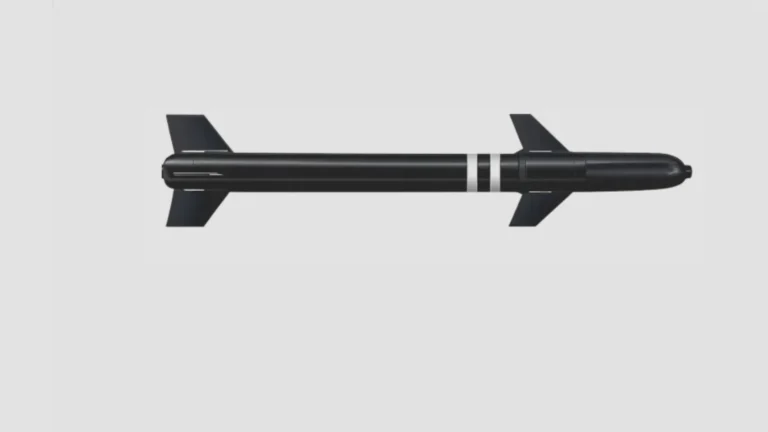
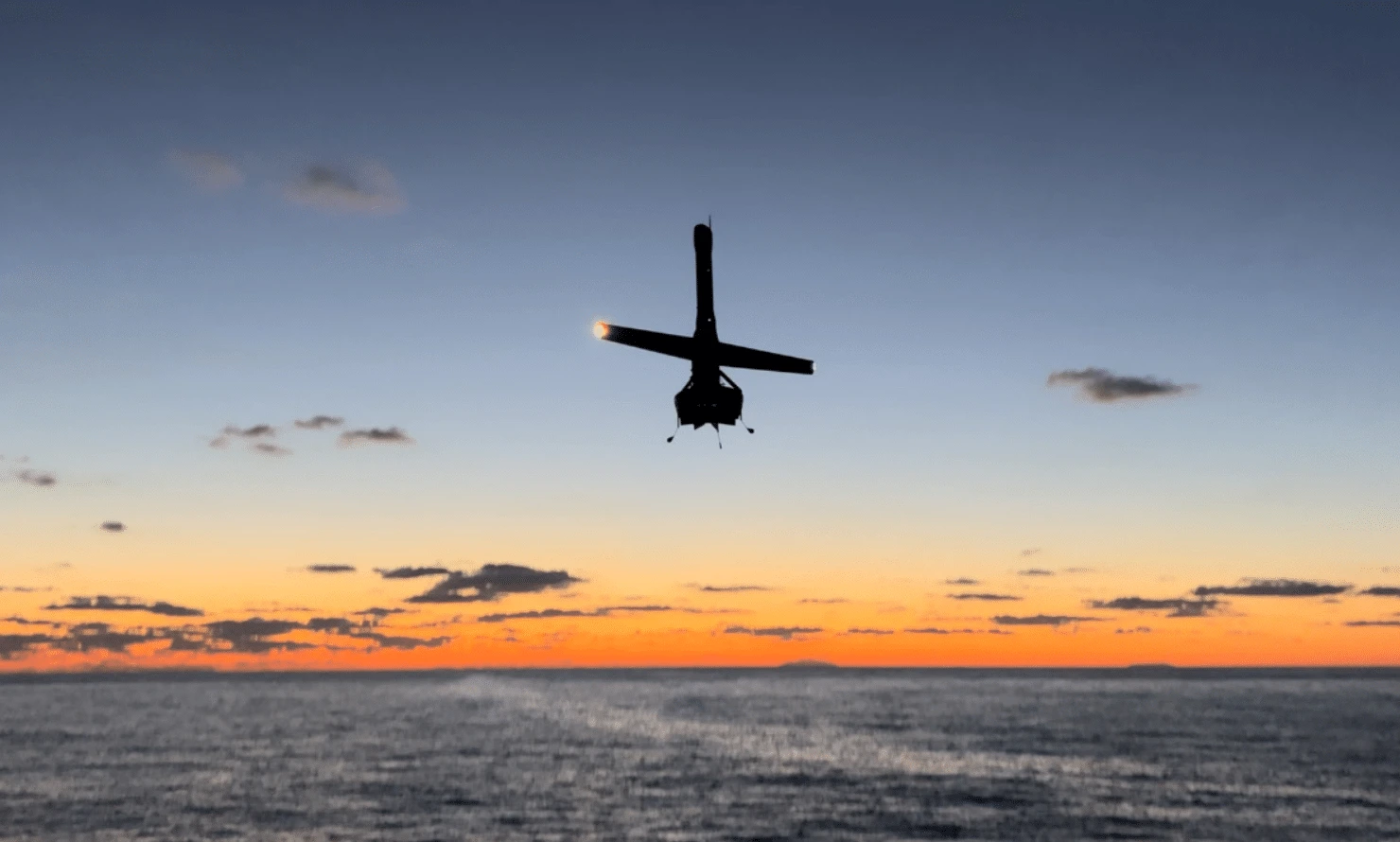
The V-BAT, designated MQ-35A in US service, is a single-engine tail-sitter that takes off and lands vertically before transitioning to wing-borne flight. Its enclosed ducted fan keeps exposed rotors off crowded decks. Manufacturer specifications list a 3.8 m wingspan, a 2.9 m height, a 75 kg maximum gross takeoff weight, and an 18.1 kg payload capacity. A heavy-fuel engine running on JP-5, the standard naval aviation fuel, delivers more than 12 hours of endurance with an electro-optical/infrared (EO/IR) payload. Shield lists a maximum range of 130 km with an MPU5 radio and 180 km with a C-band radio, with SATCOM available for beyond-line-of-sight operations.
For a navy, the recovery envelope matters as much as endurance. Shield rates the aircraft for unassisted landing in a 4.6 m by 4.6 m zone in winds up to 25 knots and aboard ships making 10 knots, putting organic ISR on hulls well below destroyer size. Payload options include synthetic aperture radar, AIS receivers, and the ViDAR passive wide-area optical search system, rated at 3,140 square nautical miles per hour. The US Navy and US Coast Guard also operate the type.
In Japanese service, V-BAT is tied to the Sakura-class patrol vessels, a new 1,900-ton type whose lead ship is scheduled for commissioning in January 2027. JMSDF officials have also said the aircraft is under consideration for the upgraded Mogami-class frigate, known as New FFM. Salt spray and deck handling loads make a nearby depot a readiness factor, not a convenience.
Analysis: The NIPPI deal shows Tokyo treating small UAS as a sustained fleet capability rather than an off-the-shelf purchase. Group 3 drones are cheap to buy but maintenance-intensive to fly, and a transpacific repair chain would cap sortie rates as surveillance demand grows in the East China Sea. Placing the work with a Kawasaki subsidiary that already maintains US Navy aircraft near Atsugi also creates a potential sustainment node for a type US forces fly in the same theater. Support for US units falls outside the announced scope.
Open questions include when NIPPI reaches initial MRO capability and how many aircraft the JMSDF will ultimately field. Near-term markers include the commissioning of Sakura in January 2027, final fiscal 2027 defense budget figures, and a decision on the New FFM aviation fit.