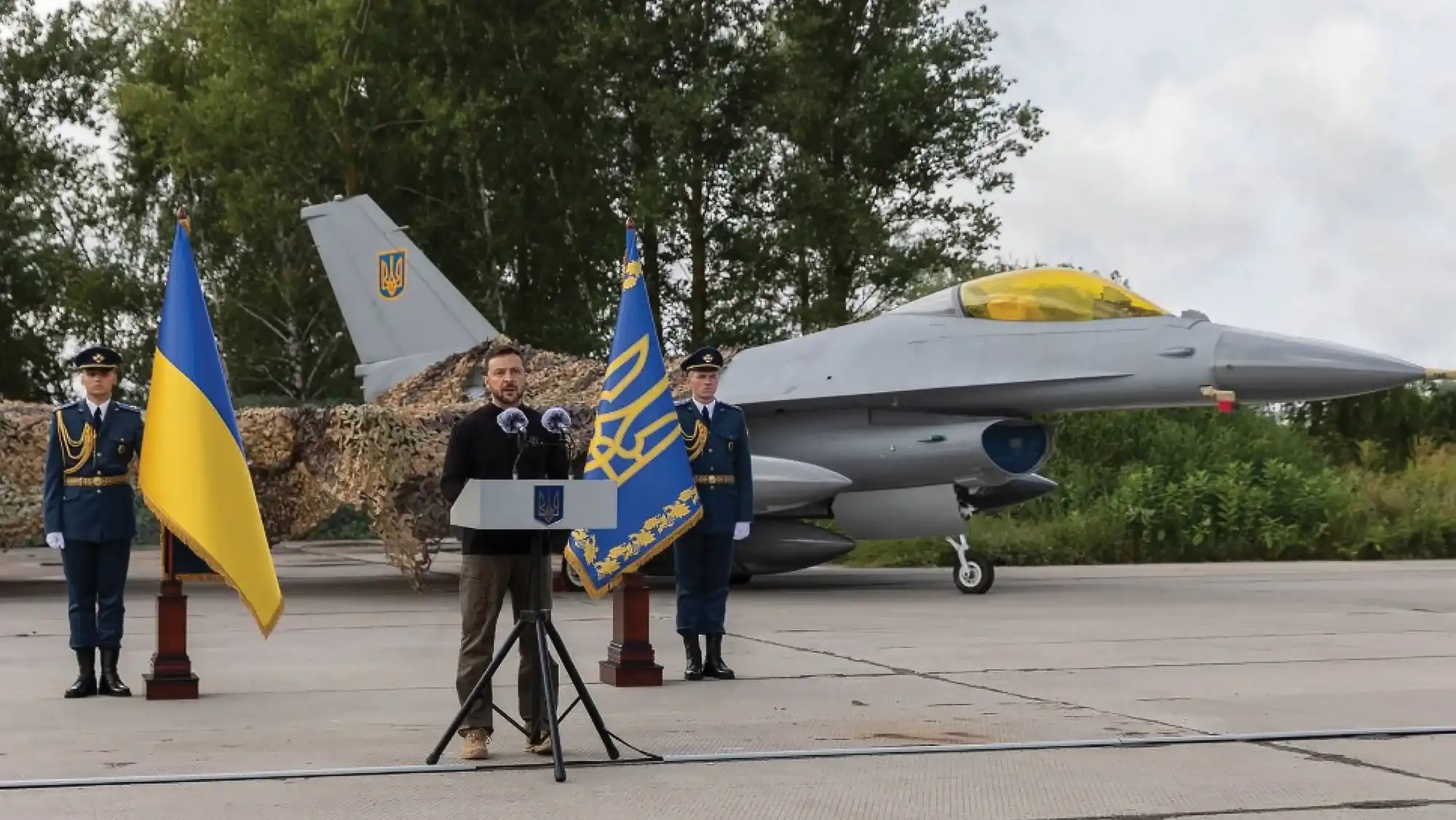
Ukrainian President Volodymyr Zelenskyy convened the Staff of the Supreme Commander-in-Chief on November 23, 2026, to plan Ukraine’s defense against Russian jet-powered Shahed-type drones in 2026 and 2027. The planning takes Russia’s production plans into account. Zelenskyy said countering the threat requires sanctions and stronger export controls, alongside Ukraine’s own means of shooting the drones down: more fighter aircraft and contracts with Ukrainian manufacturers of interceptor drones.
The meeting reflects a shift in the composition of Russia’s long-range strike campaign. Ukraine’s Defence Intelligence (HUR) estimated in August that Russian industry was producing about 3,000 jet-powered Geran-4 and Geran-5 drones per month, ahead of roughly 2,800 piston-engined Geran-2s. By late October, HUR put jet-drone output at 4,000 per month. According to the presidential office, intelligence briefed the Staff on Russian production volumes, the schemes Moscow uses to obtain components, and its deployment plans.
Jet-Powered Shahed Drones: How Geran-4 and Geran-5 Outpace Defenses
Russia’s jet-powered family descends from Iran’s Shahed-238. The first Russian variant, the Geran-3, kept the Geran-2 airframe but replaced its piston engine with a Chinese Telefly JT80 turbojet, cruising at around 280 to 330 km/h, according to Ukrainian defense analysts. HUR has reported that Russia has since halted Geran-3 production in favor of the Geran-4 and Geran-5.
The Geran-4 retains the delta-wing Shahed layout but adds a more powerful engine, with Ukrainian intelligence putting the Geran-4 and Geran-5 at 400 to 500 km/h. In August, HUR said Russia remained wholly dependent on Chinese turbojet engines for both models; it has since reported that Russia has begun localizing production of the engines used in the Geran-4.
The Geran-5 abandons the Shahed configuration and resembles a small cruise missile. HUR data give a maximum takeoff weight of 850 kg, a 90 kg warhead, endurance of about two hours, and a declared range of roughly 1,000 km. Its original TF-TJ2000A engine produces about 200 kgf of thrust. HUR first listed cruising speed at 450 to 600 km/h before revising it to 400 to 450 km/h. A newer K5-K variant uses a TRD-200 turbojet, carries a TBBCh-90 thermobaric warhead, and can reportedly accelerate toward 1,000 km/h during maneuvers.
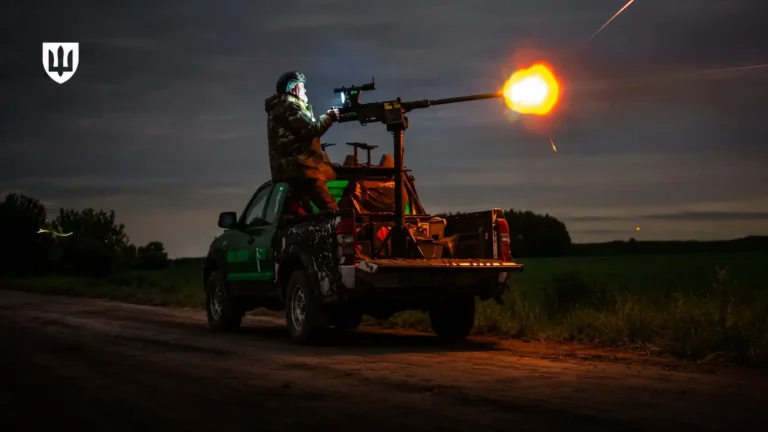
The operational consequence is speed relative to the defender. Piston-engined Geran-2s fly at roughly 150 to 200 km/h, within reach of mobile fire groups and electric interceptor drones. Most Ukrainian electric interceptors top out at 300 to 400 km/h, leaving little or no closure margin against a Geran-5 in its terminal phase.
F-16s, Gripens and Interceptor Contracts in Kyiv’s Response
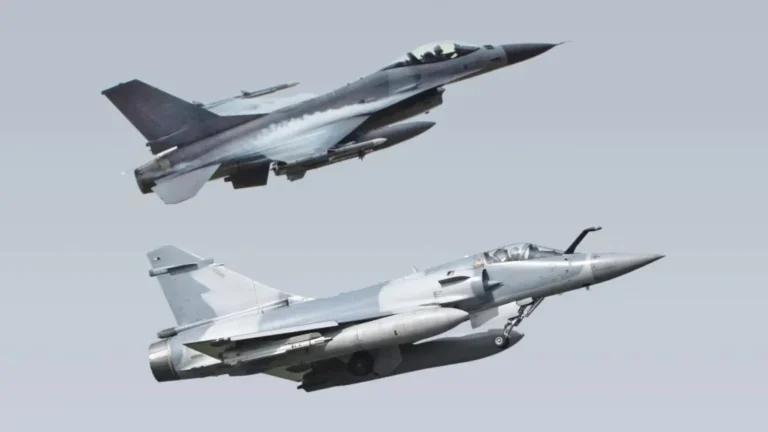
Zelenskyy said clear tasks had been assigned to national leaders, foreign ministries and defense ministries to increase the number of aircraft available to Ukraine, and that the country needs more F-16s. Fighters already carry much of the jet-drone mission: Zelenskyy has said the Air Force accounts for 55 to 60 percent of all jet-powered Shaheds shot down. Ukrainian F-16s have at times resorted to their 20 mm cannons, which the Air Force has said poses major risks to the aircraft, while missiles remain costly: the US Air Force prices the AIM-120 at about $386,000 per unit, an exchange rate that mass raids make unsustainable. Denmark has delivered 50,000 rounds of F-16 ammunition for counter-drone missions, according to Ukraine’s Ministry of Defence.
The president said more Gripens are expected in Ukraine in January. Sweden announced on May 28, 2026, that it would donate up to 16 Saab JAS 39 Gripen C/D fighters from Swedish Air Force stocks, tied to a Ukrainian purchase of newer Gripen E aircraft. A June 30 contract covers 16 Gripen E jets, with deliveries from 2029. On November 10, Zelenskyy had placed the first C/D arrivals in January or February, possibly February. Neither government has disclosed the size of the first batch.
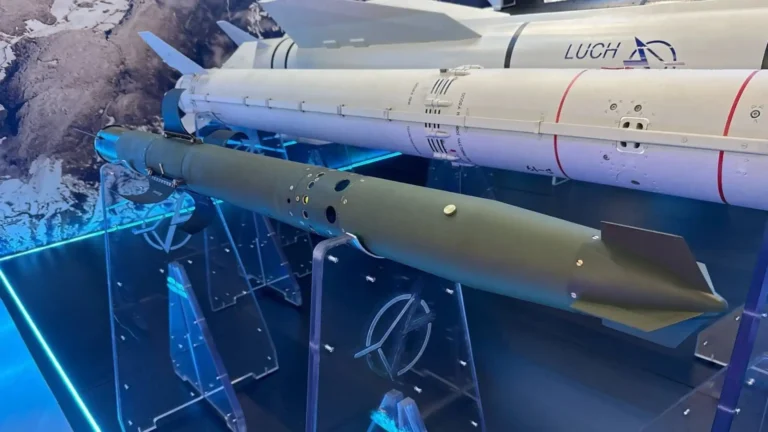
On the ground-based side, Zelenskyy said Ukrainian manufacturers already offer more interceptors effective against jet-powered drones and that Kyiv will sign contracts for as many as possible. In October, Brave1 defense cluster head Andrii Hrytseniuk said seven battle-tested interceptor types are already used against jet drones, 22 teams are developing high-speed interceptors, 12 of them with state funding through Brave1, and contracted interceptors have long since exceeded 1,000. Examples include the NOCTIS Zirka, filmed downing a Geran-5 at about 400 km/h and 3,500 m, and the Wild Hornets Sting S, which Ukraine’s 1020th Anti-Aircraft Missile Regiment has used to down a Geran-5.
Analysis: The meeting frames jet-drone defense as an industrial contest as much as an air-defense problem. Russia retooled Alabuga toward jet variants within months, yet its engine supply still relies largely on Chinese suppliers, which explains why Zelenskyy paired aircraft and interceptors with a call for “real export controls” stronger than those some countries now apply. Fighters buy time at a high cost per kill. The sustainable answer is a cheap, fast interceptor built at a rate that matches 4,000 jet drones a month, and Ukraine has not yet shown it can reach that rate. European NATO members studying Russian output face the same speed-and-volume equation.
The next milestones are the first Gripen C/D deliveries in early 2027, the volume of interceptor contracts Kyiv signs in the coming weeks, and whether partners act on export-control requests targeting Chinese engine supply. On October 6, Deputy Air Force Commander Col. Yurii Cherevashenko said interceptors for jet drones would arrive in the required quantities no earlier than late November. The Russian production plans briefed to the Staff have not been made public.