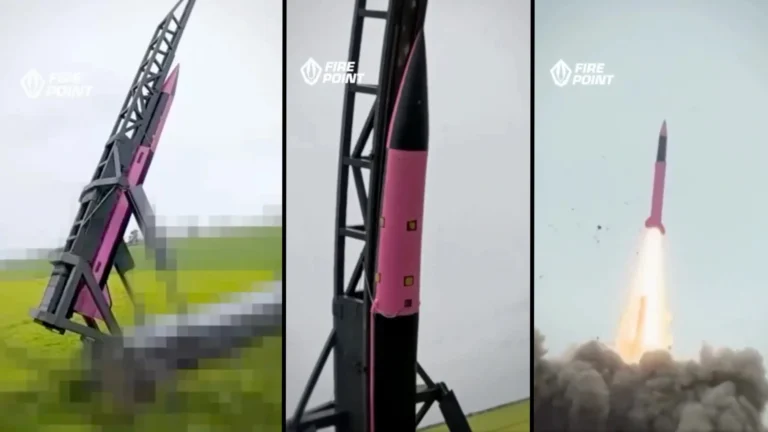
The Pentagon wants Western military support for Ukraine concentrated on holding the front line and on related mid-range strikes, Under Secretary of War for Policy Elbridge Colby wrote on November 22, 2026, in a nine-post thread on X. The statement left one issue untouched: a Starshield speed cap of 161 km/h that Kyiv says is degrading the drone operations Washington claims to prioritize.
Colby framed the position as part of the transition to what he calls NATO 3.0, with Europe in the lead on Ukraine. Support focused on the front and mid-range strikes, he wrote, is “the most effective way to strengthen Ukraine’s resilient denial defense and set the conditions for a durable peace.” The thread repeats the case he made on November 17 at the Ukraine Defense Contact Group meeting at NATO headquarters in Brussels, where he told Kyiv’s backers, AP reported, that strikes deep inside Russia had not been effective in driving an end to the war or blunting Russian advances. German Defense Minister Boris Pistorius called that critique “quite a stupid thing,” and British Defense Secretary Wes Streeting, who co-chaired the meeting, also rejected it, saying, “It’s not for us to tell Ukraine how to fight their war.” Five days later, Colby wrote that it is “natural and normal for allies to have differing views on strategy, such as the effectiveness of deep strikes.”
Starshield Speed Cap Hits the Mid-Range Strike Envelope
Starshield is the government and military version of SpaceX’s Starlink low Earth orbit constellation. Ukrainian forces use it, among other things, to control mid-range strike drones. That matters most in the middle strike band, which Ukraine’s Defense Ministry defines as targets roughly 30 to 200 km away, beyond the front line but short of the deep strike campaign.
On November 12, President Volodymyr Zelenskyy said Ukrainian units had recorded for several days a systemic Starshield limit of 161 km/h (100 mph) along the entire front line and over Russian-occupied territory. Terminals moving faster lose their satellite connection. Sources in Ukraine’s Defense Ministry told UNITED24 Media on November 13 that no such limit had been recorded in areas under Kyiv’s control.
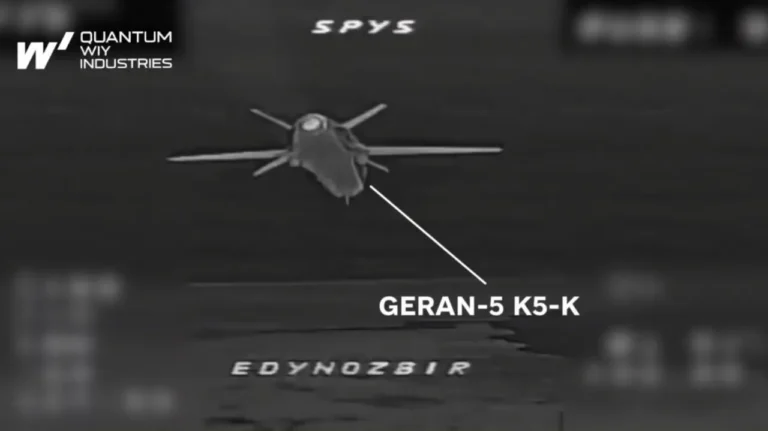
The cap affects two mission sets. Mid-range attack drones can lose their link during combat sorties, and the Foundation for Defense of Democracies (FDD), a Washington think tank, wrote that the cap hampers mid-range strikes on moving targets. Interceptor drones suffer more acutely: they must chase Russian jet-powered attack drones, and Ukraine’s military intelligence (HUR) puts the turbojet Geran-3 at 300 to 370 km/h. Zelenskyy said some Russian drones have already reached their targets because interceptors could not fly fast enough while staying connected.
Deep strikes are largely unaffected. FDD noted that the United States already blocks Starshield and Starlink service over Russian territory, so long-range drones never relied on the link. A community note appended to Colby’s thread made the same point.
October Precedent and SpaceX Denial Leave the November Cap Unexplained
The November restriction is the second such episode since mid-October. A similar cap appeared on October 14, and on October 19 Zelenskyy said equipment was losing its connection at 130 to 161 km/h depending on the sector of the front. On October 24, Defense Minister Yevhenii Khmara told Ukrainian outlet Militarnyi that the link was again working at speeds above 400 km/h. SpaceX owner Elon Musk then wrote on X that the company had “simply enforced” its terms of service when they were bypassed, after earlier saying that limits on Starshield are “decided by the US military and ultimately POTUS.” The limit had returned by mid-November.
SpaceX told Axios there had been “no change.” A day later, Zelenskyy told journalists, according to Interfax-Ukraine, that SpaceX had informed Ukraine’s Defense Ministry it was not restricting service and that the problem was technical. He said Kyiv did not see it that way. Who ordered the November cap, and whether it reflects a policy decision or a configuration issue, remains publicly unconfirmed.
Asked about the restrictions after the Brussels meeting, Colby declined to comment, AP reported. He said Washington was “very focused on supporting Ukraine’s ability to defend itself, and these kind of midrange strikes,” and was “taking steps that are consistent with that policy.” His November 22 thread did not mention Starshield, and Militarnyi reported on November 23 that the restrictions remained unresolved.
Analysis: The Pentagon’s stated priority and the Starshield speed cap pull in opposite directions. The 30 to 200 km band is exactly where a satellite datalink adds the most value, because ground relays run out of reach and targets move. Restricting the link there, while deep strikes run without it, narrows the mission set Washington says it wants Ukraine to emphasize. The episode also exposes a structural dependency for Europe: allies taking the lead on Ukraine can fund munitions and drones, but the satellite link that guides many mid-range drones is run by a US company. The EU’s IRIS² constellation, under an implementation agreement signed in August 2026, is due to start services from 2029 and to be operational by 2030.
Colby wrote that US officials had held multiple conversations with allies on that approach in the past week and planned more. The next decision points are whether the Pentagon addresses the Starshield cap publicly, whether Ukrainian telemetry shows the limit lifted as it was in October, and whether European capitals press Washington on satellite access at the next Ukraine Defense Contact Group session.