Rheinmetall and Swiss shipping group MSC have won the auction for Romania’s Mangalia shipyard on the Black Sea coast, the German defense group announced on October 19, 2026. The partners will jointly pay around €138 million and plan to turn the bankrupt yard, located south of Constanța, into a dual-use site for civil and military shipbuilding. Closing is expected within a few weeks.
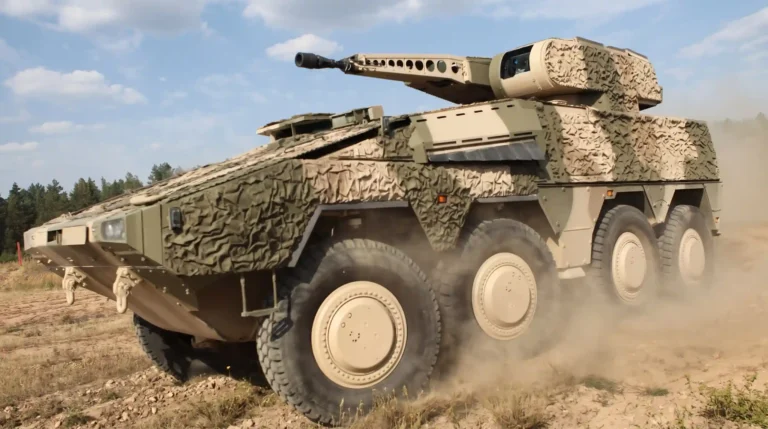
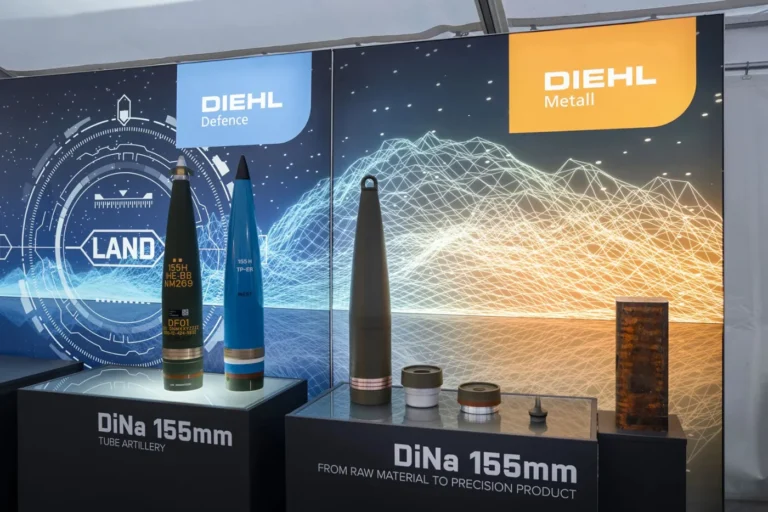
The acquisition gives Rheinmetall Naval Systems a production base for four Romanian Navy vessels ordered on May 29, 2026: two 96-meter offshore patrol vessels (OPVs) and two 43-meter diver support vessels. That order, worth €920 million and financed through the European Union’s Security Action for Europe (SAFE) loan instrument, sits inside a €5.7 billion package that also covers 298 Lynx combat vehicles, Skyranger air defense systems, and medium-caliber ammunition. The four hulls are to be built at Mangalia, which makes the yard’s revival central to the naval program.
Inside the Mangalia Shipyard Deal: Price, Partners and Dual-Use Plan
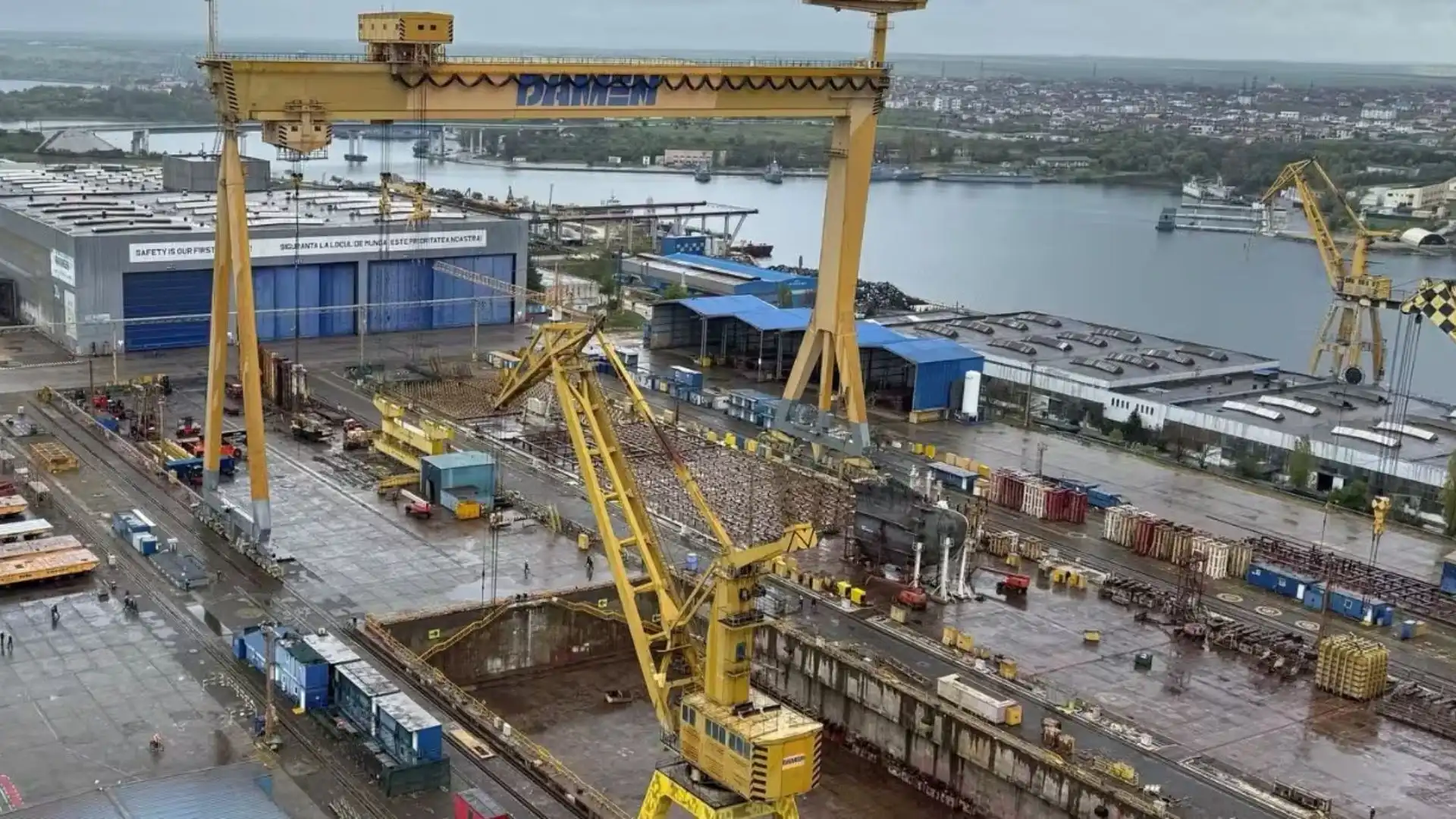
Rheinmetall Real Estate Romania won the fifth auction for the assets of Damen Shipyards Mangalia, held on October 9 by court-appointed liquidator CITR, with a bid of €138.03 million excluding VAT. The price equals about 75 percent of the initial €184 million valuation; four earlier rounds drew no bidder. The sale covers the yard’s assets only: the Romanian state’s 51 percent stake in the company was not sold, and the land remains state property, so the buyers must still secure a right to use it. Rheinmetall has not disclosed the equity split between the partners.
Publicly available data put the yard, one of the largest on the Black Sea, at close to 100 hectares, with three graving docks totaling 982 meters in length and 48 to 60 meters in width, the largest measuring 360 by 60 meters, plus about 1.55 kilometers of quays. Founded in 1976 as the 2 Mai shipyard, the site passed to a Daewoo joint venture in 1997 and to Dutch group Damen in 2018, under an arrangement that gave the Romanian state 51 percent and Damen 49 percent with operational control. After a dispute between Damen and the Romanian state, the company entered insolvency in June 2024 and was declared bankrupt in April 2026. Its more than 1,000 employees have since been laid off.
Rheinmetall intends to subdivide the site into separate sectors and security zones so that naval and commercial work can run in parallel. MSC, which asked the Romanian government in April 2025 to take over the yard’s management, joins Rheinmetall on the civil side. Tim Wagner, CEO of the Naval Systems division, said the group plans “to expand and upgrade the shipyard comprehensively,” improving production conditions and adapting capacity to future requirements. No investment figure accompanied the announcement.
Two 96-Meter OPVs and the MMPV 90 Design Behind Them
Rheinmetall has not released a configuration for the Romanian OPVs. Reporting in May 2026 described two units configured as light corvettes based on the 90-meter Multipurpose Modular Patrol Vessel (MMPV 90) that NVL, now Rheinmetall Naval Systems, designed for Bulgaria. Romania’s updated SAFE list of April 28, 2026, allocated €836 million to the two OPVs and €84 million to the diver support vessels, up from €757 million in January, an increase reportedly linked to planned investment at Mangalia. Romania’s defense minister has said the ships will differ significantly from the Bulgarian variant, with more advanced electronics and weapons.
Bulgaria’s MMPV 90 measures 90 meters with a 13.5-meter beam and displaces about 2,300 tonnes. Its weapons fit combines a Leonardo 76 mm gun, RBS15 anti-ship missiles, VL MICA surface-to-air missiles, an Oerlikon Millennium 35 mm close-in weapon system, and torpedoes fired from two twin launchers, integrated by a Saab combat management system, with a hangar for an AS565 Panther helicopter. The design descends from the NVL 80-meter OPV that underpins Australia’s Arafura class. Bulgaria’s hulls were subcontracted to MTG Dolphin in Varna; Mangalia gives Rheinmetall its own yard in the same theater.
The Romanian hulls are 6 meters longer than the Bulgarian design, which points to added internal volume for mission modules or sensors, although neither Bucharest nor Rheinmetall has confirmed armament, sensors, or propulsion. The two 43-meter diver support vessels address a narrower but pressing gap: mine clearance. Drifting mines have threatened Romanian waters since 2022, and the Musca-class minesweeper Lieutenant Dimitrie Nicolescu was damaged by one on September 8, 2022.
Analysis: Mangalia completes a Romanian footprint for Rheinmetall spanning land systems, ammunition, and ships: Rheinmetall Automecanica in Mediaș, a planned propellant plant at Victoria worth over €500 million, in a joint venture with Romarm subsidiary Pirochim Victoria, and now a large-dock Black Sea yard. For NATO, the strategic value lies less in the four hulls than in the docks. The 1936 Montreux Convention caps the tonnage and duration of deployments by non-Black Sea navies, so allied presence in the basin depends on littoral fleets and on in-theater build and repair capacity. A yard with 360-meter docks under Western industrial management restores sustainment depth on the eastern flank that has been missing since Damen’s exit. With over half of production under the €5.7 billion package slated for Romania or local companies, SAFE is shaping industrial geography as much as procurement.
The open questions are the scale of Rheinmetall’s capital program, the pace of rehiring at a yard with no workforce, the final equity split with MSC, the land-use terms with the state, and the OPV configuration. Deliveries under the broader Romanian package are scheduled from 2028 to 2030, leaving limited margin for a yard that must rebuild its labor force before it cuts steel on the first hull.