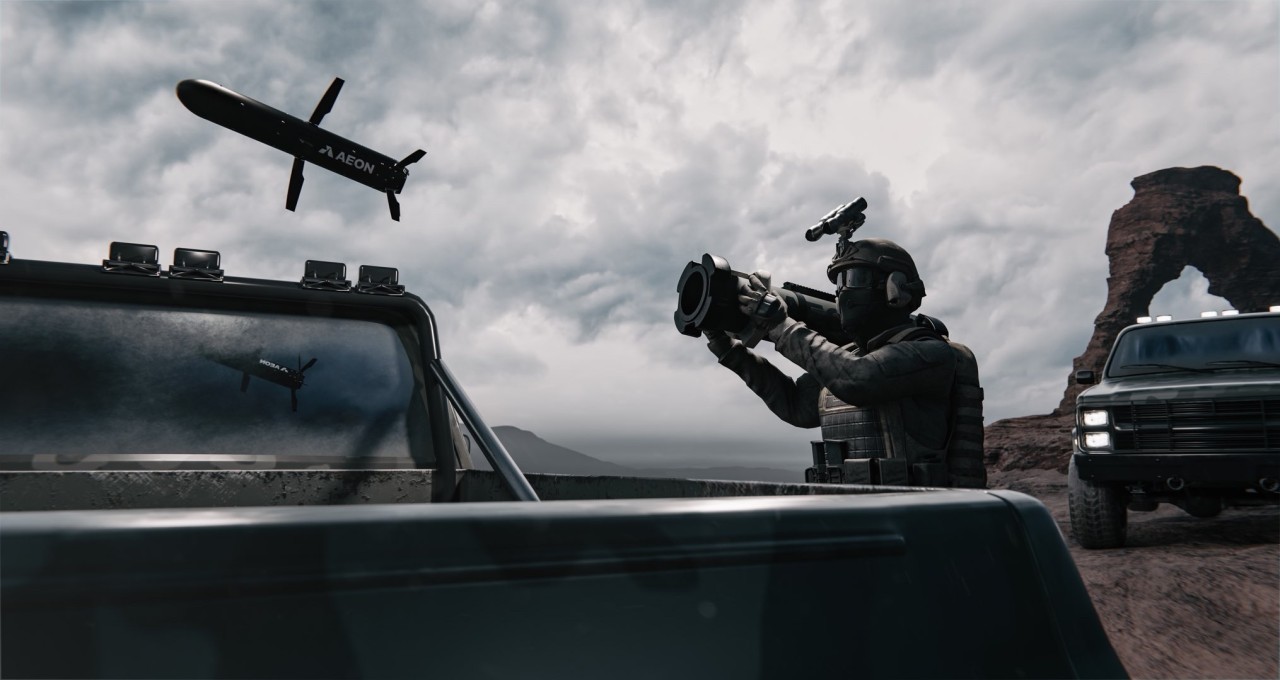
US Special Operations Command (SOCOM) has awarded Aeon Industrial a $13.8 million low-rate initial production (LRIP) contract for a limited run of the shoulder-fired configuration of its Zeus missile system, the Austin, Texas-based company told Breaking Defense this week. Aeon expects to deliver fewer than 100 weapons to SOCOM over the next 12 months.
The award is the first US purchase of the shoulder-fired Zeus, covering both the missile and the tube it launches from. According to Aeon, the contract spans enhancement, testing, LRIP and delivery. US light forces have long operated at two ends of a spectrum: the unguided M72 Light Anti-Tank Weapon (LAW), in service since the 1960s, and the far more expensive FGM-148 Javelin. Aeon is positioning Zeus as a lower-cost guided option between the two. SOCOM did not disclose order quantities, test plans or whether other vendors hold similar contracts.
Zeus Missile Design: Modular Seekers, Warheads and Launch Options
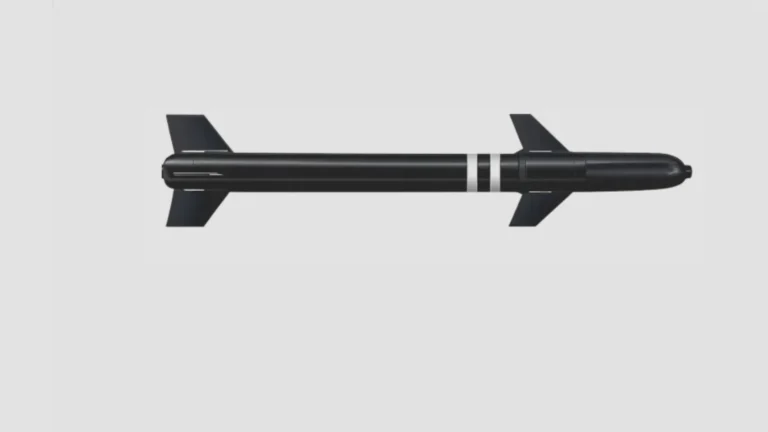
Aeon says the shoulder-fired Zeus weighs about 20 pounds and measures roughly 30 inches long, a footprint designed primarily for confined and urban environments. Publicly available specifications shown by the company at the Association of the US Army (AUSA) 2026 exposition in October indicate an engagement envelope of 100 meters to 5 kilometers and a missile weight of around 10 kg. By comparison, a Javelin weighs more than 22 kg with its command launch unit, while the M72 engages point targets at roughly 200 meters. If the 5-kilometer figure holds in the shoulder-fired configuration, a dismounted team would gain standoff beyond Javelin’s published range at less than half the carried weight.
The defining feature is modularity. Operators can swap warheads and seekers in the field without tools, configuring the round against armored vehicles, personnel, uncrewed aircraft systems (UAS) or other threats. The weapon is software-defined: targeting and fire control run through the Android Tactical Assault Kit (ATAK), threat identification and tracking rely on Aeon’s in-house ODIN software, and new capabilities can be added through software updates. A removable control collar lets the same round launch from the shoulder, a vehicle, a surface vessel or a drone without reconfiguration. For special operations teams, one munition family could replace several single-purpose weapons, easing the logistics burden on small units. Aeon has not published seeker types, warhead weights or guidance modes, and none of the range figures have been independently verified.
How Aeon Plans to Scale Zeus Production for Special Operators
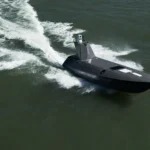
Aeon says the Army and other Department of Defense partners have conducted extensive development and live-fire testing of Zeus. The company has reported all-up live-fire tests for Army Transformation and Training Command (T2COM), and work with the Army DEVCOM Armaments Center and Aviation and Missile Center on the electronic safe and arm device and fuze. Zeus currently carries a warhead from Global Technical Systems (GTS), tested at the Defense Munitions Proving Ground in Alabama. In September 2025, Aeon signed a memorandum of understanding with X-Bow Systems to explore production of the weapon’s solid rocket motor, and in early 2026 a Zeus was fired from a Moog turret mounted on an experimental unmanned ground vehicle. Aeon also reports separate contracts to integrate Zeus onto unmanned surface vessels and for counter-drone applications.
The company is vertically integrated, producing its own propellant, rocket motors, fuzes and flight computers, and is building a 140,000-square-foot manufacturing facility. Aeon has cited a target price of roughly $50,000 per missile and capacity above 10,000 units per year, figures that do not yet reflect demonstrated output. “The program is focused on qualifying and delivering a production-capable system that meets special operations requirements,” Aeon CEO Naweed Tahmas said.
Analysis: The contract matters less for its dollar value than for the pathway it opens. SOCOM’s rapid acquisition authorities allow it to buy and evaluate weapons faster than the services, and a successful LRIP run would hand the Army an operator-validated data set as it weighs options for its light infantry arsenal. The deal is also a test of whether a new entrant can move a munition from prototype to qualified production, the step where most nontraditional suppliers stall. Cost is the variable to watch: at $50,000 a round, units could expend guided missiles against drones and light vehicles that would never justify a Javelin.
Deliveries are scheduled over the next year, followed by operator evaluations in operationally representative environments that will feed refinements to the user interface, handling and capabilities. Key unknowns remain the unit price under this contract, the qualification milestones SOCOM will apply and whether the Army moves toward a formal program of record for Zeus.