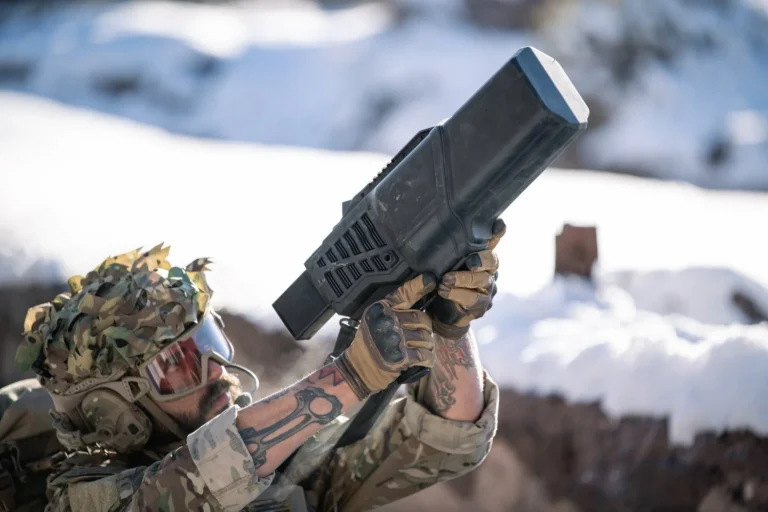
AeroVironment, Inc. (AV) announced on November 11, 2026, a $405 million international direct commercial sales (DCS) order for its LOCUST X3 high-energy laser (HEL) weapon systems, expanding its counter-unmanned aircraft systems (C-UAS) footprint in the Middle East. The Arlington, Virginia-based company did not name the customer, the number of systems, or the delivery schedule.
The order is the third major LOCUST contract in ten weeks. On September 2, 2026, the U.S. Army’s Portfolio Acquisition Executive for Fires (PAE Fires) awarded AV a $464.8 million Other Transaction Agreement under the Enduring-High Energy Laser (E-HEL) program, which the company describes as the first production contract for a high-energy laser weapon in U.S. history. On September 8, AV disclosed its first international LOCUST order, valued at more than $50 million, also for an unnamed buyer. The new award arrives as Shahed-series one-way attack drones continue to strike energy facilities, airports, and military sites across the region.
LOCUST X3 Laser Architecture: 30 kW Power and AI Fire Control
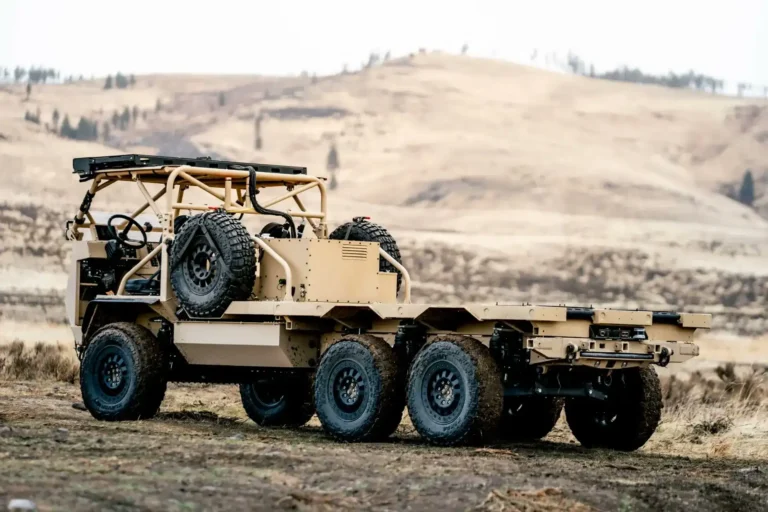
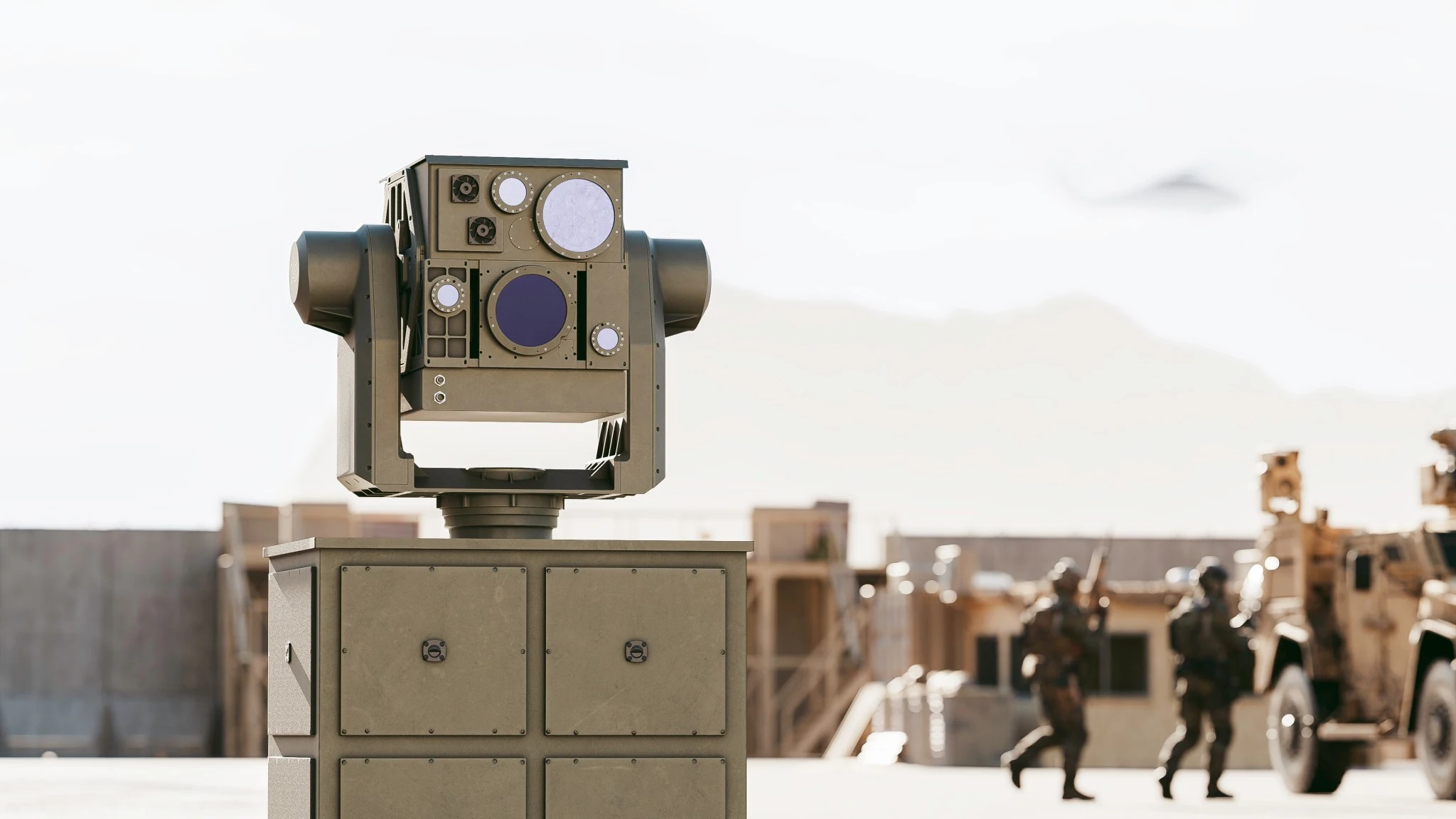
LOCUST X3 is the third generation of a laser family AV acquired with its 2025 purchase of BlueHalo. The company unveiled it on March 24, 2026, at the Association of the United States Army (AUSA) Global Force symposium in Huntsville, Alabama. Company data rate the weapon in a 20 to 35+ kW power class, and the configuration selected for E-HEL delivers 30 kW. The previous generation operated at 20 kW on the Army Multi-Purpose High Energy Laser (AMP-HEL) prototypes mounted on the Joint Light Tactical Vehicle (JLTV), and LOCUST was earlier fielded under the Palletized High Energy Laser (P-HEL) program.
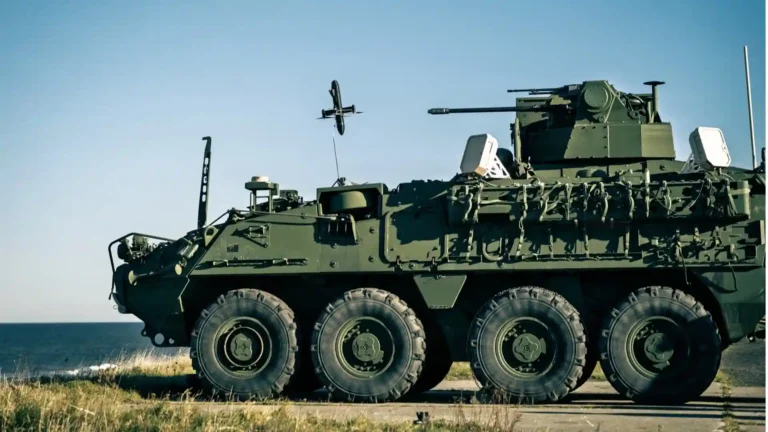
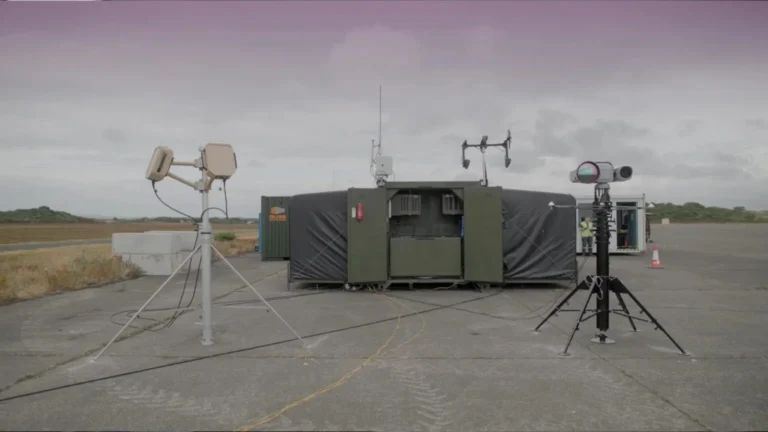
The 50 percent power increase is operationally relevant. Required dwell time on a target falls as delivered energy rises, which shortens each engagement and lets the beam director cycle to the next threat faster during a saturation raid. Fire control runs through AV_Halo PINPOINT, the company’s precision fire control software, which automates detection, tracking, and engagement. AV offers fixed, semi-fixed, mobile, containerized, and maritime configurations built to Modular Open Systems Approach (MOSA) standards, and earlier 20 kW LOCUST units have been integrated on the JLTV and the Infantry Squad Vehicle (ISV).
Key parameters remain undisclosed, including maximum engagement range, beam director aperture, and the configuration the Middle East customer selected. Dust, haze, and high humidity, common across the region, attenuate laser energy and lengthen dwell time, a constraint buyers will weigh against published power figures.
Cost per Shot Versus Interceptors: The Shahed Defense Equation
AV puts the cost of a LOCUST X3 engagement below $5 per shot, a company figure not yet independently verified. The benchmark is the interceptor inventory regional air defenses have expended against drones. Missile interceptors cost from hundreds of thousands to millions of dollars per round, and PAC-3 and Terminal High Altitude Area Defense (THAAD) interceptors run from roughly $4 million to $12 million each. Open-source estimates place the Shahed-136 in the tens of thousands of dollars, an exchange ratio that favors the attacker whenever a missile is the only answer.
Publicly available specifications indicate a Shahed-136 takeoff weight of roughly 200 kg, placing it in Group 3 of the Department of Defense UAS classification, which covers aircraft under 1,320 lb operating below 18,000 ft. AV markets LOCUST X3 against Group 1 to 3 targets, placing the Shahed at the upper end of its threat envelope. The laser’s magazine is limited by electrical power and thermal management rather than stored rounds, which removes ammunition resupply from the sustainment chain at remote sites.
The laser does not replace kinetic layers. It engages one target at a time, requires line of sight, and is not designed against cruise or ballistic missiles. AV positions it alongside radar, C2, and kinetic effectors to absorb high-volume, low-cost drones. Wahid Nawabi, AV chairman, president and chief executive officer, said LOCUST X3 “changes the economics of defeating drones while preserving traditional interceptors for higher-end threats.”
From E-HEL to Export: How AV Is Scaling LOCUST Production
AV intends to establish an in-country maintenance and sustainment depot providing regional repair, technical support, operator training, and lifecycle services. An in-theater depot shortens repair cycles for optics, power, and thermal subsystems and fits the local industrial participation requirements common in regional procurement.
On the production side, AV announced a more than $30 million expansion of its Albuquerque, New Mexico, facility in March 2026 to support LOCUST manufacturing. That capacity now serves the Army’s multi-year E-HEL fielding, which AV has said covers dozens of systems, plus two export customers. Combined, the three announced LOCUST orders exceed $919 million since September 2.
The DCS route means the customer contracted directly with AV rather than through Foreign Military Sales (FMS). That path is often faster but still requires a State Department export license under the International Traffic in Arms Regulations (ITAR). AV has not said whether that license has been granted.
Analysis: Army selection under E-HEL gave LOCUST X3 the credential of a U.S. production program, and two export orders followed within ten weeks, the second up to roughly eight times larger than the first. That pattern suggests Middle East buyers now treat high-energy lasers as a procurement line rather than an experiment, driven by sustained Shahed-class pressure on interceptor stocks. For Washington, partner-operated lasers absorbing low-end drones reduce demand on Patriot interceptors whose production lines already face competing orders. The risk is industrial concurrency: a single supplier must deliver Army and export systems in parallel, and any slip in Albuquerque output would hit both.
A DCS sale of this size to a non-NATO customer would normally require congressional notification under Section 36(c) of the Arms Export Control Act, which could identify the buyer. AV has not disclosed quantities, delivery dates, or the depot location. Its next quarterly earnings report should show how the order affects backlog, while Army acceptance testing of initial E-HEL systems will indicate whether the 30 kW configuration meets requirements.