The United Kingdom and France have begun their joint 12-month Meteor successor study to define the beyond-visual-range air-to-air missile (BVRAAM) that will follow the MBDA Meteor, with final results due in summer 2027. Luke Pollard, Minister for Defence Readiness and Industry, confirmed the timeline in a written parliamentary answer published November 19, 2026, responding to Conservative MP Ben Obese-Jecty, who asked what progress had been made since the two governments signed the agreement on April 1, 2026.
The answer is the first official confirmation that the effort has moved from signature to execution. Pollard stated that the study “is underway, having been initiated in the summer,” and that roadmap considerations “will form part of the final output from the study.” The project stems from the Lancaster House 2.0 declaration of July 10, 2025, in which London and Paris committed to extend the Meteor capability and jointly develop the next generation of beyond-visual-range missiles for their fighter fleets.
What the Meteor Successor Study Will Deliver by 2027
Under the Memorandum of Understanding signed on April 1, 2026, the study will assess the future air threat environment, develop new missile concepts for air combat in the coming decades, identify the technologies a next-generation weapon should incorporate, and set out a development roadmap. A new joint Complex Weapons Portfolio Office will coordinate the effort alongside other bilateral missile programs. The work sits within a revived Entente Industrielle intended to reduce duplication across the two national defense industrial bases.
Several points remain undisclosed. The Ministry of Defence has not published the study budget, named its industrial participants, or said whether the other Meteor partner nations will be invited to join. The gap between the April signature and a summer launch also means the roadmap will arrive roughly 15 months after the agreement was signed.
Meteor Ramjet Performance Sets the Bar for Its Replacement
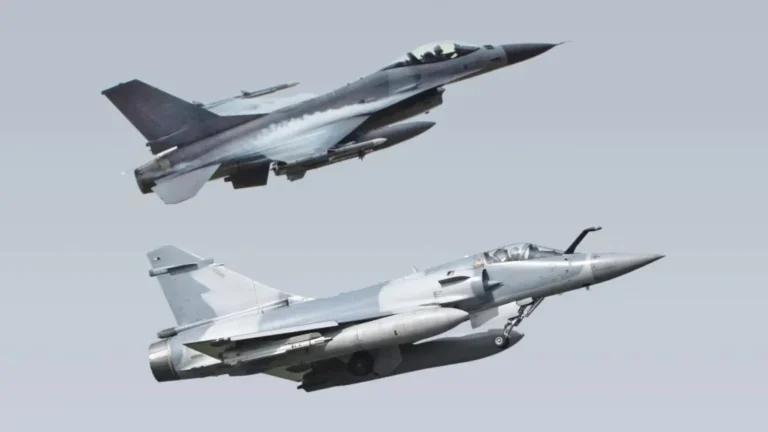
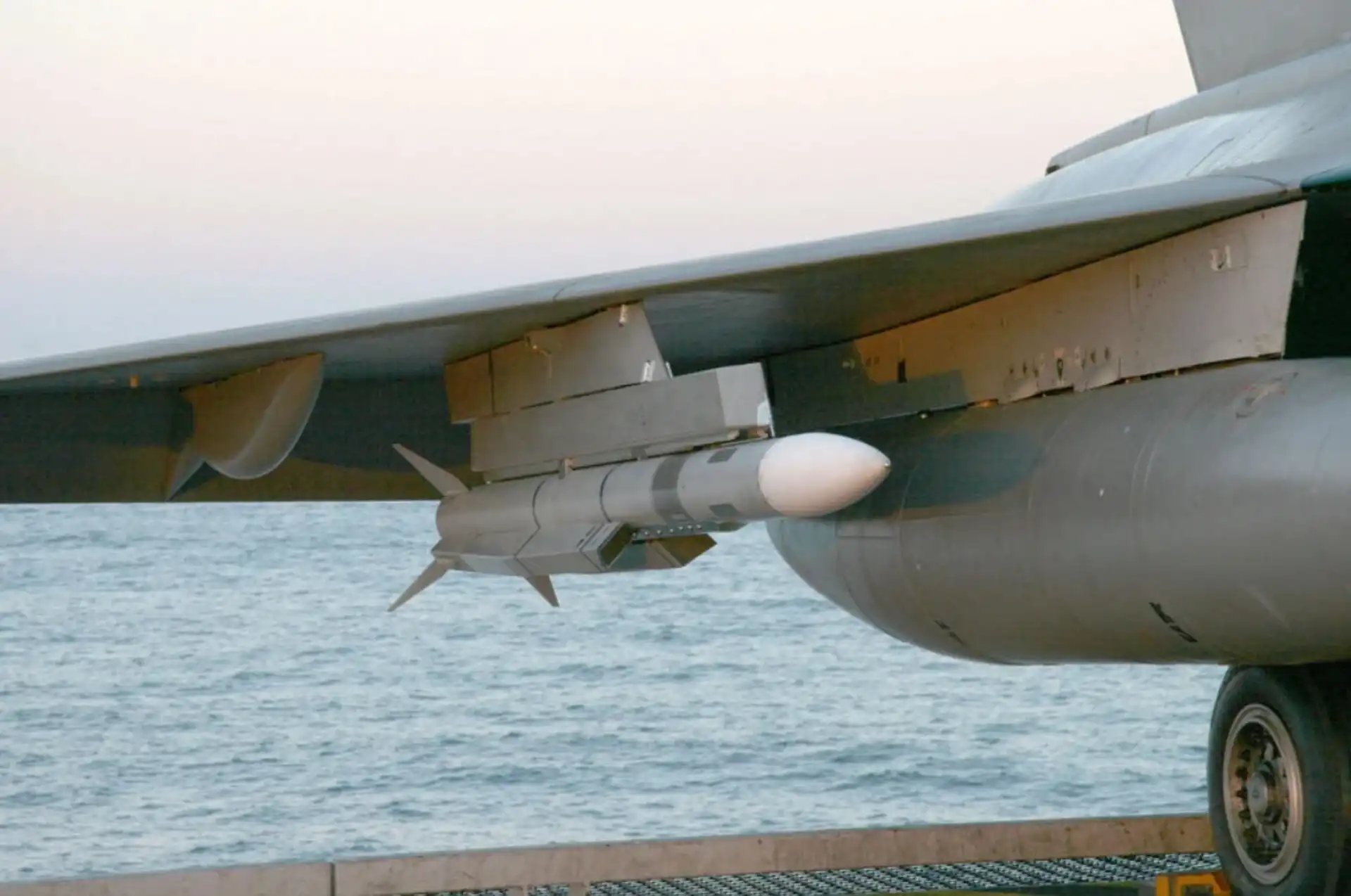
Meteor entered service in 2016 and was developed by MBDA for six European partners: the United Kingdom, France, Germany, Italy, Spain, and Sweden. It arms Royal Air Force Typhoons and French Air and Space Force Rafales. Publicly available specifications indicate a length of about 3.7 meters, a launch weight of about 190 kilograms, and a range publicly cited as more than 100 kilometers.
Its defining feature is a throttleable ducted rocket, a solid-fuel ramjet that sustains powered flight into the endgame instead of coasting after motor burnout. Paired with an active radar seeker and a two-way datalink for mid-course updates, this gives Meteor one of the largest no-escape zones of any Western air-to-air missile. Its successor must preserve that terminal energy advantage against long-range threats such as China’s PL-15 and PL-17 and Russia’s R-37M.
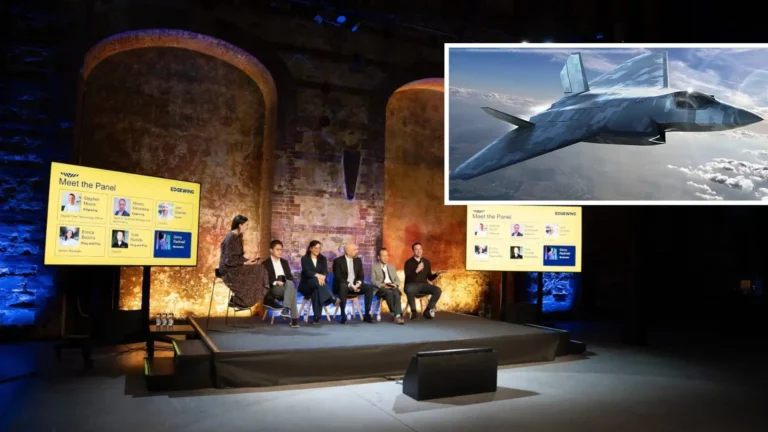
Analysis: The 2027 roadmap will land while the Global Combat Air Programme (GCAP) remains in its Concept and Assessment phase, for which the partner nations awarded a £4.6 billion contract to the industry joint venture Edgewing. If the Meteor successor is to arm GCAP and future Rafale standards, its dimensions, carriage mode, and datalink architecture must be fixed early, making this study a direct input to aircraft design rather than a stand-alone weapons exercise. It also extends the bilateral complex weapons portfolio, already anchored by the Stratus cruise missile effort with Italy, into the air-to-air domain.
The next public milestone is the study’s conclusion in summer 2027. Key decisions to follow include whether London and Paris fund a development phase, which industrial prime leads it, and whether Germany, Italy, Spain, and Sweden join. Until then, Meteor remains the frontline long-range air-to-air weapon for both air forces.