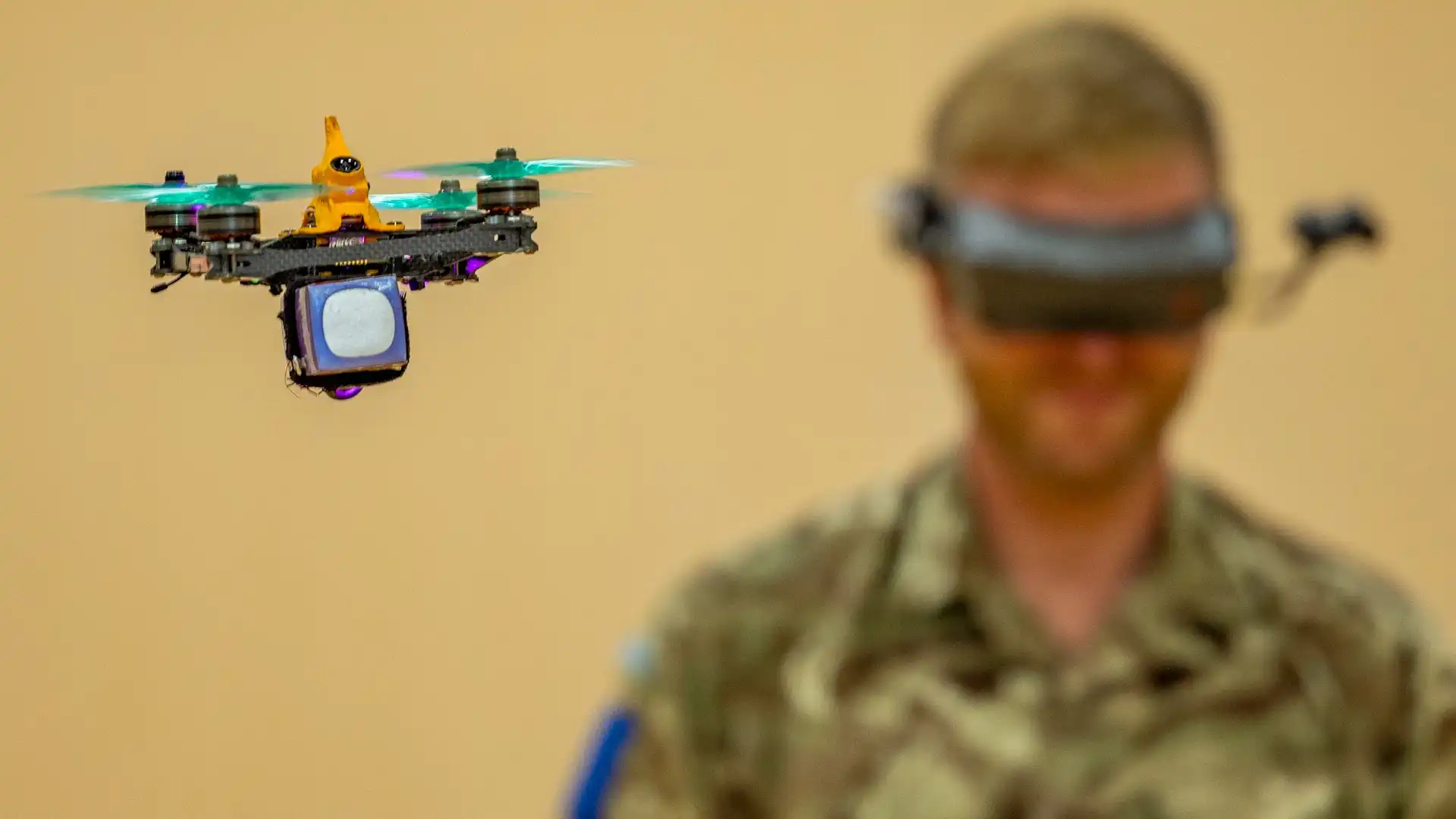
The British Army will field hundreds of additional one-way attack and first-person view (FPV) drones, double the number of intelligence, surveillance and reconnaissance (ISR) drones available to its troops in Estonia, and acquire new counter-drone electronic warfare (EW) systems under a £25 million package announced by the Ministry of Defence (MoD) on November 17, 2026. The equipment is earmarked for 4th Light Brigade Combat Team, which is planned to be equipped by April 2027.
The funding comes from the Defence Investment Plan and represents half of a £50 million allocation for rapid Army lethality investment under Project RAPSTONE, according to the MoD. The UK has been framework nation for NATO’s multinational battlegroup in Estonia since 2017 under Operation Cabrit, with a battlegroup at Tapa Camp. That commitment has since grown: under a joint declaration signed with Estonia in October 2024, 4th Light Brigade Combat Team has been held at high readiness in the UK since July 2025, on standby to deploy to Estonia at short notice.
British Army Drones, Counter-UAS and Signature Reduction Package
The procurement covers four capability lines. On the strike side, the additional one-way attack and FPV drones are intended to engage vehicles, fixed positions and equipment. The MoD did not name suppliers, specific airframes, exact unit quantities or a cost breakdown per system, and none of these details were public at the time of writing. The ISR component doubles the drones available to find and track threats, helping troops locate enemy forces more quickly.
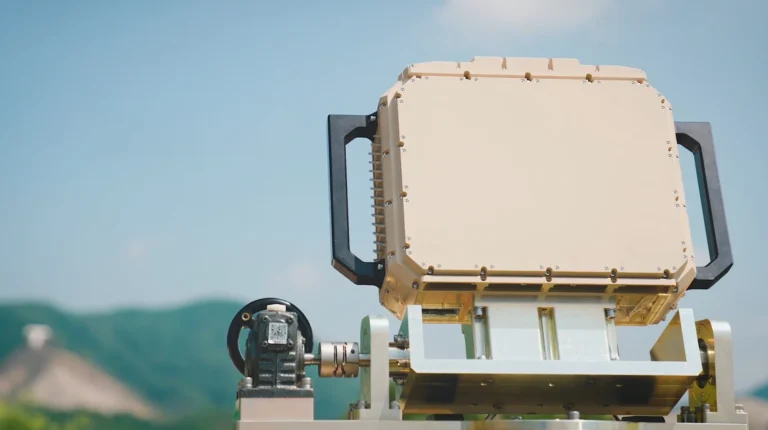
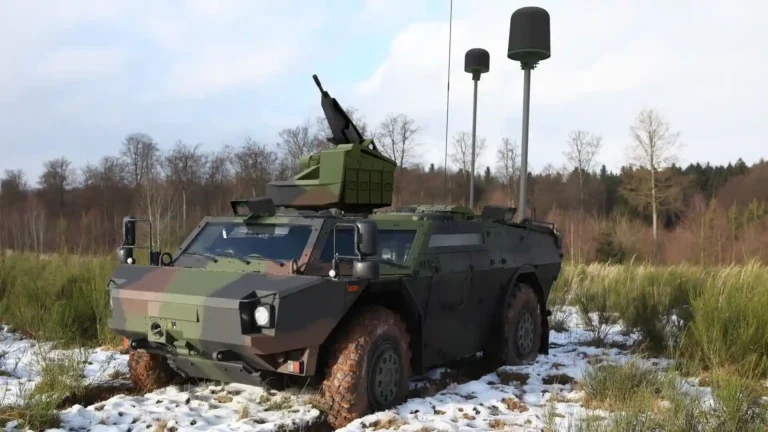
Counter-drone protection is layered. Body-worn EW systems and vehicle-mounted equipment will scan for hostile electronic signals, allowing troops to detect enemy drones and disrupt them before they close. The MoD pairs these with additional shotguns, giving troops several layers of protection against drones.
The package also includes multi-spectral camouflage designed to reduce the detectability of personnel, including against thermal sensors, and additional lightweight 4×4 utility vehicles of an unspecified type. Together, they are meant to let troops operate in smaller, more dispersed groups that are harder to detect and target.
Recce-Strike Doctrine and the 4th Light Brigade Timeline
The purchase supports the Army’s developing Recce-Strike approach, which the MoD describes as integrating reconnaissance, surveillance, decision-making and precision strike to reduce the time between detecting and engaging an enemy. Taken together, the MoD says, the new equipment will allow troops to find threats more quickly, remain harder to detect and strike an enemy faster when required.
Chief of the General Staff General Sir Roly Walker tied the logic directly to the war in Ukraine. “Ukraine has shown that the side which can see first, strike first and protect itself best has a significant advantage in modern war,” he said. Defence Secretary Wes Streeting said the investment “will mean our Army can move faster, be more agile and strike the enemy harder.”
The MoD also presents the package as evidence of a faster procurement model, turning lessons from current conflicts into frontline equipment more quickly. The April 2027 target leaves roughly five months between announcement and fielding.
Analysis: At £25 million, the package is small in budget terms, but its composition shows how the British Army is reshaping its light forces for an eastern flank fight. Rather than a single high-end platform, it buys attritable strike mass, sensing and protection as one bundle, tied to a named brigade and a fixed deadline. The open question is sustainment. FPV and one-way attack drones are consumables whose value depends on stockpile depth, rapid iteration against enemy EW and a steady flow of trained operators. A one-off buy equips 4th Light Brigade for April 2027; on its own, it does not establish the production and training pipeline needed to keep that capability current.
Markers to watch include disclosure of suppliers and drone types, how the remaining £25 million of the RAPSTONE allocation is spent, and whether the Recce-Strike equipment set extends beyond 4th Light Brigade to other Army formations. The April 2027 fielding date will be the first test of the MoD’s claim that it can move lessons from Ukraine to frontline units at speed.