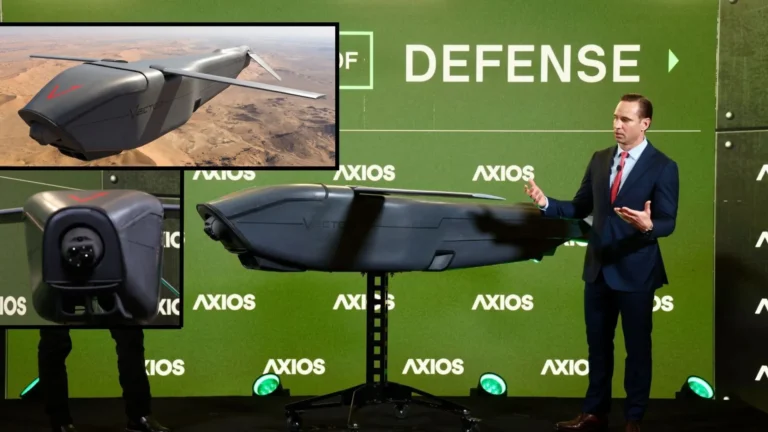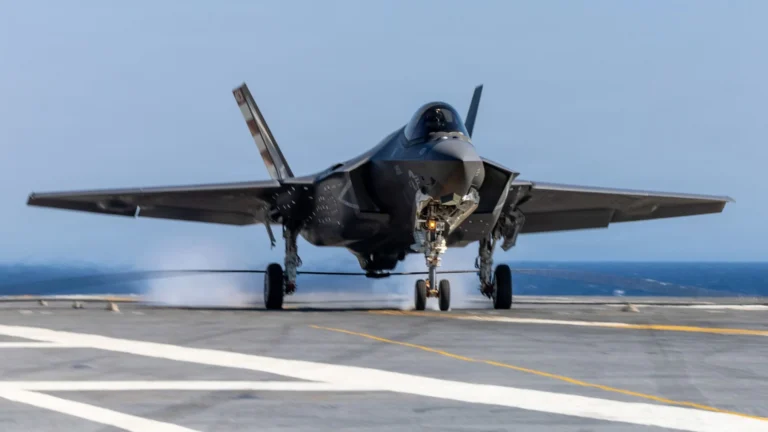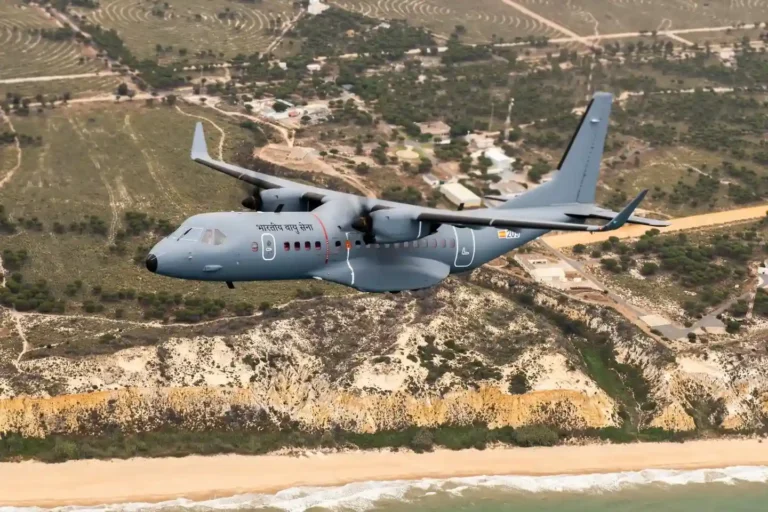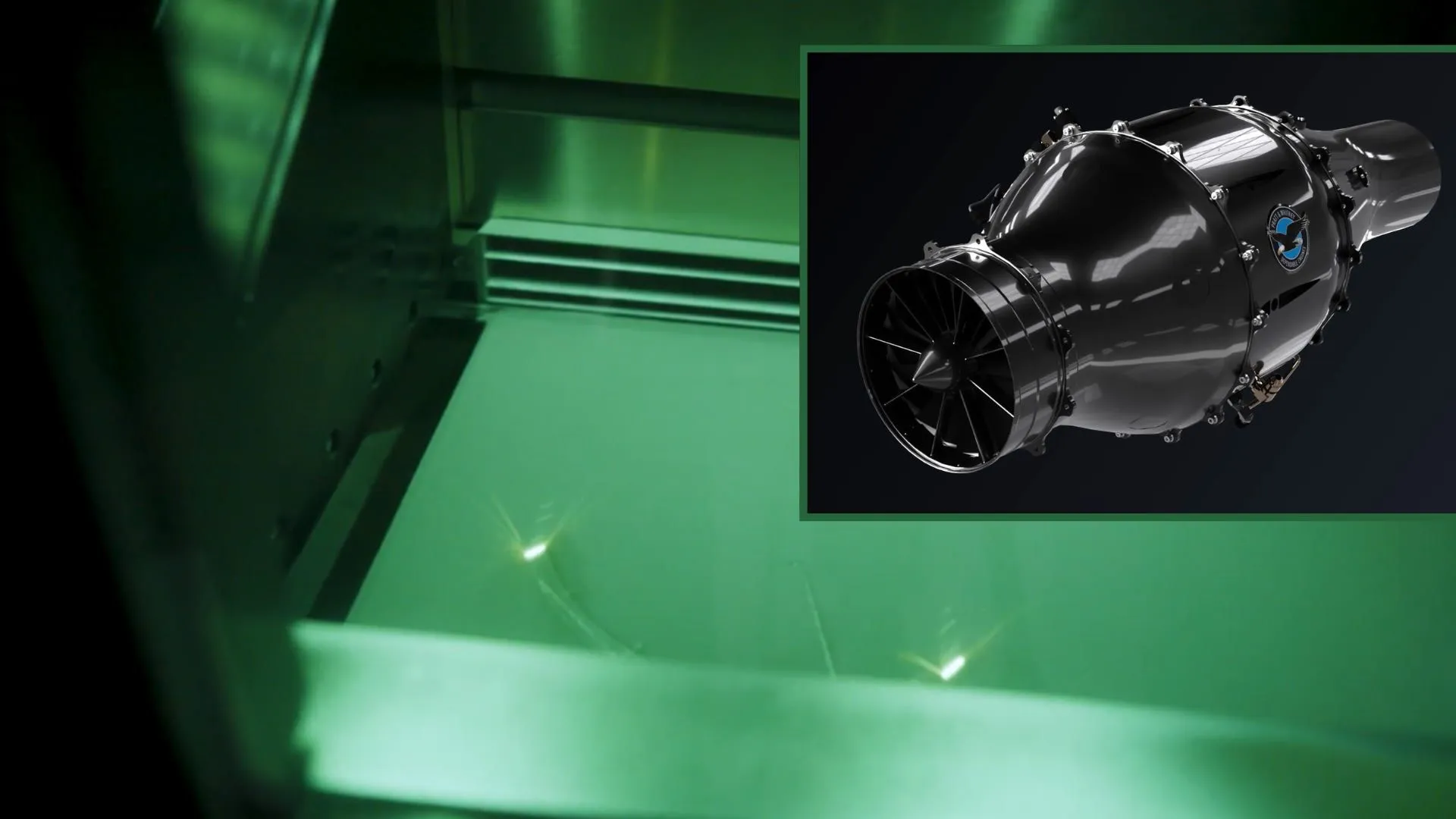
Pratt & Whitney is developing its Valox engine family, a line of small turbine engines rated from 500 to 1,800 pounds of thrust, for expendable effectors and autonomous collaborative platforms, using additive manufacturing and a fully digital engineering thread to compress development timelines, parent company RTX detailed on November 18, 2026. The company’s stated goal is to move from a clean-sheet design to production within months rather than years.
The effort tracks a shift in Pentagon demand toward affordable mass: large numbers of uncrewed aircraft and munitions that fly alongside crewed fighters to extend sensing and communications, saturate enemy defenses, and keep pilots out of the highest-threat zones. Pratt & Whitney named the Valox family at the Farnborough International Airshow in July 2026, where it also announced on July 21 that the Valox 1500 had completed a key design milestone, a comprehensive digital assessment ahead of follow-on ground testing. Initial development work has centered on the Valox 700, a variant aimed at effector munitions. “Our customer’s focus is no longer only on what we can deliver in 10 years, but also on what we can field tomorrow,” said Chrissy Williams, who leads the Advanced Military Engines portfolio at Pratt & Whitney.
How the Valox Engine Family Targets Affordable Mass
According to RTX, the Valox family is designed to power airframes ranging from small munitions to large uncrewed aircraft and to adapt to multiple airframe configurations. Williams said the engines will fill a long-standing gap in a thrust class where few propulsion options exist. The design philosophy departs from fighter engine practice: rather than a powerplant developed over many years and sustained for decades, Valox is optimized for short service lives, where simplified engines can still meet mission requirements and lend themselves to production at scale.
Pratt & Whitney has not publicly disclosed the core architecture, dry weight, specific fuel consumption, or unit cost of any Valox variant, and no production customer or platform has been named. The U.S. Air Force did fund design work on the Valox 1500 through a contract valued at more than $10 million, awarded in late 2025. Those parameters will determine whether the family competes on endurance for reusable collaborative aircraft or on cost per round for expendable effectors.
The company enters a contested segment. GE Aerospace and Kratos are developing the 1,500-pound-thrust GEK1500 for the lower end of the Collaborative Combat Aircraft (CCA) market, backed by a $12.4 million U.S. Air Force award announced on February 23, 2026, to complete preliminary design. Their 800-pound-thrust GEK800, designated F143-ZZ-100, is now in engineering and manufacturing development as a second-source engine for the Joint Air-to-Surface Standoff Missile (JASSM).
The same day, Honeywell announced an Air Force prototype contract to design a CCA engine based on its SkyShot 1600. Williams International remains the incumbent in cruise missile propulsion: its F107 turbofan is currently the sole engine for JASSM.
Laser Powder Bed Fusion and the Digital Thread Behind Valox
At its additive manufacturing lab in East Hartford, Connecticut, Pratt & Whitney uses laser powder bed fusion, in which a laser fuses successive hair-thin layers of metallic powder into finished parts. The company says components that can take more than a year to produce through conventional methods can now be made in less than a week. Once validated, digital build files can be shared across suppliers to produce multiple units in parallel. Across the Valox family, engineers combine conventionally manufactured parts with additively printed components in both the hot and cold sections, using integrated features to gain performance.
The approach has already been demonstrated on the TJ150, the turbojet that powers Raytheon’s Miniature Air Launched Decoy (MALD). Pratt & Whitney completed demonstration testing in July 2026 of a TJ150 configuration that was nearly 60% additively manufactured by volume, including static and rotating hardware, after consolidating more than 50 hot-section components into a handful of printed parts. The keyboard-sized engine flies missions that may last 15 minutes or less.
Design work runs through a digital thread hosted in a secure collaborative environment shared with the customer and suppliers. When a requirement changes, its effect on performance, testing, cost, and qualification now propagates in seconds, a process that previously took months on paper. “We are all working with the same data at the same time,” Williams said. “That allows us to move processes from being in series to in parallel.” Valox is Pratt & Whitney’s eighth digital program, and the company drew on Raytheon’s model-based systems engineering experience to mature its processes, a collaboration RTX says opens the way to integrating Pratt & Whitney propulsion into Raytheon effectors.
Analysis: The engine is becoming the pacing item for affordable mass. Every collaborative aircraft and long-range effector requires its own powerplant, so propulsion output effectively caps how many airframes the industrial base can deliver. Valox gives RTX a path to vertical integration, pairing Raytheon munitions with in-house propulsion and reducing exposure to a concentrated small-engine supply base. The open question is whether additive production that accelerates prototyping can sustain qualified, consistent output at the thousands-per-year volumes that mass employment implies, a threshold no Valox variant has yet publicly demonstrated.
The next measurable milestones are Valox 1500 ground testing and validation of key design features on the Valox 700. Pratt & Whitney has not released test dates, a production site, or a production contract, and its competitive position will depend on how the Air Force structures follow-on CCA increments and how quickly the services expand procurement of low-cost cruise missiles and decoys.