Collins Aerospace, an RTX business, broke ground on November 17, 2026, on a propeller maintenance, repair, and overhaul (MRO) facility at the Collins India Operations Center (CIOC) in Bengaluru. The company announced that the site will be the first propeller MRO center in India authorized by a foreign aerospace original equipment manufacturer (OEM). It will service propeller systems for ATR 42/72 regional aircraft and Airbus C295 military transports across the Asia-Pacific region, with operations expected to begin in early 2029.
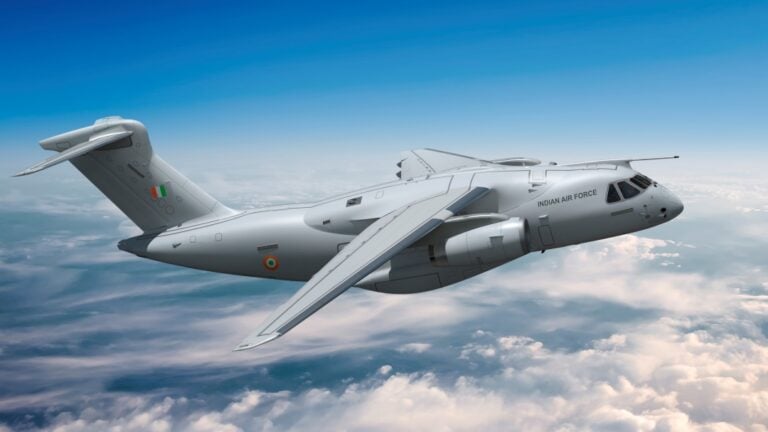
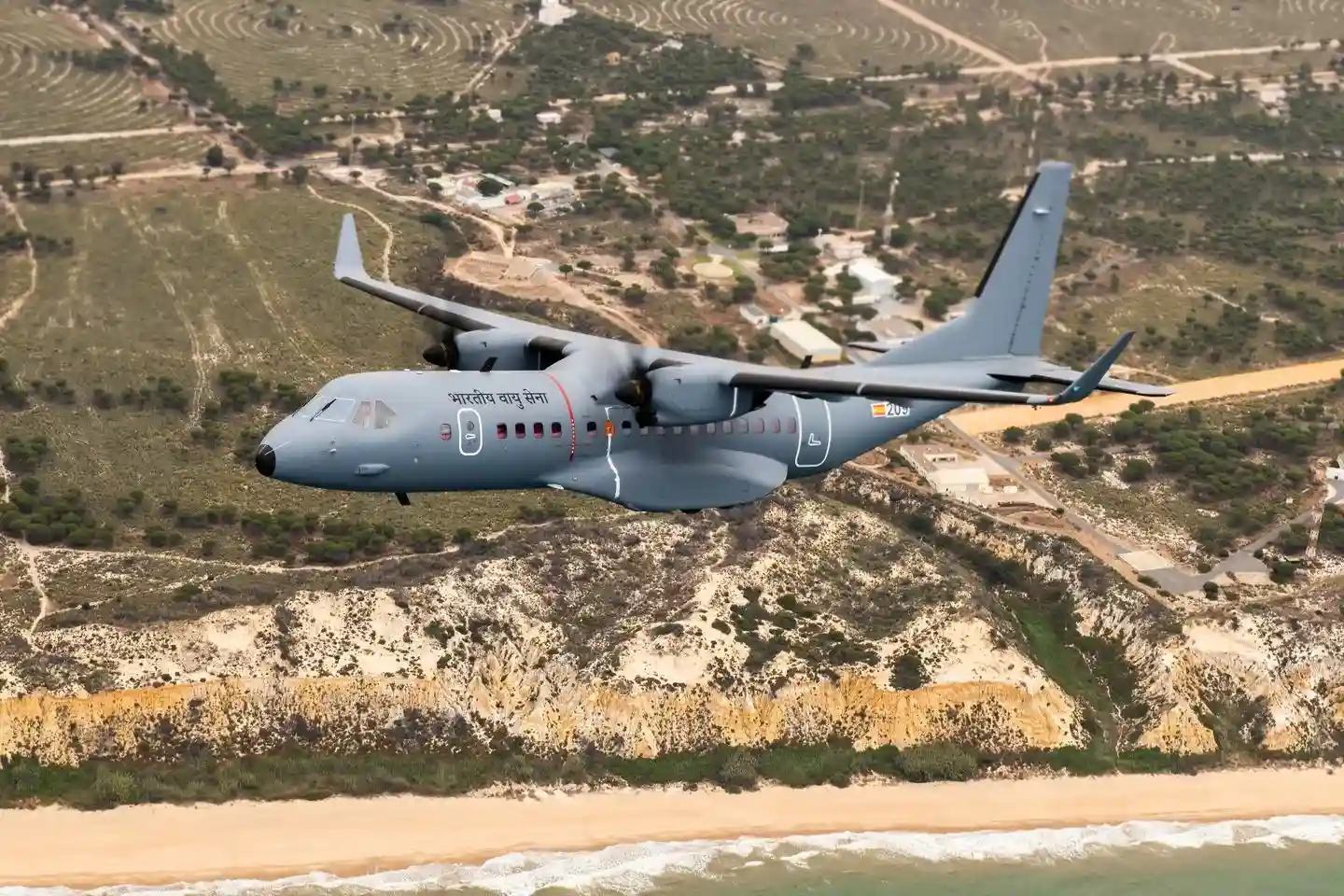
The investment, described only as multi-million-dollar, adds to more than $200 million Collins has deployed in India over the past five years across engineering, manufacturing, testing, and aftermarket propeller maintenance. It also arrives as India’s C295 program shifts to domestic production. Under a ₹21,935 crore contract signed in September 2021, the Indian Air Force (IAF) is acquiring 56 C295s to replace its Avro 748 fleet: 16 delivered in fly-away condition from Airbus’ Seville line, and 40 to be built by Tata Advanced Systems Limited (TASL) in Vadodara, Gujarat, by August 2031. The first India-assembled C295 completed its maiden flight in June 2026.
Inside the India Propeller MRO Facility at Bengaluru CIOC
The facility will open with a team of up to 50 specialized technicians and engineers, with headcount set to grow as service volume increases. Collins has not disclosed the floor area, annual overhaul capacity, exact investment figure, or the specific propeller models to be covered.
Publicly available specifications indicate that both target platforms use variants of the Collins 568F, a six-blade, variable-pitch propeller with composite blades, originally developed under the Hamilton Sundstrand name. The 568F equips the ATR 42-500 and ATR 72-500/600, as well as the C295 with its twin Pratt & Whitney Canada PW127G turboprops. Collins said in 2022 that the 568F equipped more than 900 ATR 42/72 aircraft in over 100 countries. That shared hardware is the economic logic of the site: one set of tooling, test equipment, and trained staff can support both a commercial and a military fleet.
The host site, CIOC, opened in November 2025 on 26 acres at the KIADB Aerospace Park in Bengaluru. It supports production of more than 70 mechanical, electromechanical, and electronic products, using artificial intelligence, additive manufacturing, and robotics. Ajay Mahajan, president of Advanced Structures at Collins Aerospace, said in-country capability would reduce “turnaround times and operational downtime,” and credited the government of Karnataka with helping enable the investment.
C295 Sustainment and the Collins Asia-Pacific Propeller Network
For the IAF, the main value is control over sustainment. Without an OEM-authorized propeller shop in the country, overhauls have depended on facilities abroad, which adds transit time, customs handling, and larger spares pools. A domestic authorized shop shortens that loop for a fleet that will grow to 56 aircraft.
The Bengaluru site extends an existing regional footprint. In 2022, Collins began standing up 568F propeller MRO services and a rotable spares pool at its Malaysia campus for Asia-Pacific ATR operators, with repairs and major inspections initially handled at its MRO centers in Europe. Its propeller design and manufacturing center of excellence remains at Figeac, France. Separately, Aircraft Propeller Service (APS) opened a Collins-licensed propeller overhaul shop in Selangor, Malaysia, in June 2025, covering 568F blades for ATR 42/72 and C295 aircraft. How workload will be divided between the Malaysian sites and Bengaluru has not been disclosed.
Analysis: The project links a US prime’s aftermarket business to India’s self-reliance policy at the point that most directly affects readiness: depot-level maintenance. With the C295 fleet growing through 2031 and regional turboprop traffic expanding, Collins secures a long-term position in propeller support revenue, while New Delhi gains a domestic overhaul path for its principal tactical airlifter. The early-2029 start date, however, means the first India-built C295s will enter service before local propeller overhaul is available.
Open questions include the final investment amount, the certification pathway with India’s Directorate General of Civil Aviation (DGCA) and military airworthiness authorities, and whether Collins will extend coverage to other propeller types in Indian service. The next milestone is construction completion ahead of the early-2029 opening.