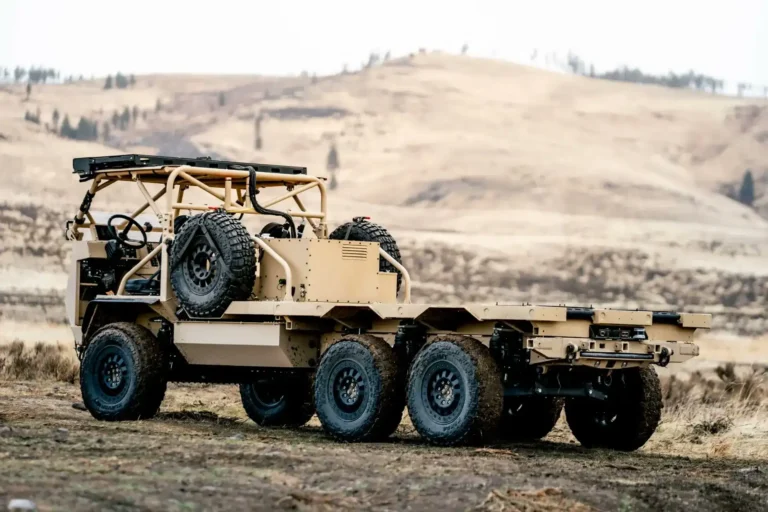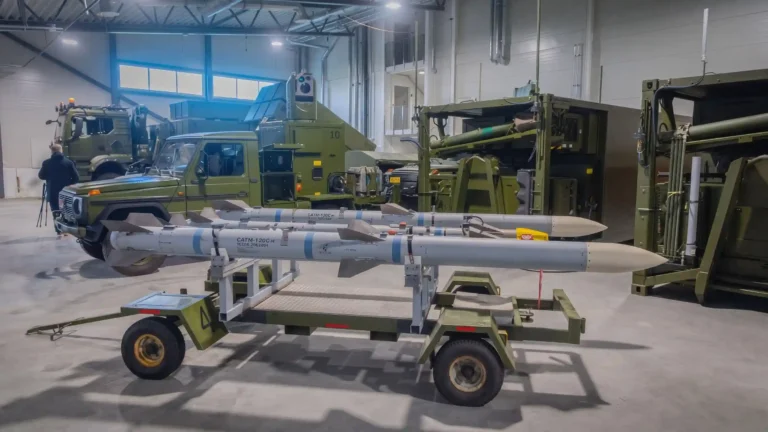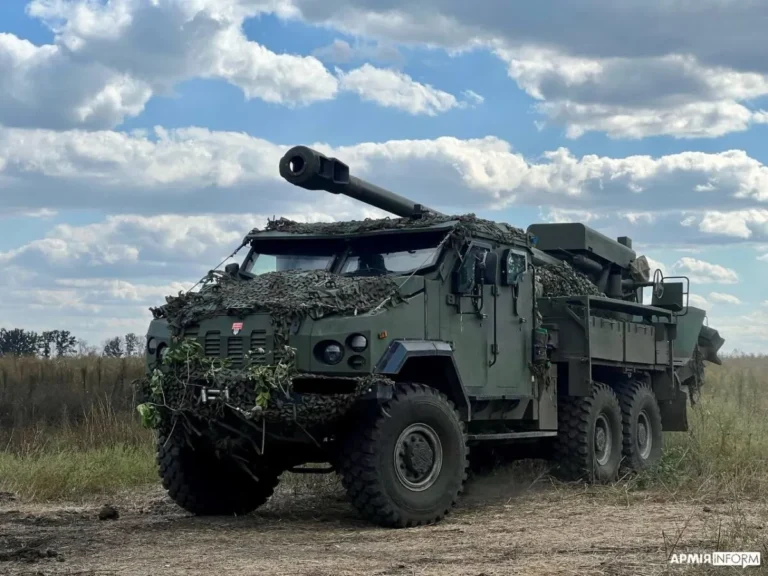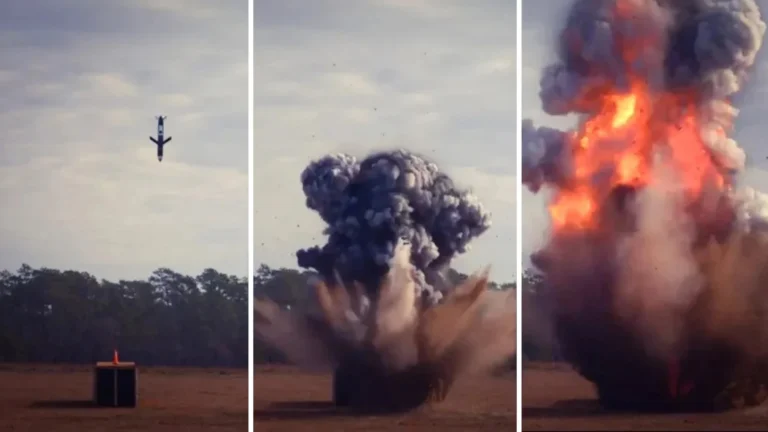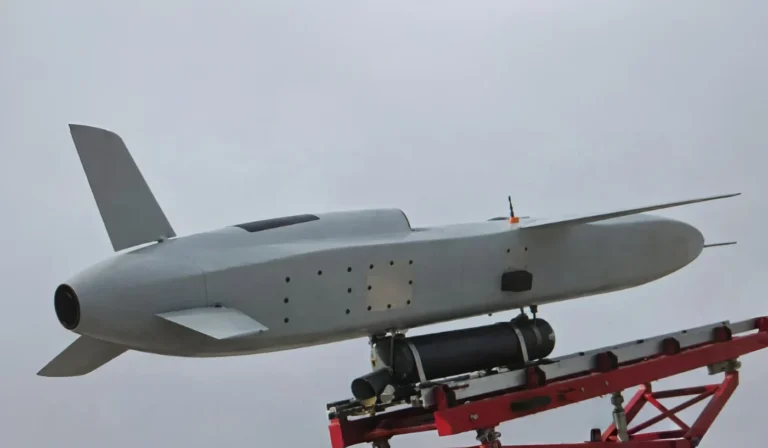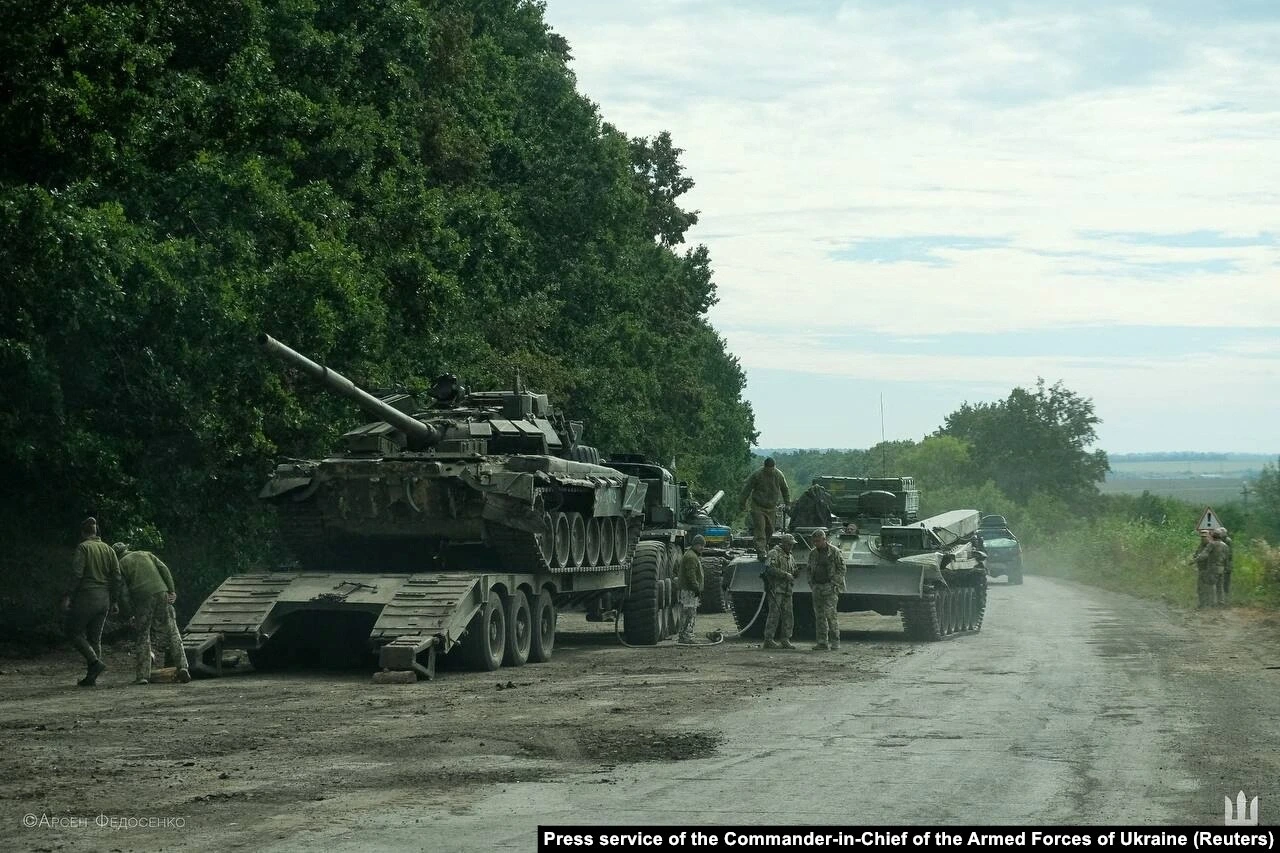
Kinzhal debris, a T-90M main battle tank, and fragments of North Korean KN-23 missiles fired by Russian forces are among the captured Russian weapons Ukraine has opened to vetted foreign industry. Demand keeps rising: of more than 650 applications to register on TrophyLab, the state portal for studying captured Russian equipment, 389 came from foreign defense manufacturers, Ukraine’s Ministry of Defense announced on October 15, 2026, up from more than 300 at the end of August.
The figure reflects fast uptake for a platform that went live on June 19, 2026, as an experimental project approved by Ukraine’s Cabinet of Ministers. Then-Defense Minister Mykhailo Fedorov launched TrophyLab, formally the Unified Web Portal for the Study of Enemy Equipment, to open Ukraine’s wartime exploitation of Russian hardware to vetted partners. Fedorov left the ministry on July 16, 2026, when the Verkhovna Rada replaced Prime Minister Yulia Svyrydenko’s government, and lawmakers confirmed Evgeniy Khmara as his successor on August 19. The remaining applicants include Ukrainian manufacturers, military units, and government institutions; on August 31, the ministry counted more than 130 Ukrainian manufacturers among them.
What the TrophyLab Database Holds on Captured Russian Weapons
TrophyLab pools exploitation data from units of the Defense Forces of Ukraine, the Defense Intelligence of Ukraine (HUR), the Security Service of Ukraine (SBU), and specialized research institutions. At launch, the ministry listed more than 115 captured samples across 79 equipment categories and subcategories. The catalog spans missiles, including the Kh-47M2 Kinzhal air-launched ballistic missile, unmanned aerial vehicles (UAVs), armored fighting vehicles including a T-90M main battle tank, artillery and missile systems, electronic warfare equipment, and electronic components. It also holds North Korean KN-23 short-range ballistic missiles (SRBMs) fired by Russian forces. The ministry has not published an updated sample count since June.
Registered users can review research results online, including technical documentation, drawings, and component analyses, or request a physical sample or fragment for offline study. At launch, the ministry described handling formats ranging from non-destructive examination to full disassembly or destruction of an item.
Missile Defense, Anti-Armor, EW: What Each Captured System Offers
Each category carries a distinct engineering payoff. Kinzhal debris gives missile defense developers ground truth on construction, materials, and guidance hardware for a weapon Ukrainian Patriot batteries have engaged since May 2023. The T-90M, which publicly available specifications indicate carries Relikt explosive reactive armor and the Kalina fire control system, is the reference target for any Western anti-armor or top-attack munition built to defeat current Russian armor. KN-23 fragments carry supply-chain value as well: independent investigators who examined debris recovered in Kharkiv in early 2024 traced most of the missile’s electronics to Western-origin commercial components, evidence that informs export-control enforcement as much as interceptor design. For electronic warfare (EW) and counter-UAS developers, captured electronics and UAV components offer frequency, waveform, and firmware data that laboratory threat models can only approximate.
Sanctions Screening, Sample Requests, and the Avengers Labs Precedent
Access is gated. Applicants submit a registration form, and the platform administrator verifies the information before sending an agreement and undertaking for signature. The ministry screens every applicant for ties to Russia and for exposure to Ukrainian or international sanctions, alongside other mandatory criteria. Eligible users include foreign defense ministries, defense companies from partner nations, and accredited research institutions. The ministry says faster, secure information sharing “speeds up the development of effective countermeasures for the Defence Forces of Ukraine.”
Key details remain undisclosed. The ministry has not said how many applications it has approved, which countries the 389 foreign firms are based in, how many physical sample requests it has fulfilled, whether access carries fees, or how export controls apply to hardware shipped abroad.
TrophyLab runs alongside a second partner-facing data channel. On September 25, 2026, the ministry named the United Kingdom the first international partner of Avengers Labs, a platform for training artificial intelligence (AI) models for unmanned systems on an annotated dataset of more than 5 million battlefield frames, most collected through the DELTA combat system. Up to 12 British companies, selected through a competition run by the UK Ministry of Defence’s Rapid AI Delivery (RAID) Task Force, will train models inside the platform’s secure perimeter without downloading the data, once Ukraine completes export control procedures. More than 30 Ukrainian companies already train models on the dataset, and the ministry says three resulting products are in combat use. Britain’s Defence Science and Technology Laboratory (Dstl) has also examined Russian equipment recovered in Ukraine throughout the war.
Analysis: TrophyLab moves foreign materiel exploitation out of a closed government-to-government process and into an industry-facing catalog. In the United States, exploitation of captured hardware has long run through organizations such as the Army’s National Ground Intelligence Center and the Defense Intelligence Agency’s Missile and Space Intelligence Center, with findings reaching contractors slowly and selectively. Ukraine now offers vetted firms direct access to current Russian hardware, and 389 foreign applicants show that Western industry treats that access as a design input for counter-UAS, EW, armor, and missile defense programs. For Kyiv, the platform also converts battlefield attrition into leverage, since partners seeking ground truth on Russian systems increasingly depend on Ukrainian data no ally can generate on its own.
The next indicators are approval rates, the national spread of foreign registrants, and whether Kyiv publishes a catalog count beyond the 115 samples listed in June. Additional Avengers Labs partners after the United Kingdom would show whether Ukraine is building a broader data-access framework for allies.