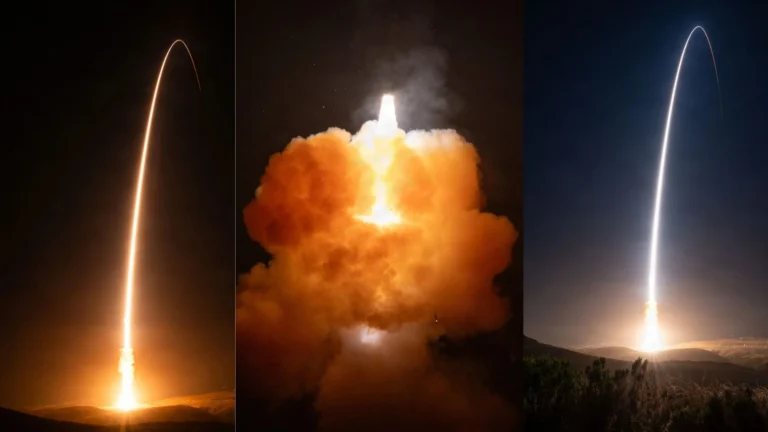
The European Commission has earmarked €68 million in the European Defence Fund (EDF) 2026 work programme for research on countering hypersonic glide vehicles (HGVs), according to a November 13, 2026 overview published by the Directorate-General for Defence Industry and Space (DG DEFIS). The same document reports more than €300 million already invested in collaborative research and development on advanced sensors and restates the aim of reaching a laser directed-energy weapon (DEW) prototype by 2027.
The overview closes a DG DEFIS factsheet series covering five technology areas the Commission links to Defence Readiness: advanced sensors, hypersonic systems, laser technology, nanotechnology and next-generation communications. It comes as the EDF approaches the final year of its 2021-2027 budget of nearly €7.3 billion, paid out mainly as grants covering up to 100% of eligible costs depending on the activity.
European Defence Fund Hypersonic Defence and Advanced Sensor Investment
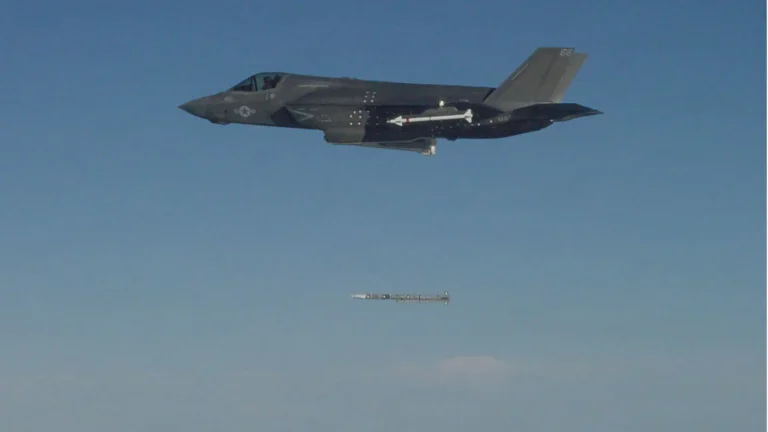
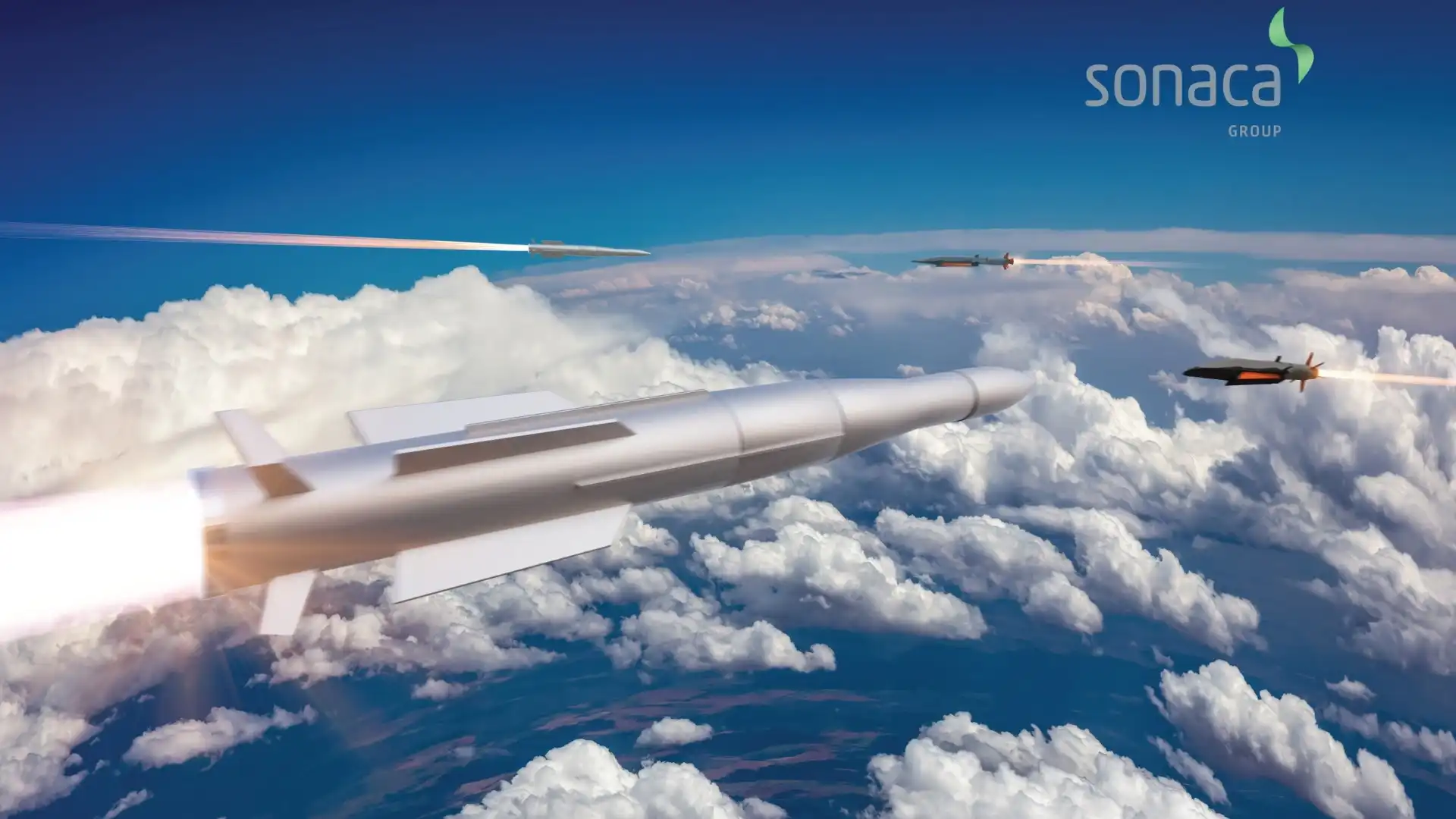
HGVs combine speeds above five times the speed of sound with manoeuvrability, which makes them difficult to detect, track and intercept and creates major challenges for air and missile defence. The work programme treats the €68 million as an indicative direct award outside the standard call for proposals, handled under EU classified information rules. Work programme documents describe it as continuing work to build, test and fly a basic HGV demonstrator as part of efforts to counter the threat.
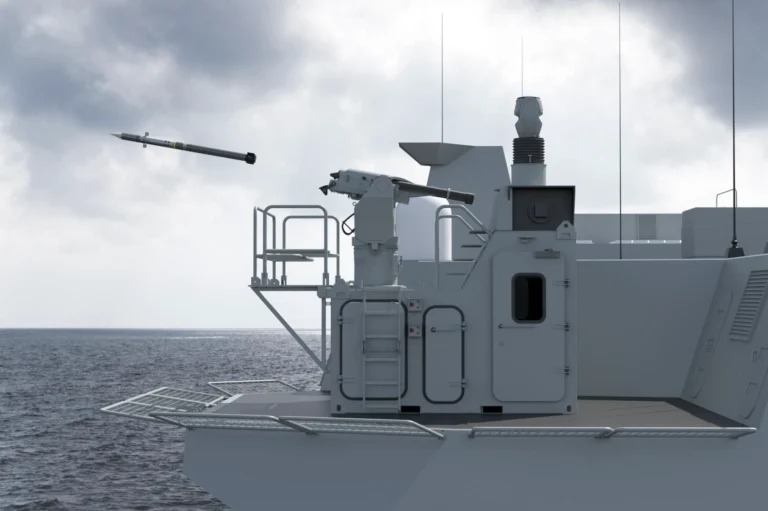
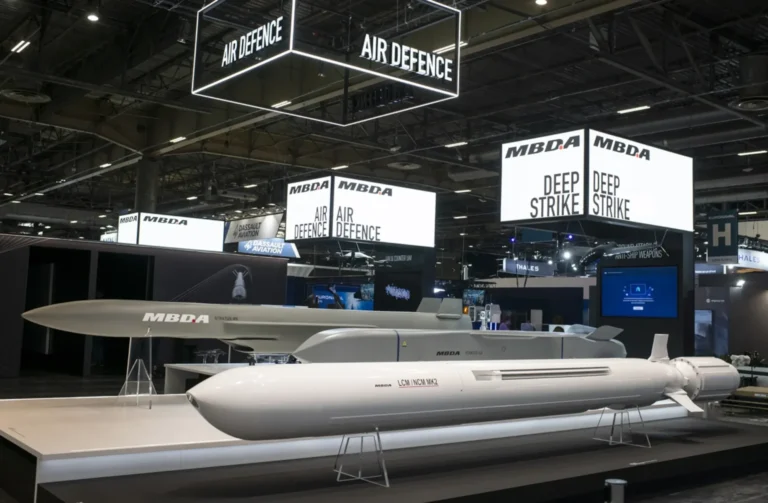
That action sits inside a €168 million envelope for hypersonic counters and high-end endo-atmospheric interception, which also includes a €100 million call for a future endo-atmospheric interceptor. Two consortia have pursued that requirement: HYDEF, managed by Spain’s SMS (Sistemas de Misiles de España) with Germany’s Diehl Defence as technical coordinator, and HYDIS², coordinated by MBDA with 19 partners from 14 European countries. Only one interceptor proposal is expected to receive funding. A separate topic of about €20 million targets an AI-optimised radar able to detect and track HGVs and uncrewed aircraft.
The broader sensor portfolio covers next-generation radar, AI-enabled signal detection, sensor networking and quantum sensing, with the stated aim of faster threat detection and sustained operation under jamming.
Laser Weapons, Nanomaterials and Tactical Communications Roadmap to 2027
The Commission cites three laser projects: TALOS, TALOS-TWO and LACE. The original Tactical Advanced Laser Optical System (TALOS), funded under the Preparatory Action on Defence Research (PADR) that preceded the EDF, ran from 2019 to 2023 under a CILAS-led consortium of 16 participants from nine countries. TALOS-TWO, launched in December 2024 with €25 million in EDF funding, brings together 21 partners from eight countries, including CILAS, Leonardo and Rheinmetall. It is building two high-power 1 µm combined-source demonstrators, simulating 2 µm source combining and establishing a European supply chain for high-energy laser sources, with a longer-term target of 100 kW-class weapons by 2030. The Commission document gives no scope, budget or consortium details for LACE.
The Commission’s case for lasers rests on cost per shot. It points to the economic imbalance between inexpensive drone swarms and expensive missile interceptors, and says lasers could offer fast, precise engagement with limited collateral damage at a potentially lower cost per shot than conventional interceptors.
On nanotechnology, the EDF finances multifunctional nanomaterials, smart textiles, adaptive camouflage, advanced coatings and nanoscale sensors, with applications in soldier protection, signature management, explosive detection and chemical, biological, radiological and nuclear (CBRN) defence. Smart textile and camouflage prototypes are targeted for 2027. Communications work spans secure and interoperable networks, anti-jamming technology, AI-enabled systems and standardised tactical communication architectures, with 5G, 6G and laser links identified as enablers for real-time data exchange in contested environments.
Analysis: The overview is a stock-take of existing commitments rather than a new award. Its most telling detail is sequencing: the EU is financing an HGV demonstrator and the associated sensing while the choice of a single interceptor design is still pending. That order places any European counter-HGV capability well beyond the current budget period: the MBDA-led HYDIS² effort has cited a 2035 in-service horizon. The 2027 DEW and nanotechnology prototype targets coincide with the end of the current Multiannual Financial Framework, so continuity depends on how defence research is treated in the 2028-2034 budget.
The next decision points are the selection between the HYDEF and HYDIS² interceptor teams, progress on the classified HGV demonstrator and the publication of LACE project details. The overview sets no new dates for any of them.