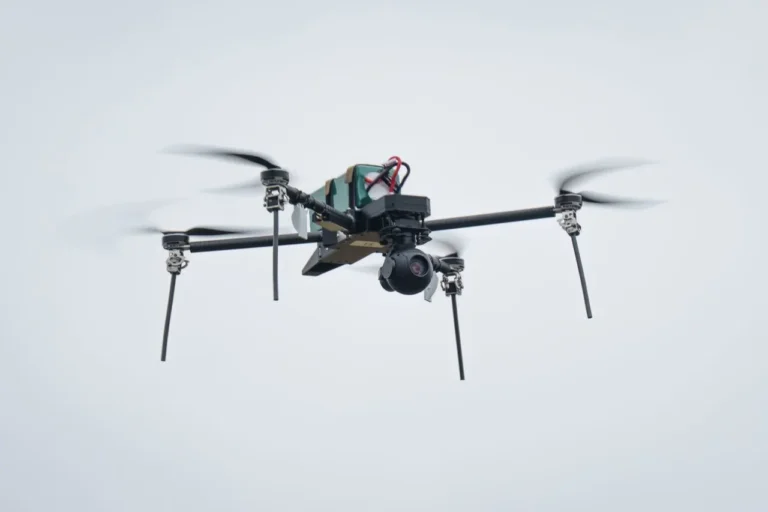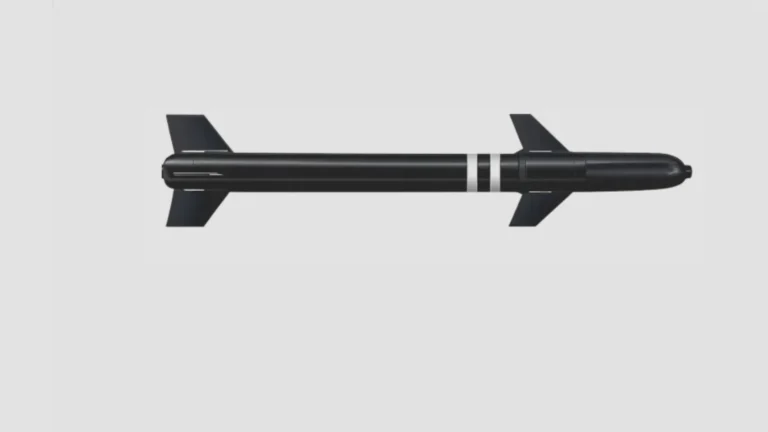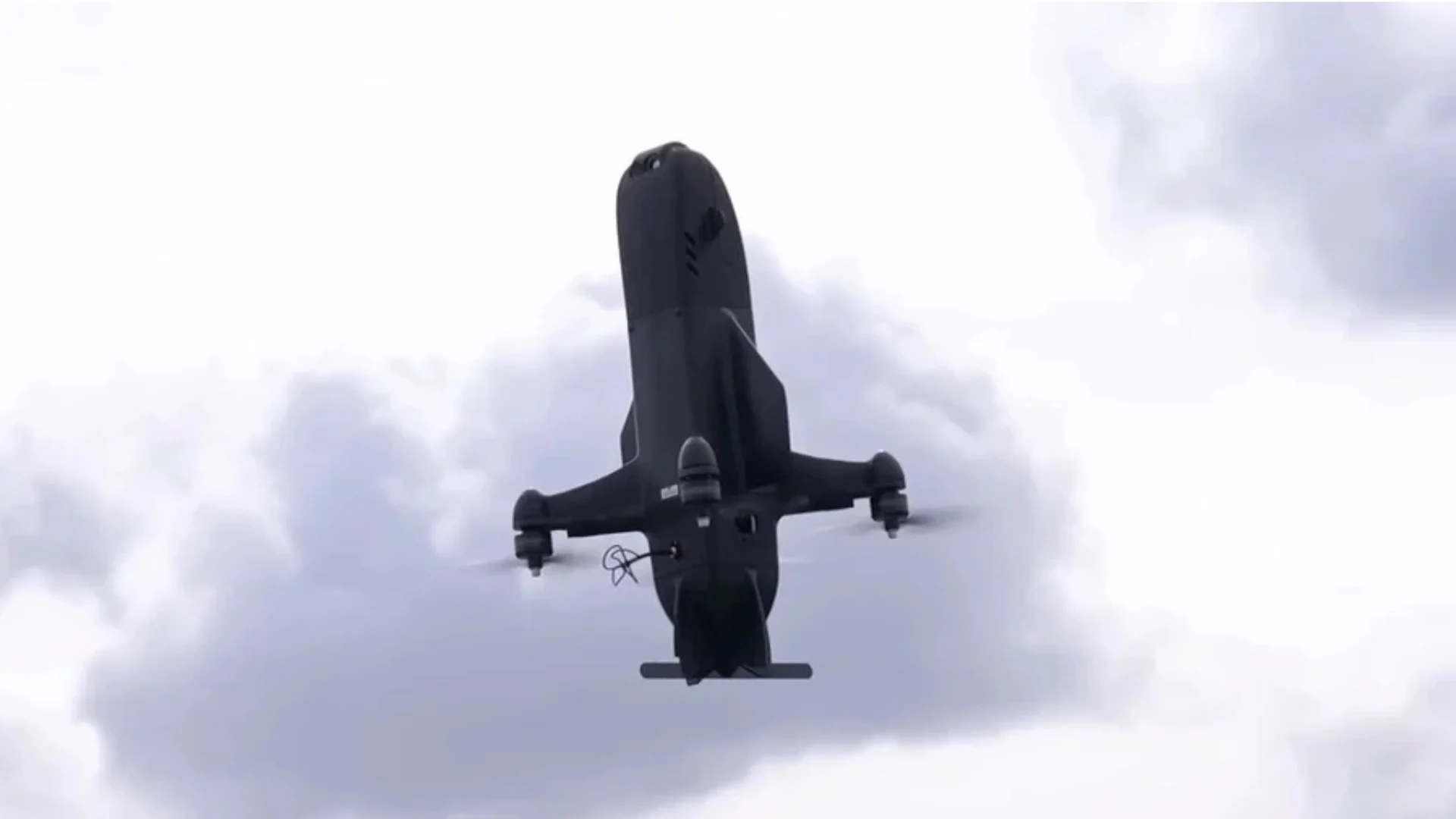
The European Commission disbursed €1.71 billion to Ukraine on November 16, 2026, under the defense component of the €90 billion Ukraine Support Loan, funding drones, ammunition and air defense systems, including early-warning radars and missiles. The payment is the eighth made under the loan’s defense window and lifts total defense disbursements to €18.1 billion since the first tranche was released at the end of June.
The transfer comes with roughly six weeks left in the 2026 funding year. A Council implementing decision adopted on April 23, 2026, set Ukraine’s 2026 envelope at up to €45 billion: €28.3 billion for defense industrial capacity and €16.7 billion in budget support. With €18.1 billion now paid on the defense side, €10.2 billion of defense funding remains available before year-end, alongside €9.0 billion in budget support under the loan and almost €4.4 billion under the separate Ukraine Facility. Since February 2022, the EU and its member states have provided €237.6 billion in overall support to Ukraine, including €3.8 billion drawn from the proceeds of immobilized Russian assets.
Ukraine Support Loan Defense Window Reaches €18.1 Billion
The loan rests on Regulation (EU) 2026/467, adopted by the European Parliament and the Council on February 24, 2026, under enhanced cooperation. Twenty-four member states participate; Czechia, Hungary and Slovakia carry no financial obligations under the scheme. The EU raises the money through borrowing on capital markets backed by the EU budget, and Ukraine repays only once it receives reparations from Russia. Over 2026 and 2027, the instrument carries an indicative split of €60 billion for defense and €30 billion for budgetary assistance.
Disbursements on the defense side follow product schedules submitted by Ukraine and approved by the Commission after consulting the Ukraine Defence Industrial Capacities Expert Group and the programme committee. All expenditure remains subject to agreed conditions and monitoring.
The first defense payment, €3.9 billion on June 30, financed drones, and a second payment of €1.1 billion followed on July 15. A €3.47 billion tranche on July 30 covered drones, missiles, air defense and Gripen fighters. On September 11, the Commission approved €6.1 billion for air and missile defense, ammunition, drones and electronic warfare, including PAC-3 interceptors for Patriot batteries, before paying €3.3 billion on September 18. A further €1.24 billion on October 7 funded Ukrainian-built drones, drone interceptors, drone munitions and missiles, and €2.86 billion on October 14 covered drones, air defense systems, missiles, radars, electronic warfare systems and ammunition.
Andrius Kubilius, Commissioner for Defence and Space, framed the pace as the core metric. “Our commitment was to act with speed and scale, and we are delivering on that promise,” he said, noting that eight payments have gone out “in just a few months,” mainly for drones and air defense.
Air Defense Priorities and the European Industrial Share
The Commission did not identify the radar types, missile designations, suppliers or quantities covered by the November 16 payment. What it did specify is the industrial split: about 40% of the €1.71 billion, or roughly €680 million, will fund contracts with manufacturers established in the EU. The payment as a whole supports procurement from Ukrainian and European manufacturers, consistent with the defense component’s stated aim of rebuilding and modernizing Ukraine’s defense technological and industrial base while integrating it gradually into the European one.
As with the October 14 payment, which also listed radars, the inclusion of early-warning radars points to the sensor layer of Ukraine’s air defense network. Detection and cueing determine whether interceptor missiles, mobile fire groups and interceptor drones can engage incoming one-way attack drones and cruise missiles in time. Funding sensors alongside effectors addresses a recurring gap: interceptors without timely tracking data lose much of their value against saturation raids.
Eligibility rules under Article 13 of the regulation favor products from Ukraine, the EU and EEA EFTA states. Derogations are an exceptional and strictly limited tool, but the Commission has used them repeatedly. An April 1 decision cleared derogations for the first drone schedule. The September 11 package contained five, three for Ukrainian-made drones and components above cost thresholds and two for US-made equipment. Implementing Decision (EU) 2026/2071, adopted the same day, allows Ukraine to source small-drone components from outside the eligible area.
Analysis: The defense window has become a financing channel in which European money buys Ukrainian and European production, and American hardware by exception, notably PAC-3 interceptors for the Patriot batteries already in Ukrainian service. The 40% EU share in this payment shows the instrument doubling as industrial policy for the European defense base. The arithmetic of the remaining envelope is the pressure point: the eight payments so far average about €2.26 billion, so clearing €10.2 billion by December 31 implies four or five more transfers of similar size, each tied to adopted schedules and verified contracts.
Kubilius said new disbursements would “follow very soon,” and the Commission stressed that releasing the remaining 2026 funds depends on meeting the conditions set in the legal bases. Open questions include which radar and missile systems this tranche finances, how much of the €10.2 billion is paid out before year-end, and how the 2027 portion of the €90 billion loan is allocated between defense and budget support.