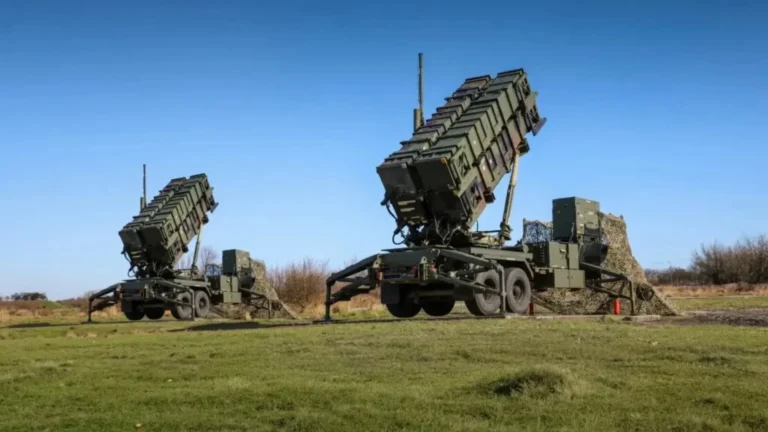
The United Kingdom will supply Ukraine with more than 1,000 short-range air defense missiles and launchers, plus more than a dozen air defense radars, under a £240 million package announced on November 17, 2026. Defence Secretary Wes Streeting unveiled the support as he co-chaired the 37th meeting of the Ukraine Defense Contact Group (UDCG) at NATO headquarters in Brussels. Deliveries to the Armed Forces of Ukraine are scheduled to begin in mid-December.
The package draws on the £500 million set aside in the UK Budget to close urgent gaps in Ukraine’s air defenses this winter, and sits inside a wider £10 billion British commitment to Kyiv. It builds on 400 surface-to-air missiles the UK has already shipped ahead of the cold season and, according to the Ministry of Defence (MoD), answers direct requests from Ukrainian leaders as Russia keeps striking cities and energy infrastructure with Iranian-designed, jet-powered Shahed drones. “In Ukraine, President Putin uses winter as a weapon,” Streeting said.
What the £240 Million Air Defense Missiles Package Contains
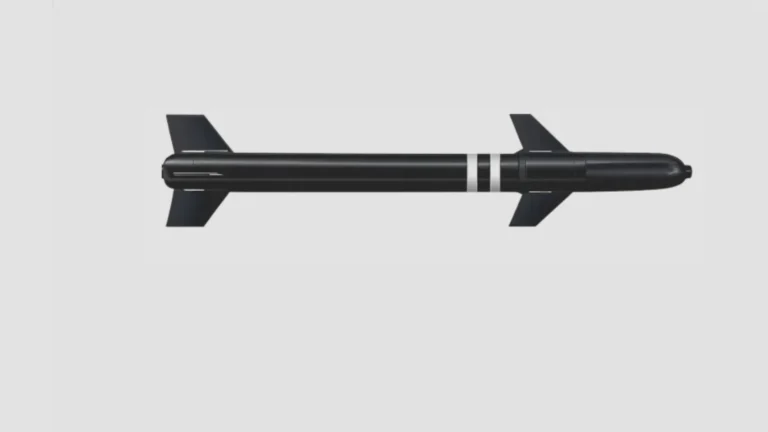
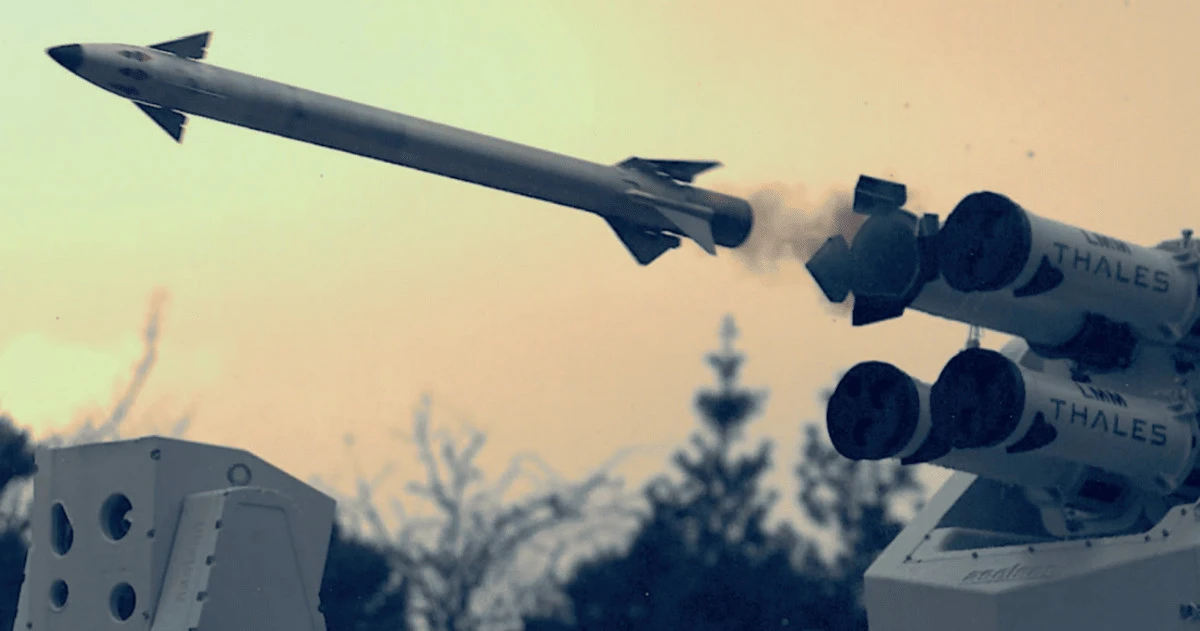
The MoD states that the missiles come from Thales in Belfast and that the radars are sourced from the UK and Europe. It has not identified the missile type or the radar models. Thales Belfast builds two short-range families: the Lightweight Multirole Missile (LMM), also known as Martlet, and the Starstreak high-velocity missile. The LMM is the Belfast product London has repeatedly supplied for Ukraine’s counter-drone mission, including more than 5,000 rounds under a £1.6 billion contract signed in March 2025 and a further 1,000 announced at the 33rd UDCG on February 12, 2026. The ministry’s description of systems already proven against jet-powered Shaheds fits the LMM, though this is unconfirmed.
Thales lists the LMM at 13 kg, with a speed above Mach 1.5 and an operational range of more than 6 km. It uses laser beam-riding guidance and a multi-effect warhead with a proximity fuze. The proximity fuze matters against small drones with minimal radar and infrared signatures, since it removes the need for a direct hit. The missile fires from portable launchers, vehicle-mounted systems such as RapidRanger and helicopters, which lets Ukraine spread point defense across cities and energy sites instead of tying it to fixed batteries.
Jet-powered Shahed variants tighten that engagement problem. Their higher speed compresses the time mobile fire teams have to detect, track and engage a target before it reaches a substation or a residential block. That is where the radars come in: short-range interceptors are only as effective as the cueing that puts a launcher on the right bearing in time. The MoD has not said whether the dozen-plus radars are early-warning, surveillance or fire-control sets, nor how they will connect to Ukraine’s existing air defense network.
Gripen Letter of Intent and Exercise Koalicja Widen UK Role
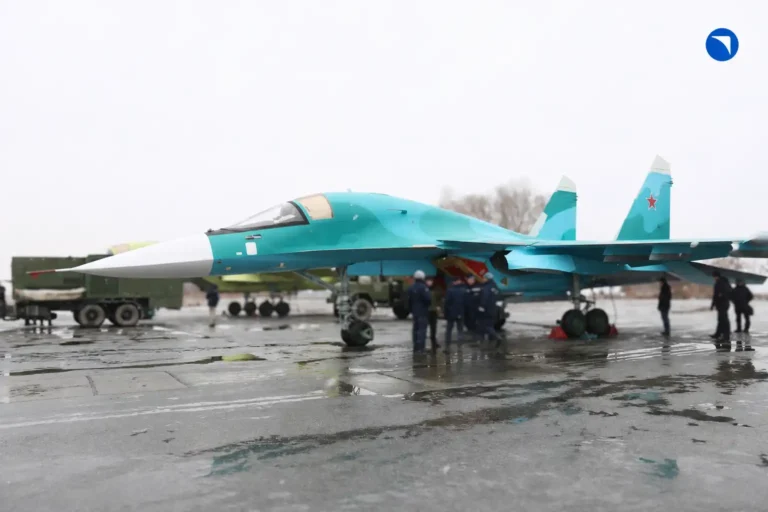
The air defense pledge came alongside two other British moves. The UK, Sweden and Ukraine signed a Letter of Intent committing to the principle of providing Swedish Gripen fighters to Ukraine, together with a range of combat-proven weapons. It follows €300 million in investment announced earlier this year to help deliver Gripens to Kyiv. According to the MoD, UK firms supply critical Gripen components, including the radar and landing gear, and more than 30% of each aircraft is manufactured in Britain. Open-source records show the Gripen E’s Raven ES-05 active electronically scanned array radar is built by Leonardo UK in Edinburgh.
The new document adds a British leg to the bilateral Letter of Intent that Sweden and Ukraine signed on October 22, 2025, covering a potential purchase of 100 to 150 Gripen E aircraft. The MoD disclosed no aircraft numbers, variants, financing or delivery timeline; the letter commits signatories to a principle, not a contract.
In parallel, the UK and France are leading Exercise Koalicja in Poland, the first major exercise of the Multinational Force Ukraine (MNF-U). Running from November 9 to 22 in southeastern Poland with about 2,800 personnel from 11 nations, the drill tests how to move, protect and supply a force that would help rebuild Ukraine’s armed forces once fighting ends.
Analysis: The package is weighted toward volume and cueing rather than high-end interceptors. Fielding low-cost, short-range missiles against Shaheds preserves scarcer long-range interceptors for ballistic and cruise missile threats, the core logic of layered defense. It also confirms Thales Belfast as a standing wartime production line for Ukraine. The limit is arithmetic: Ukrainian military intelligence put Russian output of jet-powered Geran-4 and Geran-5 drones alone at about 3,000 per month in August 2026, on top of piston-engined Geran-2s, so 1,000 missiles buys time through the coldest weeks rather than closing the gap. The radars may prove the more durable contribution if they improve detection-to-engagement times across the network.
Deliveries begin in mid-December. The UK Prime Minister is due to outline the remaining support from the £500 million Budget allocation at the Coalition of the Willing meeting on Thursday, November 19. Open questions: the confirmed missile type, the radar models, and whether the Gripen Letter of Intent will translate into a funded transfer with a defined schedule.