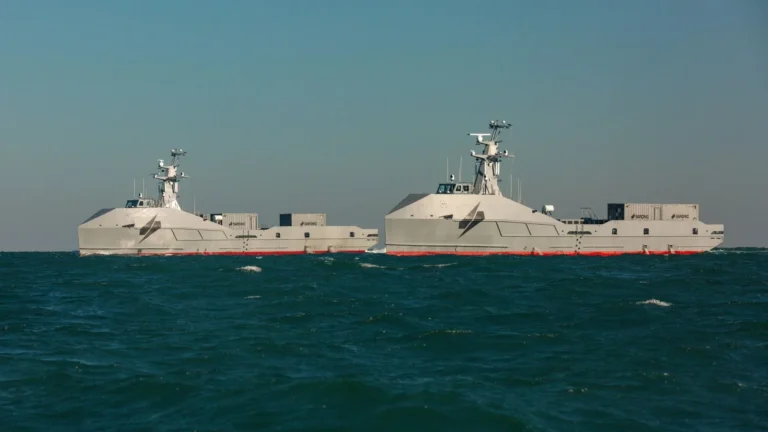
Ukraine’s private air defense groups, company-funded crews protecting their own sites, have destroyed nearly 90 aerial targets since spring 2026, the Ukrainian Ministry of Defense said on November 16, 2026. The same day, the ministry published a detailed explainer on how enterprises pay for the groups and obtain weapons, confirming that no state budget mechanism finances them.
The tally is up from more than 60 targets at the end of October. As of October 14, the ministry said nearly 100 companies had joined the scheme and about 50 groups had been formed. The pilot project rests on Cabinet of Ministers Resolution No. 1506 of November 19, 2025, which allows enterprises of any form of ownership to field air defense groups shielding staff, production sites and energy facilities that Russian drones strike repeatedly. The ministry says the model scales coverage quickly without adding load on Ukraine’s military air defense.
Ukraine Private Air Defense Funding Rests on Company Balance Sheets
Private air defense is financed from enterprise funds and other sources not prohibited by law. Depending on assigned tasks and terms agreed with the military, eligible expenses include the purchase, delivery and storage of equipment approved in a joint decision; training and mandatory certification of personnel; secure storage, protection and maintenance of the systems; and logistics such as vehicles, communications gear and consumables. Salaries under employment contracts also count.
Companies may add bonuses for group members from their own funds, with amounts set by the employer within the law. State-sector enterprises and operators of state-owned critical infrastructure face an extra constraint: such payments must appear in the enterprise’s financial plan or be agreed with the state body that manages the property.
No mechanism exists for direct budget financing of the groups, and no procedure provides compensation, subsidies, grants or reimbursement from the state budget. Authorization to conduct air defense tasks does not in itself create any right to state financial assistance.
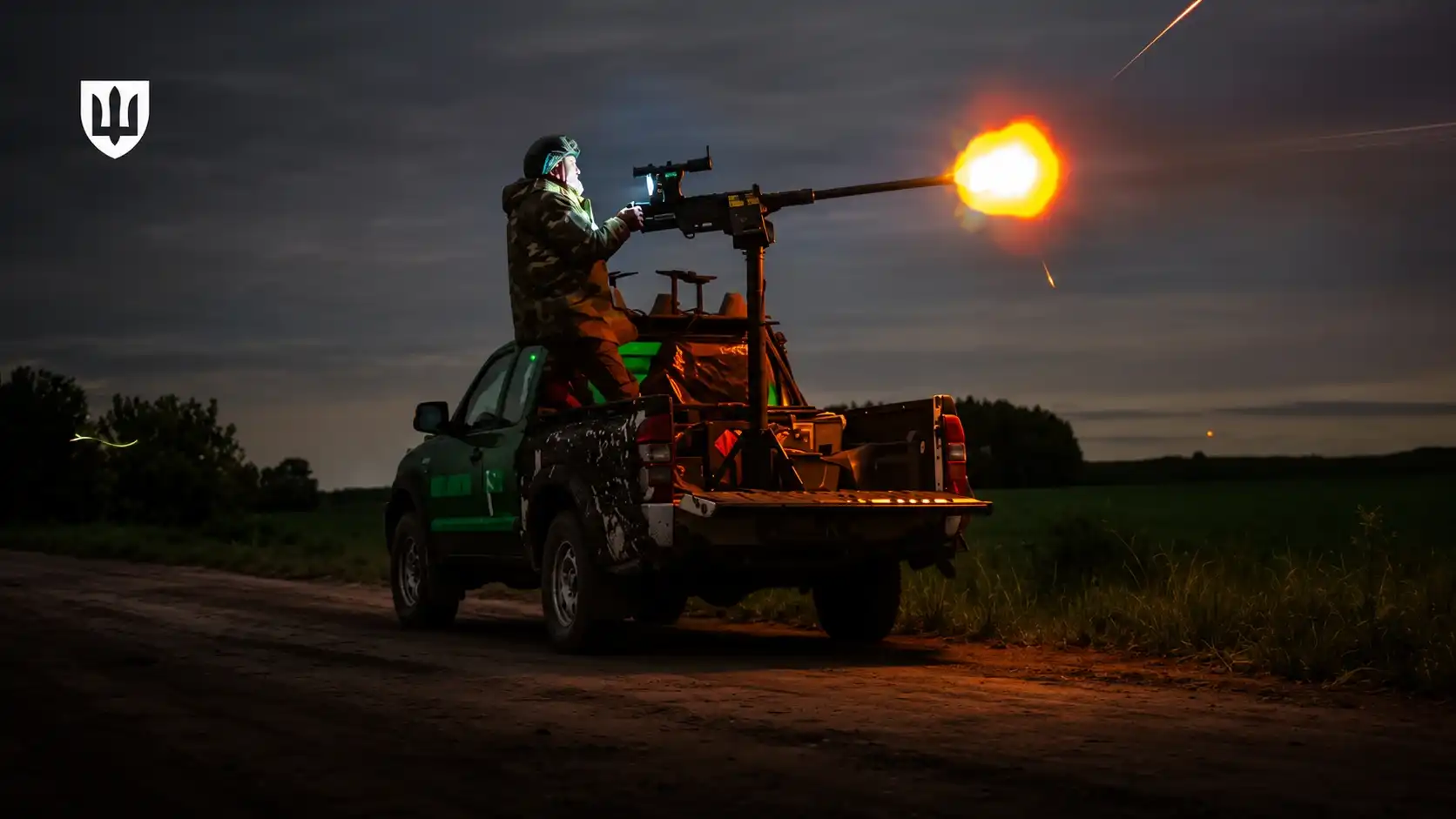
The groups mainly rely on interceptor drones and automated turrets fitted with heavy machine guns, according to the ministry. Turrets developed with the Brave1 defense innovation cluster since 2024 have engaged jet-powered Geran-5 and Banderol drones over Kyiv, but the short effective range of heavy machine gun fire confines them to point defense of a single site.
Air Force Command Controls Weapons Transfers and Ammunition Supply
Companies can buy equipment only from a nomenclature set by the Air Command of the Ukrainian Air Force in a joint decision. The list covers unmanned aerial systems, anti-aircraft missile weapons, anti-aircraft artillery, small arms and their ammunition, military and special equipment, and systems to detect, observe, warn, track and destroy air targets, including radar and electronic warfare equipment.
Military units can also lend assets temporarily. A transfer requires a decision of Air Force Command; the support service of the relevant military command body drafts the transfer order, and the unit commander hands over the equipment under acceptance acts. When equipment comes from a unit, that unit also supplies the ammunition, in quantities fixed by the joint decision and replenished only against documented expenditure during air defense missions. The joint decision governs storage, use, accounting, maintenance and return. Operationally, Air Force commands assign targets to each group according to its weapons and tasks.
The framework keeps widening. Resolution No. 290 of March 2, 2026 allowed Air Force Command to temporarily transfer air defense equipment and ammunition to enterprises, and Resolution No. 1361 of October 28, 2026, announced by the ministry on November 4, lets authorized companies protect other firms’ sites under contract, transfer assets among themselves under a joint decision with Air Force Command, use manned aircraft, employ warheads and electric detonators on interceptor drones, and recruit members from age 18 instead of 21. Defence City residents and companies designated critically important by the ministry also became eligible.
Analysis: The model turns the air defense of industrial sites into an operating cost carried by companies, while the military keeps control of targeting, weapons lists and ammunition. Tying ammunition replenishment to documented use preserves accountability over munitions the state cannot afford to lose track of. The financial design also means coverage follows corporate capacity rather than threat priority alone: large energy and industrial operators can field crews, smaller firms cannot, a gap the new contract-protection clause partly addresses. Against a national air defense that intercepted more than 8,000 drones and missiles in October 2026 alone, nearly 90 kills since spring is marginal in volume. The value lies in last-layer local protection that frees military crews and interceptors for higher-priority threats, and in a legal and financial template that European governments protecting critical infrastructure against drones will study closely.
Key unknowns remain. The ministry has not broken down the nearly 90 kills by weapon, target type or group, nor said how many groups are currently on combat duty. Resolution No. 1506 runs the experiment during martial law for no longer than two years from its entry into force, which places a decision on extension or permanent legislation around November 2027. The next indicators are uptake of the contract-protection provision and whether the government revisits the absence of compensation for participating companies.