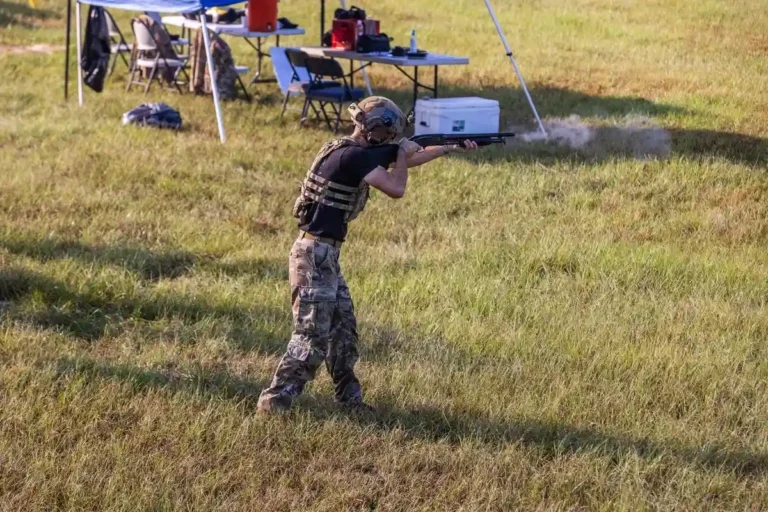
Soldiers from the 101st Airborne Division (Air Assault) integrated drone-delivered munitions into live-fire training at Fort Campbell, Kentucky, from November 2 to 8, 2026, pairing the Drone Agnostic Release Kit (DARK) with the experimental BLADE drone munition (Broad Lethality Air Deployed Effects). The effort was led by Delta Multi-Purpose Company, 1st Battalion, 502nd Infantry Regiment, 2nd Mobile Brigade, a unit that has spent the past year turning its small unmanned aircraft systems (UAS) from observation tools into strike assets.
The exercise comes as the Army pushes lethal small drones down to company level. The war in Ukraine has made armed quadcopters and drop munitions a routine feature of ground combat, and the Army Combat Capabilities Development Command (DEVCOM) Armaments Center has answered with a family of drone lethality standards and kits, including the Picatinny Common Lethality Integration Kit (CLIK) design standard and the Munitions Air-dropped Lethal Effects Tool (MALET) mortar conversion kit. The 101st, whose 2nd Brigade was the first Army unit to convert to the mobile brigade combat team (MBCT) structure under the Transformation in Contact initiative, is now generating its own solutions in parallel.
How the DARK Kit and BLADE Drone Munition Work Together
DARK, developed by Orbital Research, is a modular release mechanism designed to let different unmanned aircraft carry and drop a range of payloads without a dedicated release system for each airframe. According to the Army, it supports both lethal and nonlethal loads, including explosive munitions, smoke grenades and other mission-specific equipment. The approach addresses a practical problem: a release mechanism tied to a single airframe has to be duplicated for every drone type a unit operates.
Orbital Research is not new to drone weaponization. The company built a hunt-kill-return system around drop-glide munitions, fuzes, a common tail section and a modular payload release system, and received more than $9 million in September 2022 through the Accelerate the Procurement and Fielding of Innovative Technologies (APFIT) program run by the Office of the Under Secretary of Defense for Research and Engineering. The Army has not stated whether DARK derives directly from that earlier release hardware.
BLADE is the effector half of the pairing. The Army describes it as an experimental munition designed specifically for UAS, and Moberly says it is intended to deliver effects comparable to conventional military munitions while offering additional options against different types of threats. Key parameters remain undisclosed, including manufacturer, warhead mass, fuzing, explosive fill and whether BLADE conforms to the CLIK interface standard. The designation should not be confused with the Ballistic Low Altitude Drone Engagement system, a separate counter-UAS prototype the Army has tested in Europe.
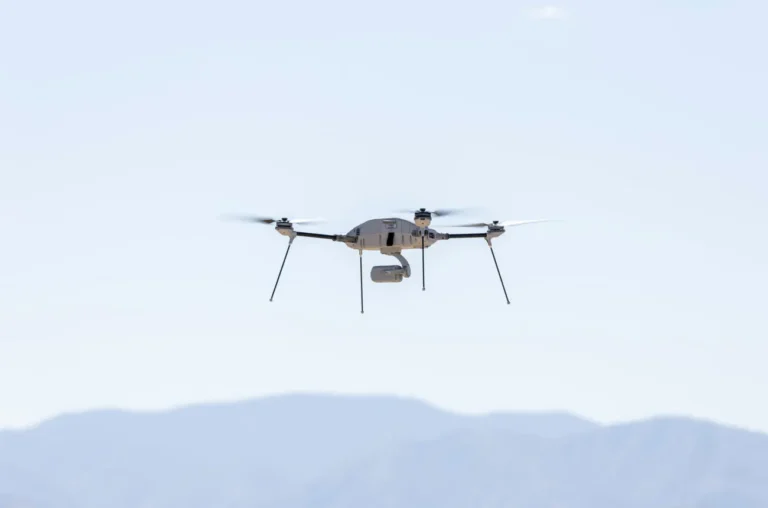
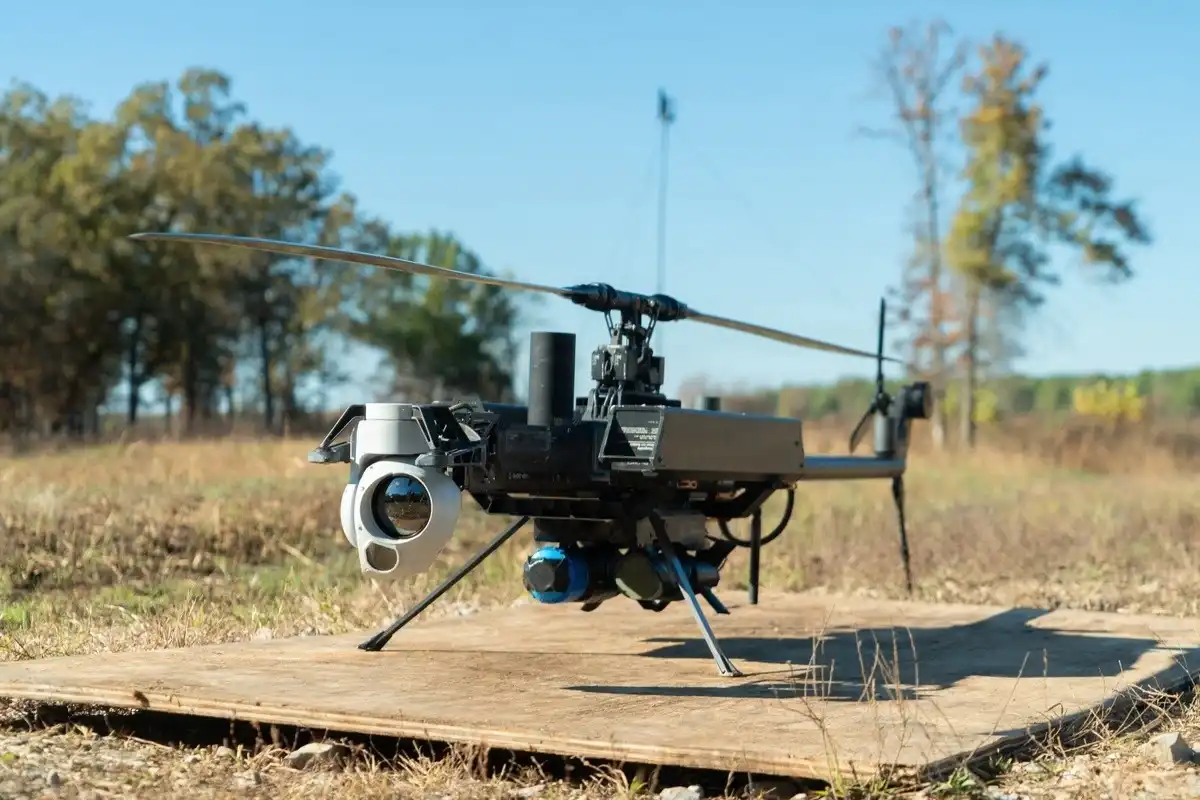
During the Fort Campbell live fire, the company’s Advanced Reconnaissance and Effects Systems (ARES) platoon flew aerial reconnaissance and dropped smoke and explosive munitions in simulated combat scenarios supporting maneuver units. Army photos from the November 6 training show an Anduril Ghost-X unmanned aircraft fitted with a payload delivery system, ready for flight; the Army has not detailed which airframes carried DARK across the full event.
From Widowmaker to BLADE: How Wardog Company Armed Its Drones
The DARK and BLADE integration builds on a Soldier-built predecessor. During the company’s 2025 rotation to Europe, which included operations in Poland and the Combined Resolve 26-1 exercise at Hohenfels, Germany, Soldiers designed the Widowmaker, a 3D-printed dropper mounted on the PDW C100 quadcopter. The device released M67 fragmentation grenades, M18 smoke grenades and training rounds. Built in-house with commercial 3D printers, it was later shared with the division’s innovation lab.
Capt. Jacob Moberly, the company commander, credited leadership latitude for the progression. “This capability we are demonstrating in collaboration with our maneuver live fire exercise proves that we are closing the gap in capability with lethal UAS,” Moberly said. The gap is structural: Army infantry formations have long fielded small drones mainly for reconnaissance, while forces in Ukraine have normalized the armed quadcopter as an organic infantry weapon.
The technical step matters. A grenade dropper repurposes hand grenades whose time-delay fuzes were designed to be thrown, not dropped from a drone. A purpose-built UAS munition is designed around aerial delivery from the start, the role the Army describes for BLADE.
Analysis: The Fort Campbell event illustrates a two-track model for Army drone lethality: Soldier-built expedients prove a concept quickly, then industry and DEVCOM hardware replace them with safer, standardized kits. The release kit may prove the more consequential half. Munitions will multiply across vendors and DEVCOM programs; a drone-agnostic release interface is what lets a battalion employ them across a mixed fleet without separate integration work for each airframe. Explosive payloads on small drones still have to clear Army safety review, and the pace at which DARK and BLADE clear that process will decide whether this stays a 101st capability or spreads across the force.
Moberly said he wants every Army unit operating the same UAS to integrate the capability. The next milestones are not public: the Army has not announced a procurement decision, a program of record pathway or a fielding timeline for DARK or BLADE, and BLADE’s technical specifications remain unreleased.