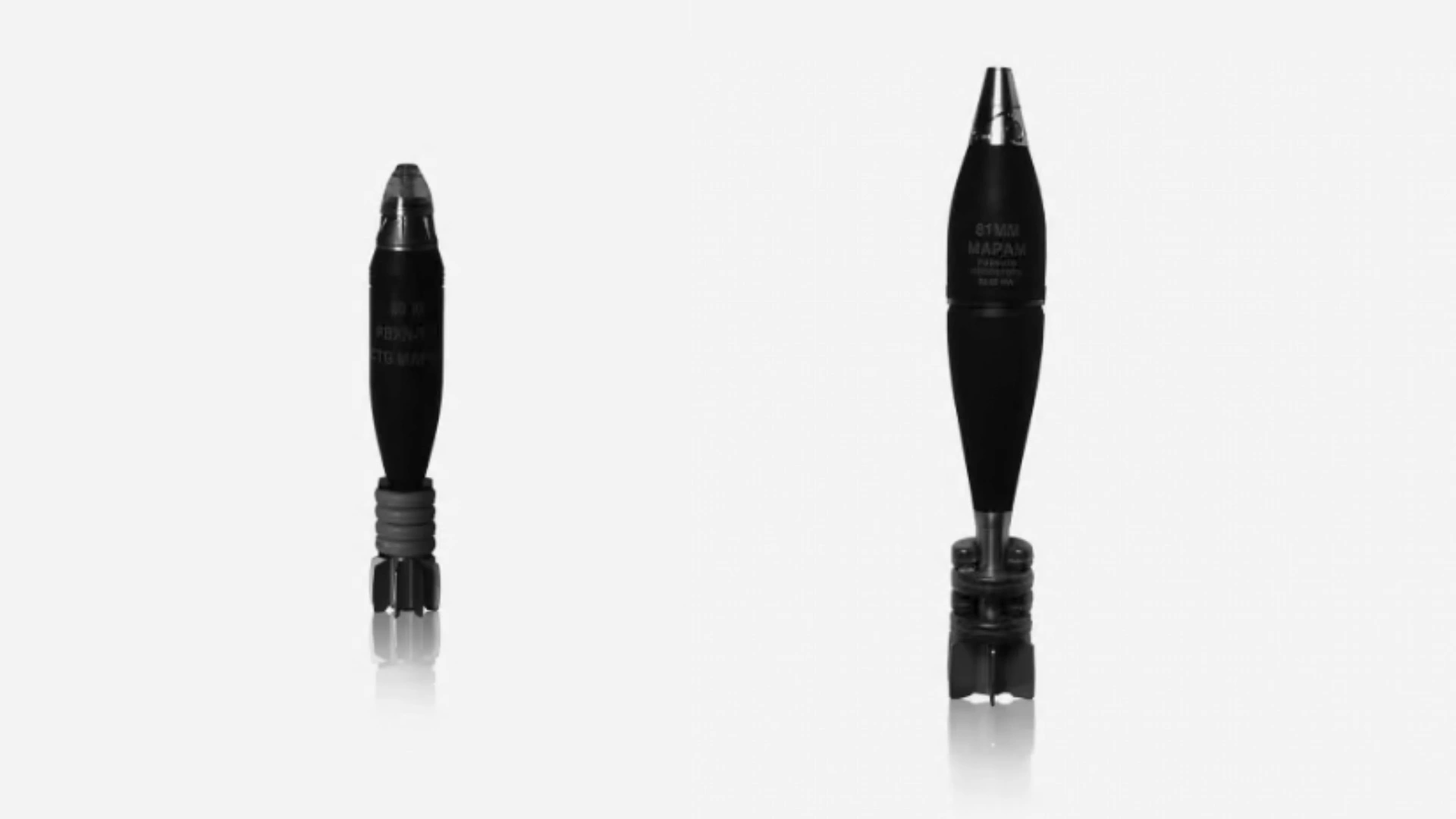
Saab signed a licensing agreement on November 20, 2026, with Zakłady Metalowe Dezamet, a subsidiary of Polska Grupa Zbrojeniowa (PGZ), covering the production and sale of MAPAM mortar munitions in Poland. The agreement delivers the first industrial cooperation and technology transfer commitment Saab owes Poland under the offset package attached to the Orka submarine program. Saab offers the pre-fragmented MAPAM round in 60 mm and 81 mm calibers, and no production order has been placed yet.
Poland’s State Treasury Armaments Agency signed a SEK 47 billion ($4.8 billion) contract with Saab on June 29, 2026, for three A26 submarines, including weapons, training, and support packages, with final deliveries scheduled for 2038. The industrial return terms sit in a separate agreement between Saab and the Polish Ministry of Economic Development and Technology covering an industrial cooperation and investment package. Offset terms were the last point resolved before the submarine contract was signed, and the Dezamet license is the first of those commitments to be converted into a signed industrial arrangement.
Saab MAPAM Mortar Munitions: Pre-Fragmented Design and Specifications
MAPAM, for Mortar Anti-Personnel Anti-Material, was developed by Saab Bofors Dynamics Switzerland. Instead of relying on the random fragmentation of a conventional steel shell body, the round carries a pre-fragmented payload that produces a predictable lethal radius. That design choice gives fire planners tighter control over effects near friendly troops and civilians, a recurring constraint in close-support and urban fire missions.
Saab markets MAPAM in 60 mm and 81 mm calibers. Data sheets for rounds produced under Saab Bofors Dynamics Switzerland license indicate the 60 mm round measures 402 mm, weighs 1.97 kg fuzed, and reaches from 100 m to 3,500 m with a muzzle velocity of 76 to 250 m/s. It carries 317 g of PBXN-110 or Composition B and holds the US type reference M1061. The 81 mm round measures 512 mm, weighs 4.11 kg, and ranges from 130 m to 5,500 m with a 610 g fill, a lethal zone under 55 m, and a total safety zone beyond 450 m. Both are compatible with NATO smoothbore mortars and in-service fuzes. Those data sheets claim up to 100 percent greater lethality than conventional rounds, while Saab’s own product page describes MAPAM as three times more effective than a conventional mortar round; neither figure has been independently verified. Saab’s 120 mm THOR round extends the same fragmentation concept to heavy mortars.
What the Dezamet License Means for Polish Mortar Production
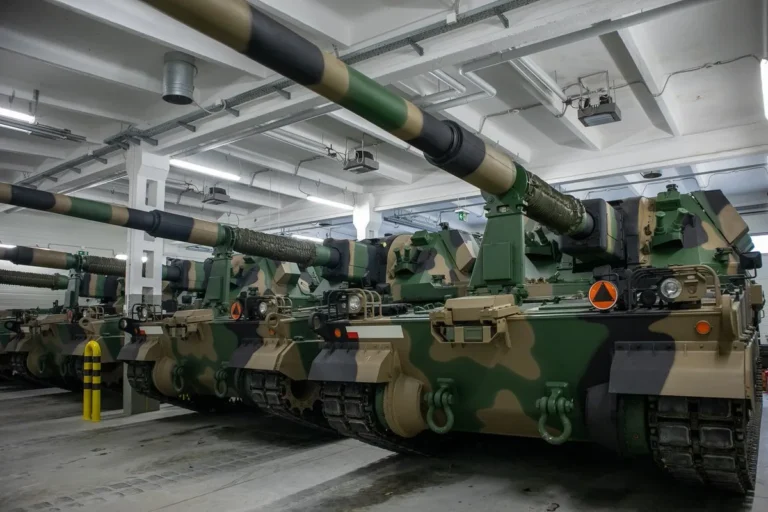
Dezamet, based in Nowa Dęba in southeastern Poland, already produces 155 mm artillery ammunition for the Krab self-propelled howitzer, Rak-HE-1 120 mm rounds for the Rak self-propelled mortar, and 98 mm and 60 mm mortar ammunition, including the O-LM60 high-explosive round. MAPAM adds a higher-effect fragmentation technology to a production base that is already qualified for Polish Armed Forces mortar calibers.
Several parameters remain undisclosed. Saab has not stated which MAPAM caliber Dezamet will build, the financial value of the license, production volumes, or whether sales rights extend beyond the Polish market. No order has been placed. Claudio Penna, Managing Director of Saab Switzerland, said the company now looks forward to “securing orders that will allow us to take this programme to the next stage.”
Analysis: The license is a small line item against a SEK 47 billion program, but it is the first point at which the Orka industrial package delivers a technology transfer to Polish industry. Caliber fit matters. Poland’s towed medium mortar, the M-98, uses a 98 mm caliber rather than the 81 mm caliber common across NATO, while the 60 mm MAPAM round aligns directly with Dezamet’s existing 60 mm line, making it the more straightforward candidate. Until an order arrives, the agreement transfers a capability rather than starting a production run.
The next decision point is an Armaments Agency order, which would set caliber, quantities, and delivery timelines. Further Orka offset deliverables, including a planned Saab and PGZ joint venture for in-country submarine maintenance, will show whether the industrial package keeps pace with the submarine contract.