German military aid to Ukraine has reached €34.35 billion since 2022, according to figures released by Ukraine’s Ministry of Defence on November 23, 2026. The 2026 tranche alone reached €11.55 billion, which Kyiv says represents roughly one third of all support it received from partners this year.
The figures land as Berlin’s 2027 federal budget earmarks €11.6 billion for Ukraine, keeping German support at a record level. Medium-term planning approved by the German cabinet on April 29, 2026, however, foresees a drop to €8.5 billion per year from 2028 through 2030, with Finance Minister Lars Klingbeil pointing to the €90 billion European Union loan for Ukraine as the instrument expected to absorb part of the gap. Kyiv is now working to expand joint production with German defense companies and attract financing for Ukraine’s defense industry.
German Military Aid Grows Sixfold With Air Defense at Its Core
The ministry’s year-by-year breakdown shows a steady climb: €2 billion in 2022, €5.4 billion in 2023, €7.1 billion in 2024, €8.3 billion in 2025, and €11.55 billion in 2026. Annual outlays have therefore grown nearly sixfold over five years.
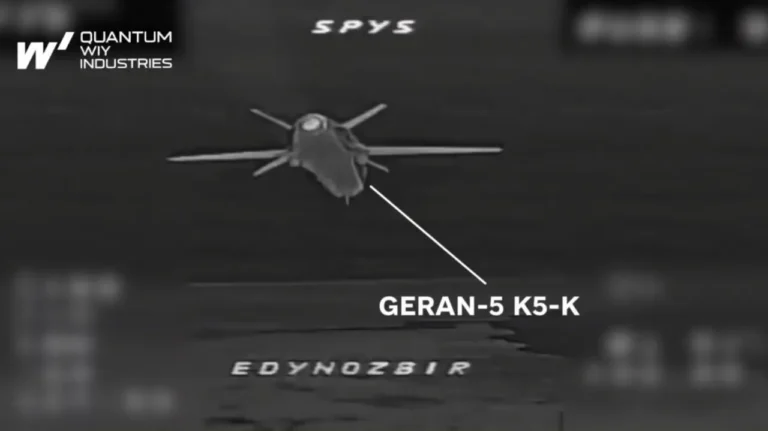
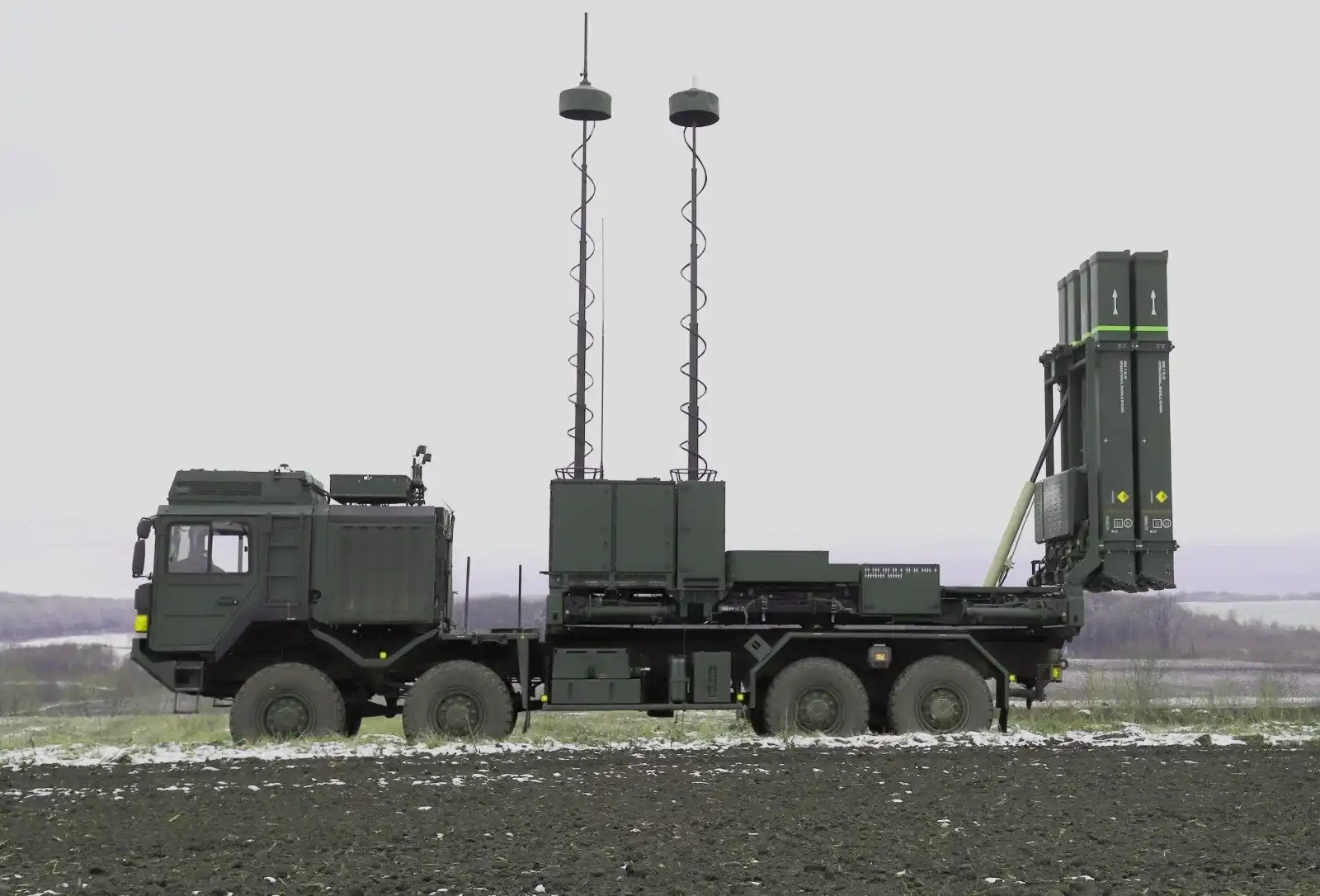
Air defense remains the center of gravity of the German contribution. Berlin supplies IRIS-T and Patriot systems along with their interceptors, repairs PAC-2 missiles, and has joined the procurement of PAC-3 interceptors. It also maintains Ukraine’s Gepard self-propelled anti-aircraft guns. Germany has further contributed €20 million to a fund developing interceptor drones against jet-powered Shahed variants.
Coordination extends beyond bilateral transfers. Germany belongs to eight of the capability coalitions that organize allied support to the Defence Forces of Ukraine and leads three, including the Integrated Air and Missile Defence (IAMD) Coalition. Its other memberships cover electronic warfare, drones, armored vehicles and maneuverability, artillery, demining, maritime capability, and IT. The ministry did not identify the other two coalitions under German leadership.
Build With Ukraine and Joint Production Reshape Industrial Ties
The legal framework has thickened in parallel. The 10-year Security Agreement signed on February 16, 2024, was followed by a Memorandum of Understanding on Defence Industrial Cooperation on October 15, 2025, an arrangement on February 14, 2026, integrating Ukrainian instructors into Bundeswehr training schools and centers, and an April 14, 2026, arrangement on sharing battlefield data and weapons employment data. On June 18, 2026, the two governments launched an anti-ballistic program under the industrial memorandum, centered on data and technology exchange.
Germany is also the leading partner under the Build with Ukraine model, with five projects worth a combined €1.1 billion. All five are joint ventures funded by the German federal government and producing unmanned systems on German soil: Linza UAVs (December 17, 2025), Anubis and Seth-X UAVs (April 14, 2026), TerMIT unmanned ground vehicles (June 18, 2026), Bars jet-powered UAVs (July 8, 2026), and Rys PRO UGVs (October 21, 2026). Company-level cooperation further spans IRIS-T supply, 25 mm and 40 mm air defense systems, 155 mm artillery, and serial production of long-range strike systems for Ukraine.
For 2027, Kyiv lists drone production, air defense, and the FREYJA anti-ballistic initiative as the most promising areas. The scaling effort under discussion includes production in Ukraine of Leopard tanks, Marder infantry fighting vehicles, Gepard guns, PzH 2000 self-propelled howitzers, Biber bridge layers, and Bergepanzer armored recovery vehicles, plus licensed UAS and UGV production in Germany and German components and chassis for Ukrainian products. The ministry did not detail FREYJA’s scope or its relationship to the June 2026 anti-ballistic program.
Analysis: German support is shifting from stock transfers toward co-production, and the budget trajectory explains why. With bilateral funding set to fall by roughly 27 percent after 2027, Build with Ukraine joint ventures and licensed production turn one-off appropriations into industrial capacity that outlasts the funding peak. Hosting production of combat-tested Ukrainian drones also feeds Bundeswehr learning, a logic reinforced by the instructor and data-sharing arrangements. The constraint is scale: €1.1 billion across five projects remains small next to annual aid, and building heavy German platforms inside Ukraine would expose new production lines to Russian long-range strikes.
The next milestones are the finalization of the Drone Deal framework, under which Ukraine would sell combat-proven drones, technology, and combat experience to allies through joint ventures, and the 2028 transition to lower bilateral funding. Whether Leopard or PzH 2000 production in Ukraine moves from stated intent to signed contracts remains unconfirmed.