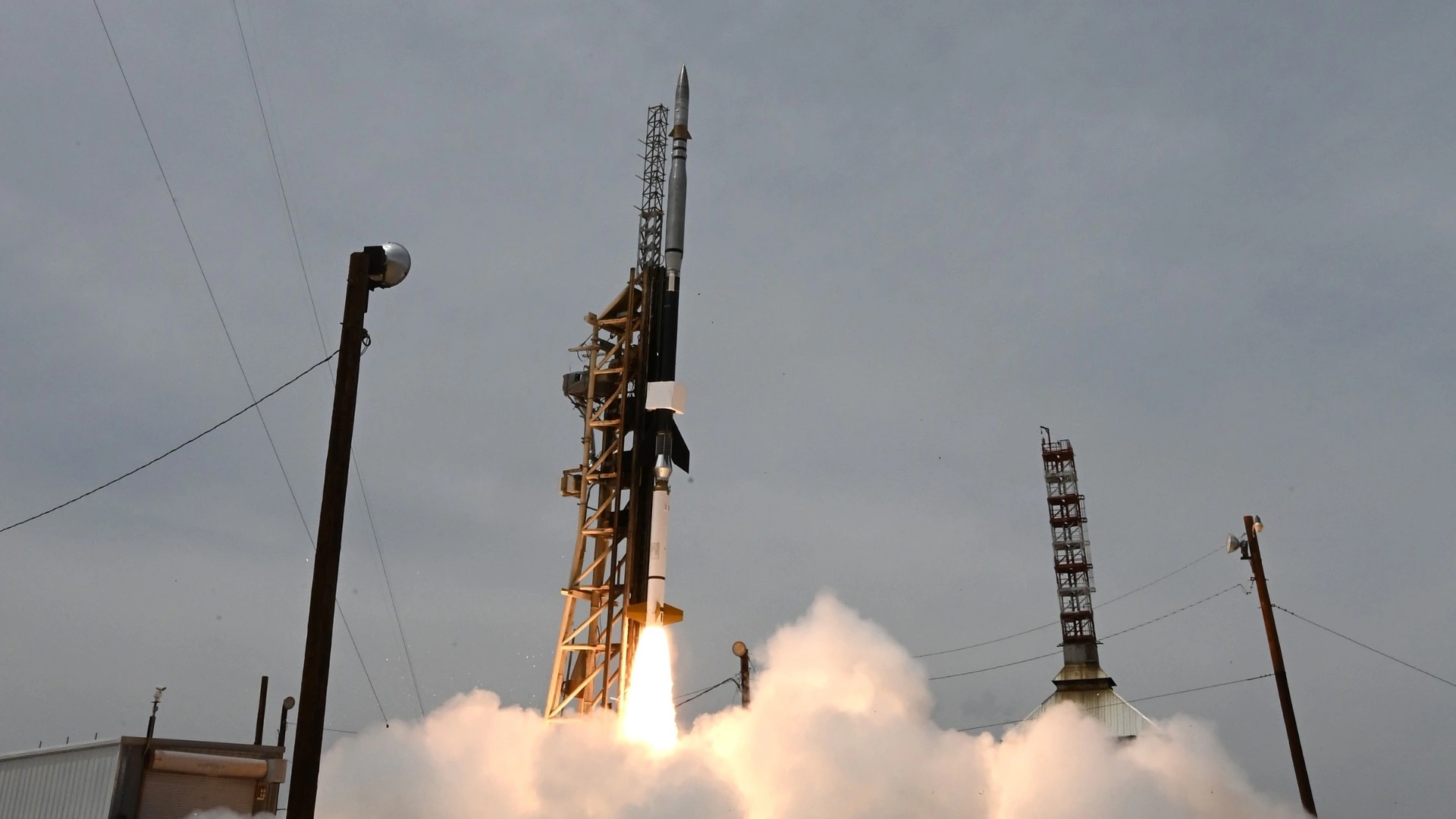
The Australian state of Queensland has awarded Lockheed Martin Australia A$6.38 million to build a mobile launch rail and supporting test equipment for high-speed and hypersonic flight testing, Deputy Premier Jarrod Bleijie announced on October 29, 2026. The funding comes from the state’s A$180.6 million Sovereign Industry Development Fund and also covers a Queensland-made rocket motor capability. Lockheed Martin Australia leads a team that includes the University of Queensland, Airways Trade Australia and Rocket Technologies International.
The award addresses a persistent constraint in hypersonic development: affordable access to flight data. Full-scale flight campaigns are costly and infrequent, and Australian firms are moving to sell cheaper alternatives. On September 8, 2026, Queensland-based Gilmour Space Technologies and Hypersonix announced an agreement to develop hypersonic flight-test options for defense and commercial customers. The same state fund has also committed A$7.5 million to Black Sky Aerospace’s MaxQ test and evaluation range near Thargomindah. The Lockheed Martin award sits at the early-stage end of that market.
Inside the Mobile Launcher Built for Hypersonic Flight Testing
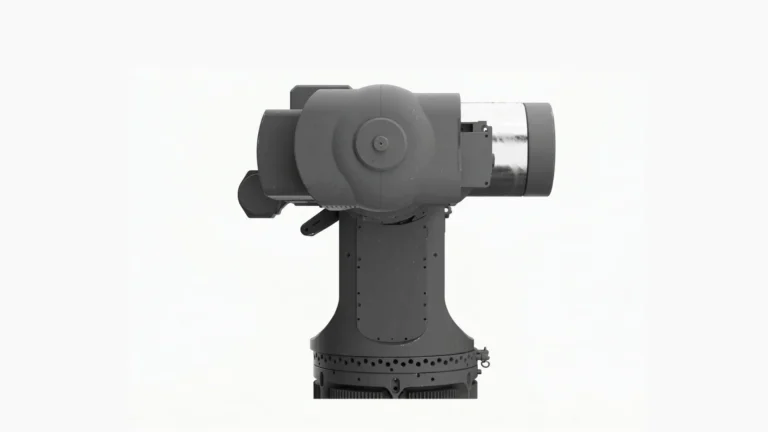
The consortium will build a deployable launch rail along with telemetry, communications and payload-assembly equipment. Lockheed Martin Australia describes the platform as highly configurable and says it can be staged at any Queensland test site. Instead of tying experiments to one fixed range, developers could in principle match a launch location to a trajectory, safety footprint or recovery area.
The system is intended to support flights up to hypersonic speeds, which begin at Mach 5, but the first step is more modest. The company says the effort will create a pipeline of low-cost rocket boosters, starting with sub-Mach 5 systems. The platform is an experimental test asset, not an operational hypersonic capability.
The published announcements do not give the rail’s length, motor class, propellant type, payload mass, apogee or target flight profiles. No test site has been named, and officials have not said whether the A$6.38 million covers the full project cost.
The partners also point to land-based recovery as a benefit. Telemetry records how a vehicle behaved in flight, while recovered hardware lets engineers examine thermal damage and material response directly. Lockheed Martin Australia says the approach will reduce time and risk ahead of larger, more expensive test campaigns. Major General (Retd) Jeremy King, chief executive of Lockheed Martin Australia and New Zealand, said the partnership would support the defense sector by “accelerating the development, testing and validation process.”
How Queensland Partners Are Building a Local Rocket Motor Base
Rocket Technologies International will design and build the motors for the first series of flights. Chief Executive Allan Payne called local rocket manufacturing “a critical step forward for Australia’s long-term sovereign defence preparedness and industrial resilience.” The company developed the Helidon Rocket Test Site with the University of Southern Queensland. A 2022 capability sheet published through the Queensland government lists the company’s horizontal test pads rated up to 200 kilonewtons and a vertical pad rated up to 1 meganewton. Those figures describe static test infrastructure, not the motors planned for this program.
The University of Queensland brings direct flight-research experience. It took part in the Hypersonic International Flight Research Experimentation program, including a 2012 experiment at Mach 8 launched in Norway from a mobile launcher supplied by the German Aerospace Center. A later flight in the series took place at Woomera, South Australia, in 2017. The specific role of Airways Trade Australia has not been detailed.
Lockheed Martin Australia says the platform will give Australian and international industry, academia and government users access to high-speed test ranges across Queensland, and could support collaboration with AUKUS, the Quad and other partners. Hypersonics fall within AUKUS Pillar II, although no allied program has been publicly linked to the launcher.
Analysis: A$6.38 million is a small sum by hypersonic program standards, and the project’s value depends on cadence rather than scale. If the rail can fly inexpensive experiments often, it could filter out weak designs before they consume time on larger ranges. Local motor production may prove the more durable outcome, since imported propulsion exposes Australian programs to export controls and foreign supply constraints. The launcher also enters a contested domestic field that includes Bowen, Thargomindah and South Australia’s Koonibba range, so customer demand and flight rate will determine whether Queensland can sustain several test providers.
The next milestones are the selection of a first test site, completion of the initial motor design and a first-flight date, none of which has been published. Elsewhere in Queensland, Black Sky plans to begin MaxQ construction in late 2026 and start operations in 2028, while Gilmour Space was awaiting regulatory approval for its first hypersonic mission as of September. The practical test for the Lockheed Martin team will be whether its early flights attract users beyond the consortium.