The Royal Navy has agreed a multi-million pound contract with British defence software firm Arondite to deploy its Cobalt mission orchestration platform across UK Commando Force (UKCF), the Ministry of Defence (MoD) announced on November 12, 2026. Chief of the Defence Staff Sir Richard Knighton unveiled the deal aboard the aircraft carrier HMS Prince of Wales during the Atlantic Future Forum, alongside Arondite’s plan to invest £35 million over five years in a new office in Oslo.
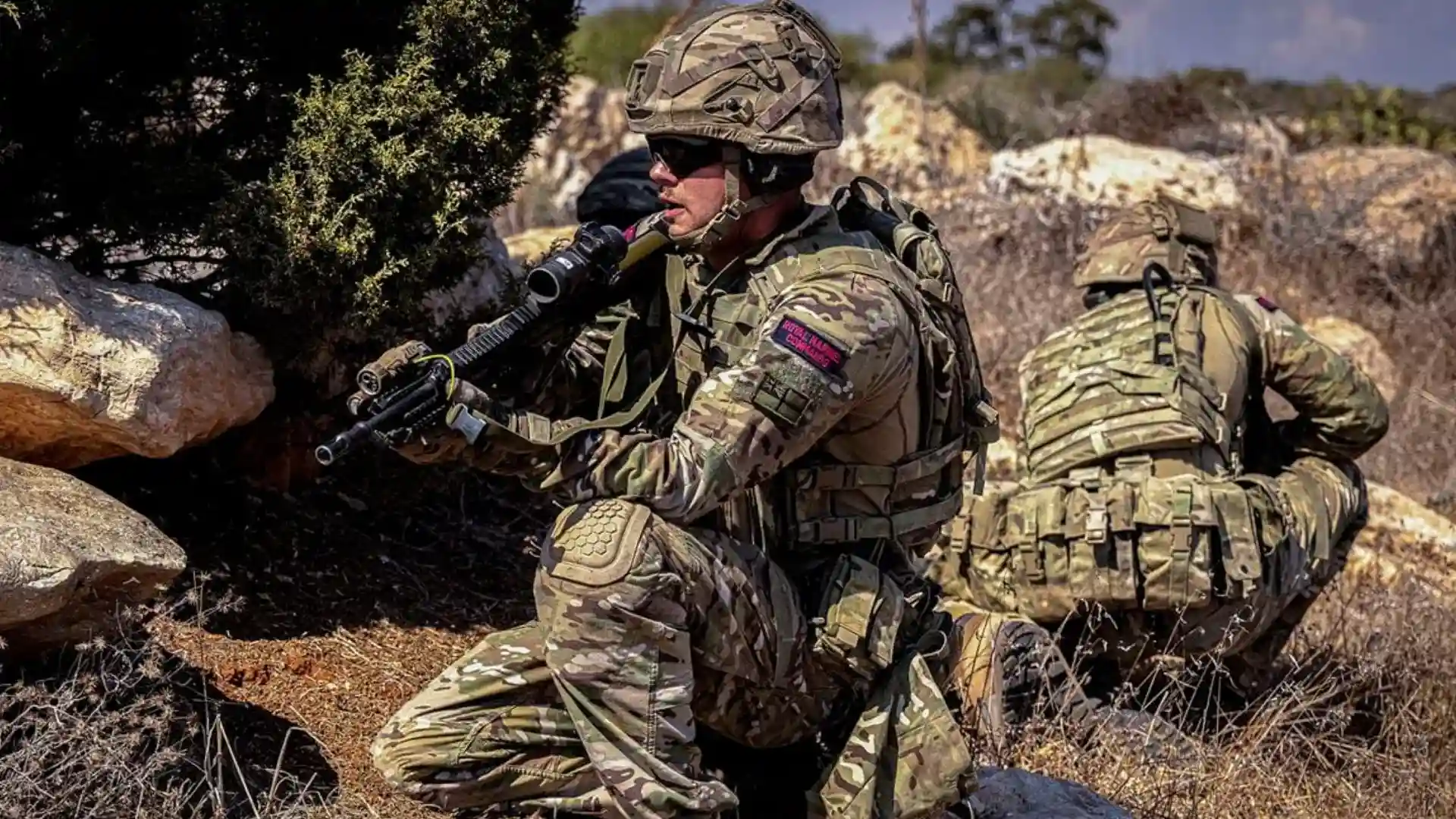
The contract lands as UKCF, the Royal Marines’ amphibious strike formation, receives a £100 million capability uplift under the UK Defence Investment Plan, which commits £298 billion to defence over the next four years. The MoD says the funding will let the force develop future warfighting capabilities for special maritime and amphibious operations across the High North within the Joint Expeditionary Force (JEF), the UK-led coalition of 10 northern European nations. The ministry has not disclosed the contract’s value, its duration, or which UKCF units and systems are in the first tranche.
How Arondite Cobalt Integrates UK Commando Force Sensors and Drones
According to the MoD, Cobalt fuses every UKCF sensor, autonomous platform and data feed into a single fighting system, applying AI to speed decision-making in complex and contested environments. Arondite markets the software as an enterprise platform for orchestrating autonomy-native, AI-enabled operations, built to compress sense-to-effect chains across the mission lifecycle.
The design is hardware-agnostic. Arondite builds no airframes or vessels; it supplies the integration layer that lets one interface oversee mixed fleets of drones, robotic systems and sensors from different manufacturers. Arondite’s G-Cloud procurement listing indicates that Cobalt runs through a browser-based graphical interface and can be hosted in public, private or hybrid cloud environments. Neither the MoD nor Arondite has detailed how the software performs at the tactical edge, which computing hardware and communications bearers commandos will carry, or how the system degrades under jamming. Those gaps matter for a force built to fight in small, dispersed teams inside an adversary’s electronic warfare envelope.
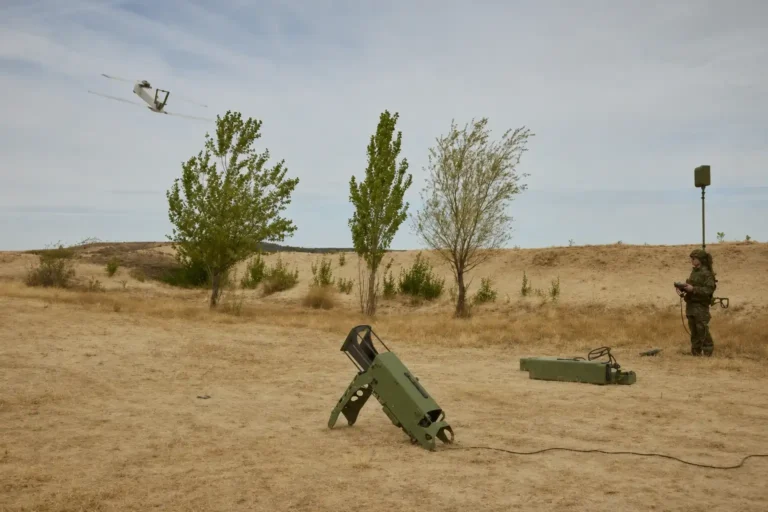
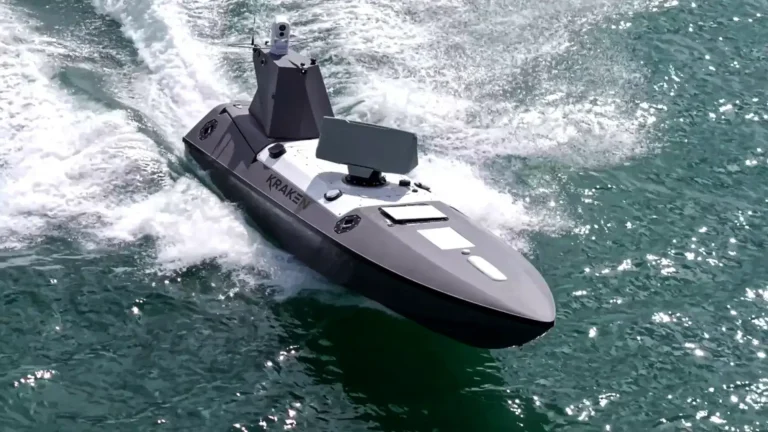
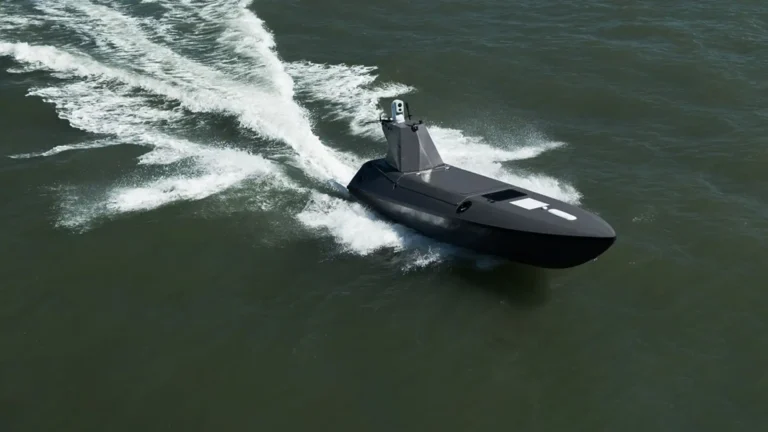
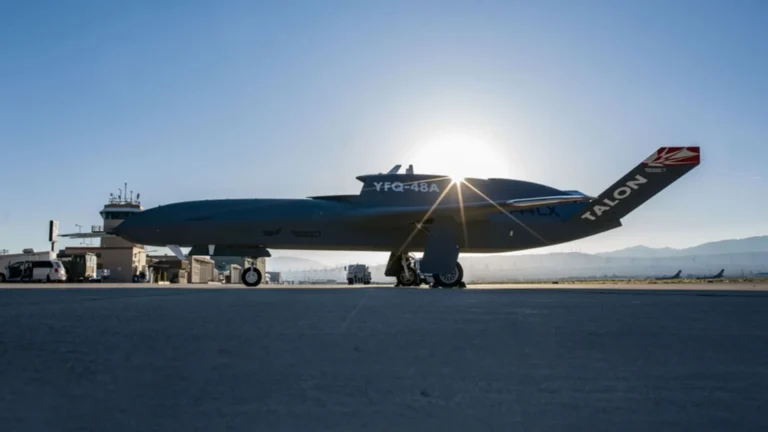
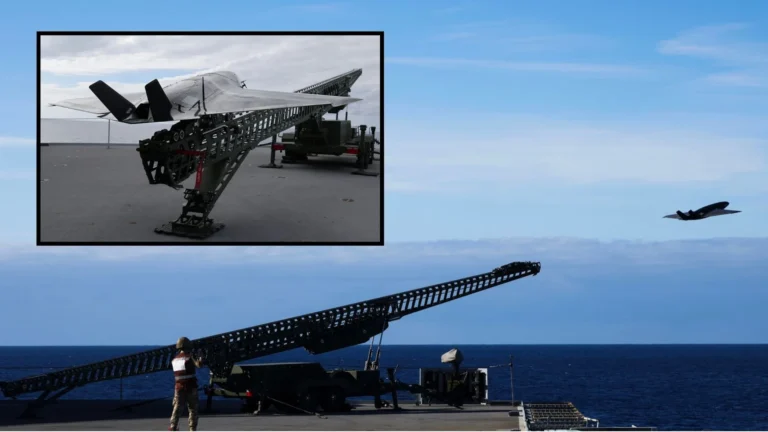
The operational case centers on operator load. A commando raiding team in the littoral can field small uncrewed aircraft, uncrewed surface vessels and unattended ground sensors, each typically controlled through its own vendor-specific ground station. Collapsing those feeds into one picture frees personnel and shortens the path from detection to engagement. Knighton said Cobalt would bring commandos’ “sensors, autonomous platforms and data together so that they can make decisions faster than any adversary.”
The MoD also frames Cobalt as a coalition tool, intended to coordinate UKCF with other UK units and JEF partner forces and to allow new hardware and AI capabilities to be inserted rapidly. UKCF and Arondite will open the platform to Norwegian units for joint testing during upcoming deployments, in line with the JEF Northern Navies Initiative announced by the First Sea Lord at the forum. The deal follows a Cobalt contract for the British Army’s 16 Air Assault Brigade announced in March 2026.
Arondite’s £35 Million Oslo Expansion on NATO’s Northern Flank
Oslo will be Arondite’s first office outside the UK. The £35 million, five-year commitment is meant to scale its work with the Norwegian Armed Forces, Norwegian industry and NATO allies. Arondite says it is on track to double its headcount to 150 employees by summer 2027.
The commitment is large relative to the company’s disclosed capital. Arondite’s co-founders are chief executive Will Blyth, a former British Army officer who later worked at Palantir and Helsing, and chief technology officer Rob Underhill, formerly a lead engineer at BAE Systems. The company announced $12 million in funding led by Index Ventures in May 2025. The company has not said how the Norwegian program will be financed.
The geography is deliberate. Norway anchors NATO’s northern flank, and UK Commando Force deploys to northern Norway every year for Arctic training, operating since 2023 from Camp Viking near Øverbygd. Blyth said Norwegian forces are “working side-by-side with UK Commandos every day.” The MoD tied the expansion to deepening bilateral integration, citing the Lunna House agreement and the combined Type 26 anti-submarine frigate fleet that followed Norway’s 2025 selection of the British design, a deal supporting 4,000 UK jobs.
Analysis: The contract shows the MoD buying the connective layer as a capability in its own right rather than as an afterthought to platform programs. For a light, dispersed amphibious force, one more drone adds little if it demands its own operator and data silo; a common orchestration layer turns a growing inventory of commercial autonomy into a coherent kill chain. Seeding the same software with Norwegian units before a crisis also targets a chronic coalition weakness: allies arriving on exercise with incompatible command and control. The risks are clear: reliance on a young scale-up for a core command function, undisclosed resilience against electronic attack, and no public detail on links to existing UK command and control systems.
The next marker is Norwegian joint testing during upcoming UKCF deployments. The MoD has not confirmed when that testing will begin. Other markers include the Oslo opening, the 150-employee target, and whether other JEF navies adopt Cobalt. Contract value and the rollout schedule across UKCF units remain undisclosed.