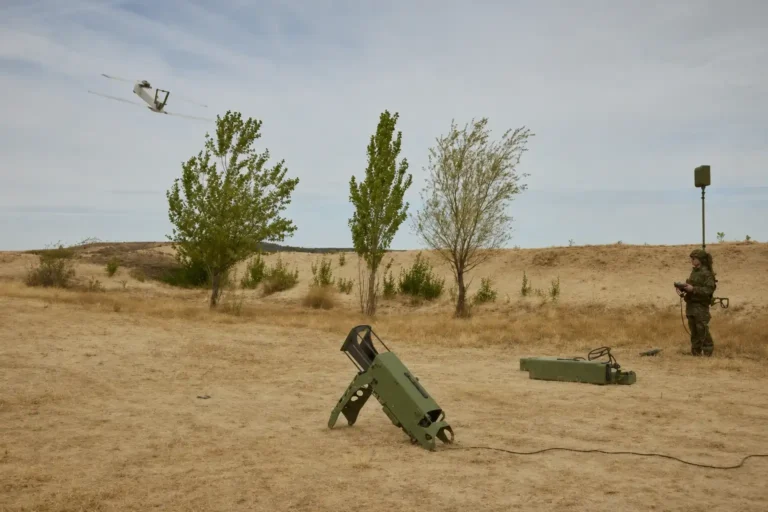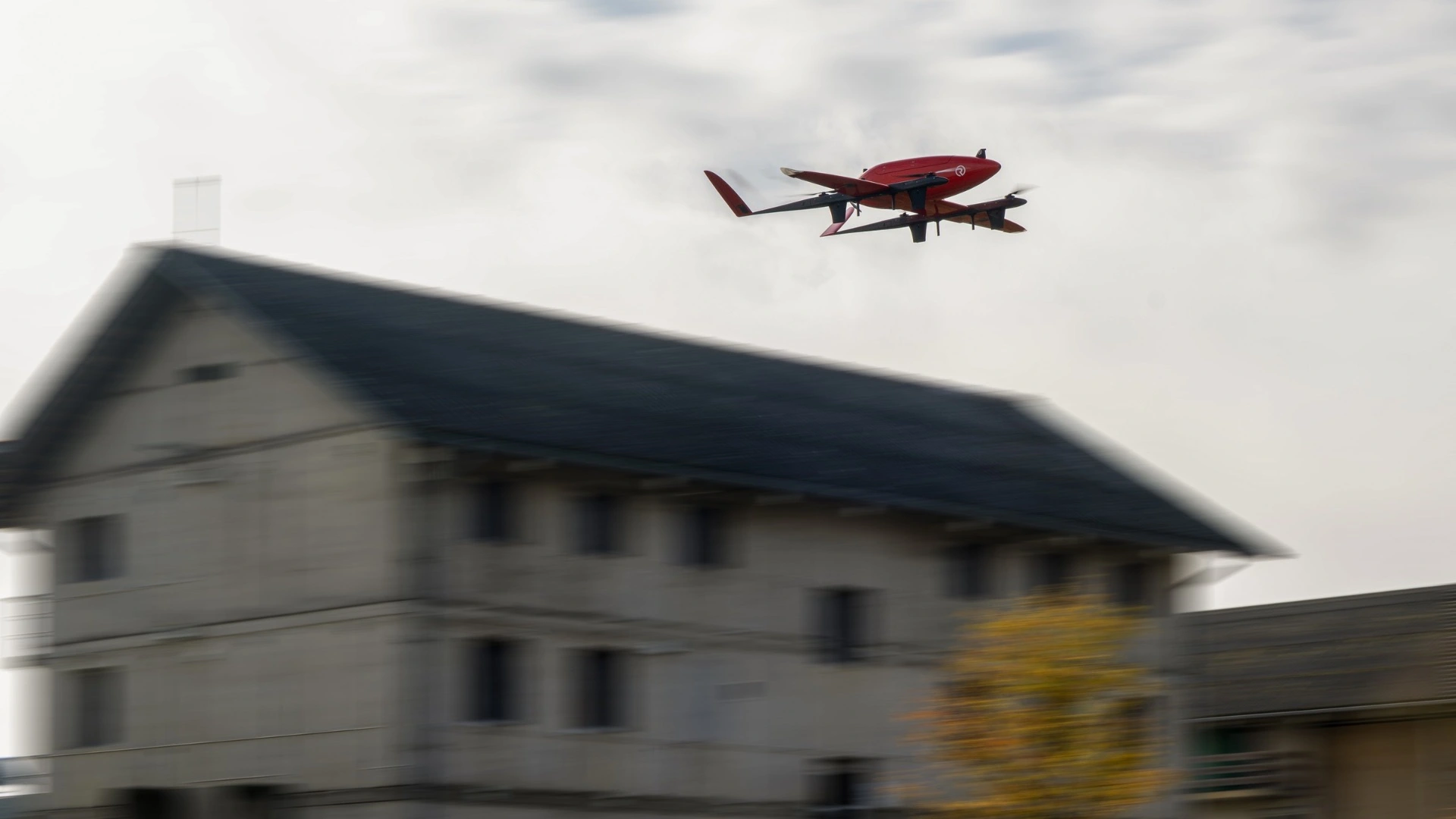
The European Defence Agency (EDA) and the Swiss Armed Forces tested aerial drones and uncrewed ground vehicles (UGVs) at the Bure military training area in Switzerland’s Jura region from November 10 to 12, 2026, assessing whether the systems can resupply frontline troops and evacuate casualties in urban combat. The trials, conducted as Alpine Experiment Logistics (ALPEX LOG) in a purpose-built training village, marked the first EDA Operational Experimentation (OPEX) campaign held outside the European Union.
The campaign took place days after the EDA stood up its Centre for European Defence Innovation (CEDI) on November 1, 2026. Approved by EU defence ministers on September 28, CEDI succeeds the Hub for European Defence Innovation (HEDI) and places operational experimentation at the core of its mandate. ALPEX LOG is the second EU OPEX campaign of 2026, following a three-and-a-half-week campaign at Portugal’s Santa Margarida military camp from September 21 to October 14.
EDA Drone Trials Target Last-Mile Resupply and Casualty Evacuation
The Swiss Armed Forces Logistics Organisation hosted the exercise, the first of its kind in Switzerland. Soldiers from a tank battalion and military logistics units worked alongside Swiss and EU companies that supplied and operated the equipment. The experiment concentrated on the final stretch of the logistics chain, where supplies must reach units in close contact and wounded personnel must be moved back toward care.
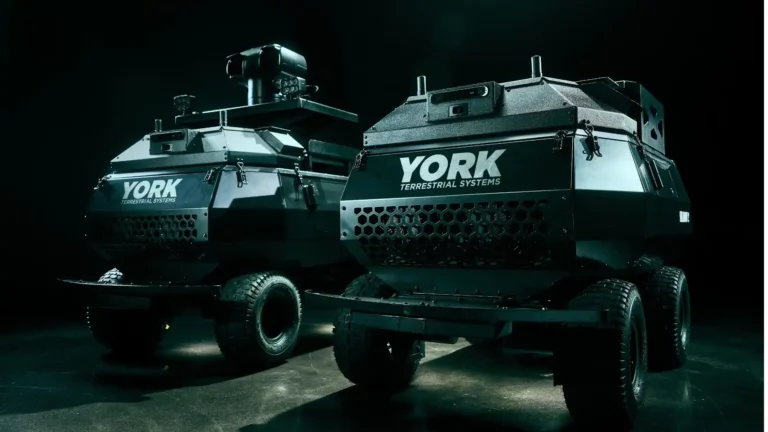
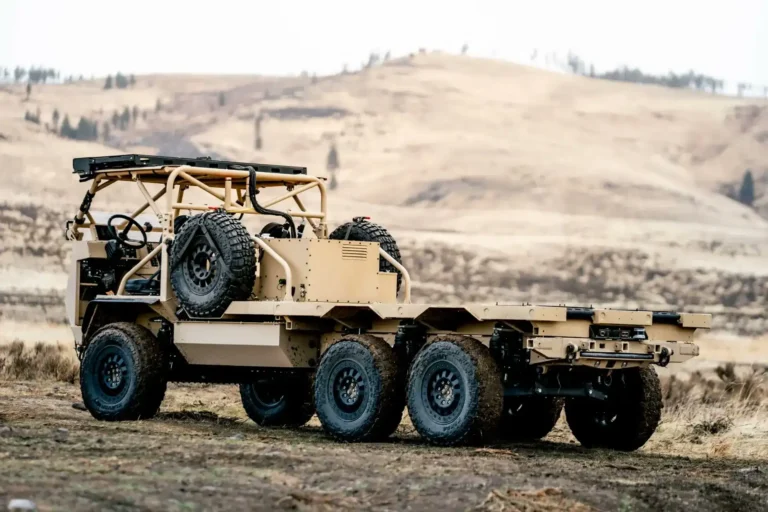
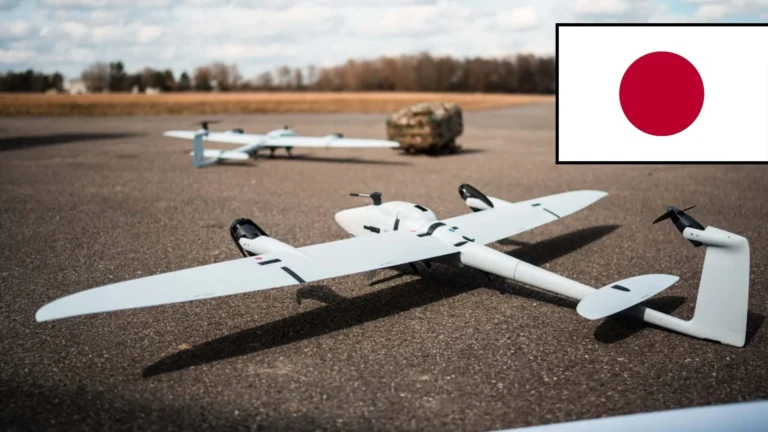
Wheeled and tracked UGVs were evaluated for both resupply and casualty evacuation (CASEVAC). Aerial drones carried cargo and reconnoitered buildings and their immediate surroundings, adding a situational awareness layer to the logistics mission. When it announced the campaign in May 2026, the EDA said the experiment would be embedded in a larger military exercise with deployed troops, complex terrain and dynamic scenarios rather than run as a static demonstration.
The urban setting drives the requirement. In built-up terrain, crewed resupply vehicles and medical teams face short-range fires, observation from upper floors and constricted routes. Shifting part of that load to uncrewed platforms reduces the number of soldiers exposed on the most dangerous leg of the supply chain. Pairing combat and logistics units let users judge how the systems fit existing procedures, while developers got direct feedback.
The EDA has not disclosed the participating companies, the platforms tested, their payload classes or any performance results. For reference, the first EU OPEX campaign in 2025 organized its procurement into lots covering low-cost attritable drones, heavy-lift vertical takeoff and landing (VTOL) unmanned aircraft carrying more than 50 kilograms, and medium wheeled and tracked UGVs in the 100 to 1,000 kilogram payload class. Whether ALPEX LOG used comparable categories has not been confirmed.
From Montelibretti to Bure: Building a European Experimentation Pipeline
ALPEX LOG builds directly on that first campaign, held in summer 2025 at the Italian Army’s Multifunctional Experimentation Centre (CEPOLISPE) in Montelibretti, near Rome. The Italian trials tested autonomous systems for cross-domain logistics, including drone-to-UGV cargo transfers for the final leg to a simulated front line. Six companies took part, among them Austria’s Schiebel with the Camcopter S-100 and Germany’s ARX Robotics. Switzerland contributed to that campaign.
The Portugal campaign this autumn widened the scope to loitering munitions and hosted the second phase of BraveTech EU, a European Commission-funded initiative run with the EDA and Ukraine’s Brave1 platform. Four companies received 300,000 euros each to mature their technologies ahead of further field experimentation in 2027. Organizers fed lessons from Portugal into the Swiss campaign.
Switzerland’s participation rests on its Administrative Arrangement with the EDA, first signed on March 16, 2012, and updated in December 2025. The revised framework extends Swiss access beyond research and innovation into a wider range of cooperative projects, applied case by case in line with Swiss neutrality. Since April 2026, a Swiss expert has been embedded in the Agency’s innovation team.
Analysis: ALPEX LOG shows the EDA turning lessons from Ukraine, where uncrewed aerial and ground systems now carry supplies to the front line, into a repeatable European testing method. Running the campaign outside the EU also signals that the Agency treats non-member partners with dense training infrastructure as active nodes in its experimentation network rather than observers. The constraint is no longer access to prototypes. It is whether armies convert trial data into requirements, doctrine and procurement decisions fast enough to keep pace with systems that, by the EDA’s own account, can become outdated quickly.
Next steps point to 2027, when the EDA plans further operational exercises to develop two pilot Drone Technology Hubs, the first in Selonia, Latvia, under the EU’s Priority Capability Area on Drone and Counter-Drone Systems. ALPEX LOG results are meant to inform equipment decisions by participating armed forces, but the Agency has not said whether it will publish an evaluation or which systems, if any, will advance toward procurement.