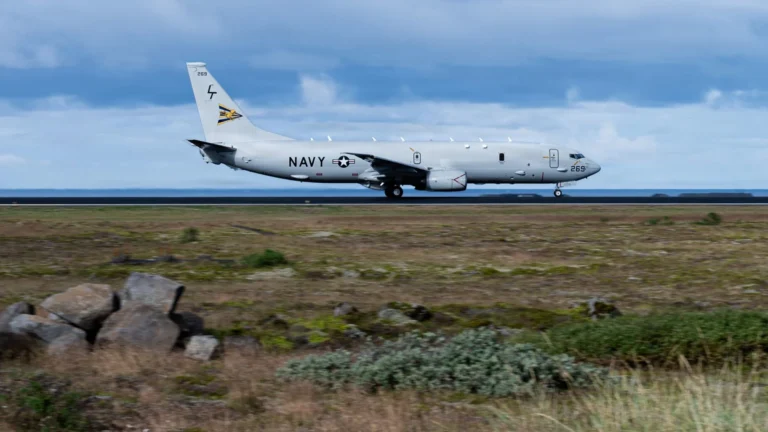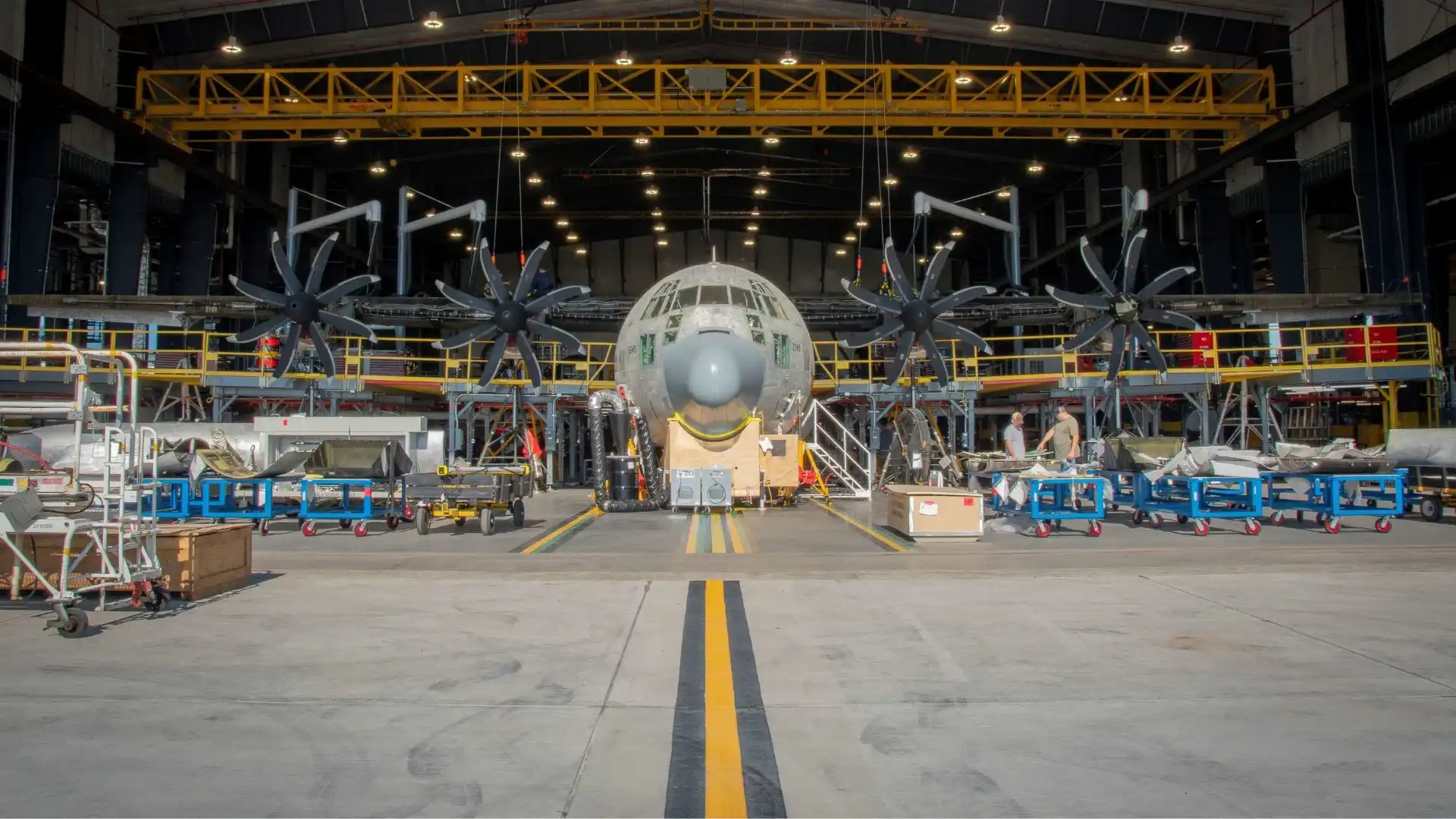
Fleet Readiness Center East (FRCE) has inducted its first C-130T Hercules for scheduled depot maintenance at its new maintenance, repair and overhaul (MRO) complex at the North Carolina Global TransPark in Kinston, the Navy announced in a November 12, 2026, release. The induction opens the first full-scale MRO cycle on the airframe since the Navy named FRCE the designated repair point for its C-130 fleet in March 2023. The aircraft moved from touchdown to the start of maintenance in three days.
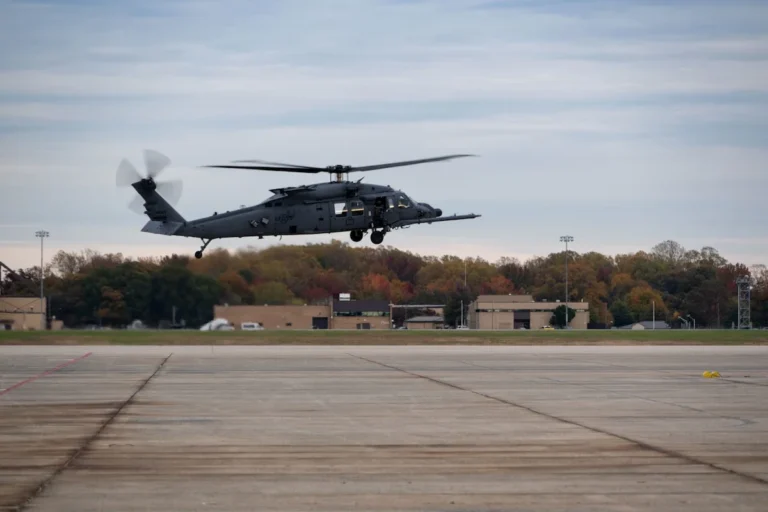
The milestone follows the September 17, 2026, ribbon cutting at the Kinston complex, which FRCE will use to support Navy C/KC-130T Hercules, Marine Corps C/KC-130J Super Hercules and Air Force HH-60W Jolly Green II aircraft. The Navy operates the site under a long-term lease executed by Naval Facilities Engineering Systems Command (NAVFAC), after North Carolina lawmakers approved $350 million in 2023 to prepare it. Navy officials have said the arrangement resulted in an estimated $700 million in cost avoidance for the U.S. government and cut the construction timeline by more than half.
FRCE C-130T Maintenance Moves From Inspections to Full Overhauls
The first aircraft arrived already cleaned and stripped, a step performed at Tinker Air Force Base, Oklahoma. FRCE expects its own paint and strip capability at Kinston to be operational by early 2027, removing that offsite step.
The aircraft begins the first full-scale planned maintenance interval (PMI) at the site. Until now, FRCE’s C-130 work centered on minor depot inspections (MDIs), 30-day targeted evolutions that address structural repairs and corrosion beyond the scope of operational squadrons and intermediate-level maintainers. MDI work continues at Marine Corps Air Station (MCAS) Cherry Point, while FRCE travel teams deploy to flight lines worldwide to deliver depot-level repairs in place. Paired with Kinston’s heavy-maintenance throughput, those teams give FRCE a full range of depot-level sustainment for the platform.
To build the PMI line, FRCE planners studied how established C-130 depot operations in the Air Force and the commercial sector manage the workload. “Now, we have the opportunity to apply our own expertise and refine the process,” said Matt Sinsel, a C-130 branch head at the facility.
The fleet it will sustain is small and aging. In May 2025 congressional testimony, the Chief of Navy Reserve put the force at 27 C-130T and KC-130T aircraft, with an average age of 34 years and a mission-capable rate of 40 percent. Flown by Navy Reserve fleet logistics support squadrons, the aircraft provide tactical airlift, troop and cargo delivery, emergency evacuation and humanitarian relief. The Navy Reserve is the only U.S. force still flying the T model; the Marine Corps retired its last KC-130Ts in 2021 after transitioning to the KC-130J.
Kinston Global TransPark Complex Builds C-130 Depot Capacity to 2030
The Kinston complex spans approximately 75 acres and more than 700,000 square feet, with direct taxiway access to the Global TransPark’s 11,500-foot runway, one of the longest civilian runways in Eastern North Carolina. FRCE projects the site will generate more than 350,000 direct artisan labor hours on the C-130 line by 2030. State officials expect the facility to employ more than 400 people.
According to Sinsel, several Navy customers have contacted the depot about sending additional aircraft to the site. The Navy has not disclosed how many C-130Ts it plans to induct per year or the target turnaround time for a full PMI.
The C-130 line is one of two major workloads at the complex. The Air Force designated FRCE as the depot repair point for the HH-60W in December 2022, and the first HH-60W was inducted at the site on September 21, 2026. FRCE, North Carolina’s largest MRO and technical services provider, employs more than 3,800 civilian, military and contract workers and reports annual revenue above $868 million.
Analysis: Moving C-130 heavy maintenance into the Navy’s organic depot base gives Naval Air Systems Command (NAVAIR) direct control over the throughput of a low-availability fleet that the Navy Reserve has repeatedly asked to replace with the KC-130J. With that recapitalization running behind the Reserve’s earlier goal of 32 KC-130Js by 2030, the C-130T will remain in service longer than planned, and depot turnaround becomes a direct readiness lever for intra-theater fleet logistics. The Marine Corps C/KC-130J workload gives the facility a lifespan beyond the T model. The lease structure, which cut cost and schedule against traditional military construction, offers the Department of War a template for closing other organic industrial base gaps.
The next markers are the completion of the first PMI and its turnaround time, the activation of in-house paint and strip capability by early 2027, and the pace of HH-60W inductions at the site. The pace of additional C-130T inductions will determine whether FRCE stays on track for its 350,000 labor-hour projection by 2030.