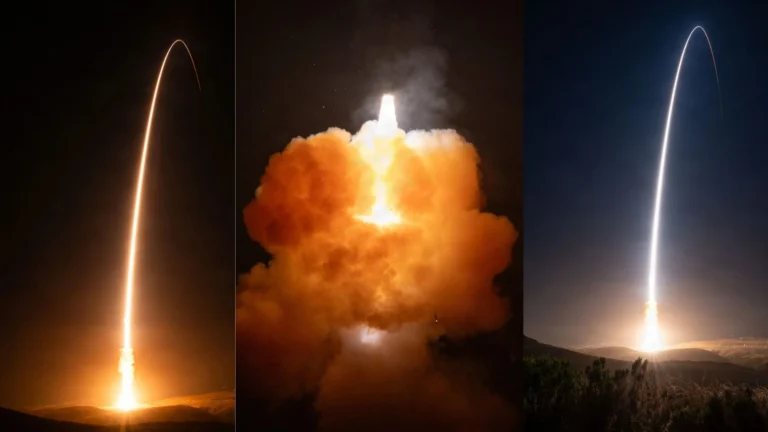
NATO formally launched STARLIFT on November 17, 2026, a multinational initiative designed to secure Allied access to commercial rockets and spaceports for the launch of military satellites. NATO Deputy Secretary General Radmila Šekerinska announced the start of the program at the NATO EDGE 26 conference in Izmir, Türkiye, after ten Allies and the Republic of Korea committed to finance it through the NATO Support and Procurement Agency (NSPA).
The funding commitments were signed on October 29, 2026, on the margins of a meeting of NATO’s National Armaments Directors. STARLIFT has been in development since October 2024, when 14 Allies signed a letter of intent to strengthen Alliance access to space. Canada joined as the 15th participant at the Ankara summit on July 7, 2026. NATO recognized space as an operational domain in 2019 and endorsed its first Commercial Space Strategy in February 2025, which calls for continuous access to commercial space services in peacetime, crisis and conflict. Satellites underpin Allied communications, navigation, intelligence and early warning.
How NATO STARLIFT Will Book Commercial Launch Slots for Allies
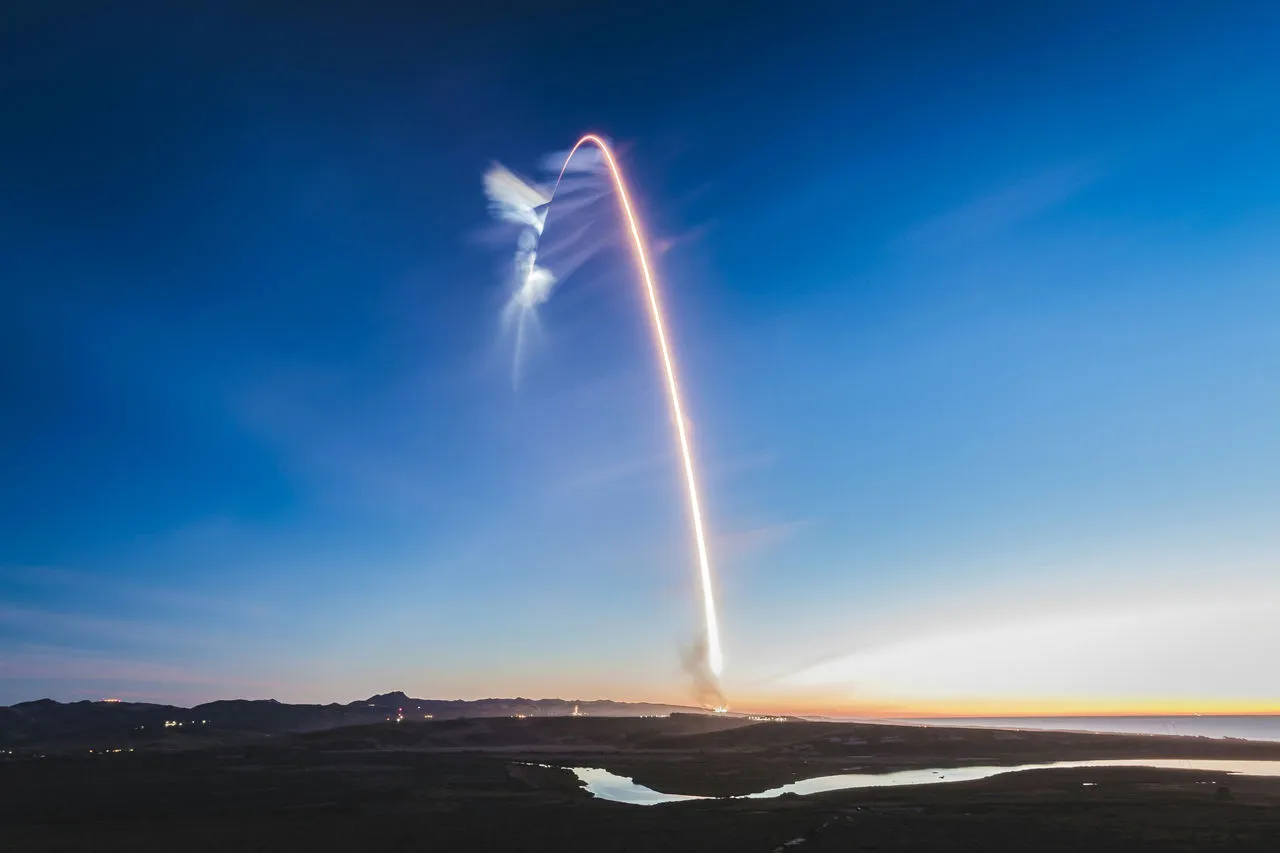
According to NATO, STARLIFT will provide military users with a launch service that helps secure slots on commercial rockets, drawing on a network of spaceports across the Alliance and the Republic of Korea. In practice, NSPA becomes an aggregator: instead of each nation negotiating separately with launch companies, participants channel requirements through a common procurement vehicle. NATO said pooling demand and coordinating requirements will improve access to launch services and support industry investment.
The initiative also carries an operational experimentation strand. STARLIFT will serve as a forum to develop and test concepts for responsive space operations, including the urgent launch of satellites. Testing and experimentation are intended to improve Allied launch infrastructure and logistics, while coordinated air and maritime traffic management will support safe launches, both routine and short-notice. That point addresses a practical constraint: every orbital launch requires airspace and sea-area closures along its flight corridor, and a short-notice launch depends on procedures agreed in advance with national aviation and maritime authorities.
When STARLIFT was first unveiled in 2024, NATO described three possible crisis uses: launching assets on short notice, maneuvering a pre-positioned spare spacecraft, and buying data from commercial partners. In July 2026, Šekerinska summarized the goal as a network of launch companies and spaceports that could, for instance, put a replacement satellite into orbit during an emergency.
Key parameters remain undisclosed. NATO has not published the value of the national commitments, the number of launches covered, the contracting timeline, or the list of participating launch providers and spaceports.
Ten Funding Nations, Seoul, and the Missing Original Signatories
The financing group comprises Belgium, Canada, Finland, Germany, Italy, the Netherlands, Norway, Sweden, Türkiye and the United Kingdom, joined by the Republic of Korea. The roster differs from the 15 Allies enrolled in the exploratory phase. France, Hungary, Luxembourg, Spain and the United States, all early participants, are not among the funding nations. The absence of France, which operates the Guiana Space Centre in Kourou, and of the United States, home to most of the world’s launch capacity, stands out. NATO has not said whether either will join later.
South Korea’s inclusion extends a NATO capability initiative to an Indo-Pacific partner, and NATO specified that the spaceport network will include Korean facilities. Seoul operates the Naro Space Center in Goheung, the launch site of its domestically developed Nuri rocket, although NATO did not identify which Korean sites will take part.
On the Alliance side, the commercial launch base has matured in recent months. Isar Aerospace’s Spectrum rocket reached orbit from Andøya Spaceport in Norway on September 5, 2026, the first orbital launch by a commercial provider from continental Europe. Publicly available specifications indicate Spectrum can carry up to 1,000 kg to low Earth orbit. Rocket Factory Augsburg has built its debut around SaxaVord Spaceport in Shetland, Sweden’s Esrange Space Center is pursuing orbital capability, and Isar has signed a 10-year agreement with Maritime Launch Services to develop a dedicated launch complex at Spaceport Nova Scotia. Norway, Sweden, the United Kingdom and Canada, which host these sites, all sit in the funding core.
Analysis: STARLIFT’s contribution is contractual and procedural rather than technological. Europe’s emerging small launchers need predictable institutional demand to sustain production rates, while military planners need guaranteed slots, payload integration procedures and pre-cleared launch corridors before a crisis begins. Aggregating demand through NSPA addresses both sides of that equation. The scope is bounded, however: launchers in the 1,000 kg class suit the replenishment of small satellites in low Earth orbit, not heavy geostationary assets. The funding roster also matches NATO’s own framing that European Allies and Canada are taking greater responsibility for shared security in space.
The next indicators will be NSPA’s first launch service contracts, publication of the participating spaceport list, and a first STARLIFT experimentation campaign testing a short-notice launch. Whether France, Spain and the United States move from the exploratory group into the funding core will determine how far the network extends beyond Northern Europe, Canada and Korea.