BAE Systems raised its 2026 free cash flow forecast to around £3 billion on November 12, 2026, up from a previous expectation of more than £2 billion, as the British defense group reported £33 billion in orders secured so far this year. The company reaffirmed its targets for sales, underlying earnings before interest and tax (EBIT) and underlying earnings per share (EPS).
The market update follows a guidance upgrade at the half-year results in July and comes as governments in the United States, the United Kingdom and Europe remain committed to increasing defense spending. Chief Executive Charles Woodburn said the group had “delivered strong financial and operational performance year to date,” adding that its “substantial backlog provides good visibility.” BAE Systems expects further agreements before year-end.
BAE Systems Free Cash Flow Guidance Rises to £3 Billion
Sales, EBIT and EPS guidance is unchanged from July. Only the cash target moves:
- Sales: up 8% to 10% (2025: £30.7 billion)
- Underlying EBIT: up 10% to 12% (2025: £3.3 billion)
- Underlying EPS: up 11% to 13% (2025: 75.2 pence)
- Free cash flow: about £3.0 billion (previously more than £2.0 billion; 2025: £2.2 billion)
Applied to the 2025 base at constant currency, the sales range implies revenue of roughly £33.2 billion to £33.8 billion and EBIT of about £3.6 billion to £3.7 billion. The cash figure includes some benefit from customer advances received to date but excludes any material advances that may arrive before December 31, so part of the uplift reflects payment timing rather than earnings.
Guidance assumes a constant GBP:USD rate of $1.32, the 2025 average, against a year-to-date average of about $1.34. On the company’s sensitivity, a 5-cent move shifts sales by about £500 million, EBIT by about £70 million and EPS by about 1.4 pence, so a stronger pound trims the sterling value of dollar-denominated sales.
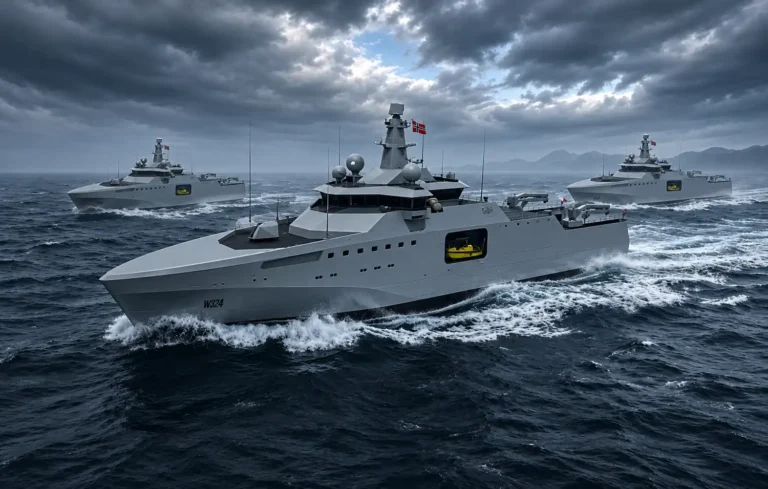
Strong trading in Electronic Systems, Air and Platforms & Services again more than offset subdued growth and margins in Maritime, which is working through the first-in-class stage of the Type 26 frigate program. The Royal Navy is acquiring eight Type 26 City-class anti-submarine warfare frigates, a design also selected by Australia and Canada, and Norway chose it in 2025 for at least five frigates, according to the UK government.
GCAP, Dreadnought and US Munitions Drive £33 Billion in Orders
Second-half awards cited by the company include:
- About £1.6 billion tied to the Global Combat Air Programme (GCAP), including its share of a roughly £4.6 billion contract to Edgewing to complete the advanced concept and assessment phase and move toward joint detailed design and development.
- About £1.5 billion as its share of MBDA orders.
- About £4.3 billion in further funding for the Dreadnought class nuclear deterrent submarines.
- About A$1.3 billion for Australia’s High Frequency Surveillance capability to establish an Arctic over-the-horizon radar (A-OTHR) in Canada, Australia’s largest defense export.
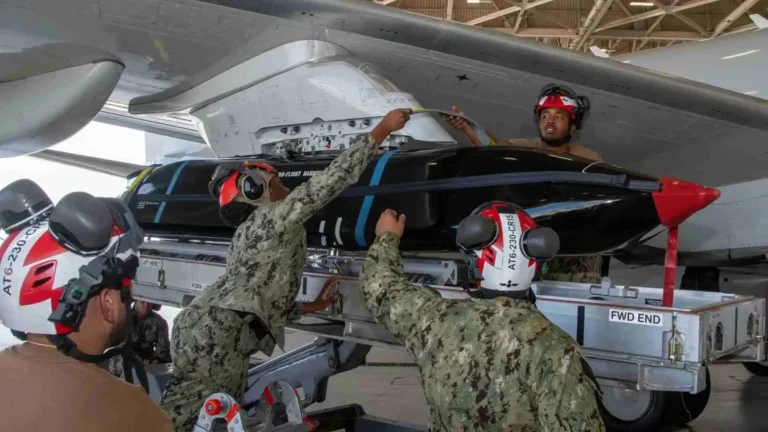
- About $1.0 billion in incremental munitions funding, including Advanced Precision Kill Weapon System (APKWS) guidance kits and Terminal High Altitude Area Defense (THAAD) infrared seekers.
- About $0.8 billion to continue full-rate production of the Armored Multi-Purpose Vehicle (AMPV) for the US Army.
- About $0.5 billion across the Holston and Radford Army Ammunition Plants for energetics production and facility modernization.
Edgewing is the GCAP joint venture of BAE Systems, Italy’s Leonardo and Japan Aircraft Industrial Enhancement Co., each holding 33.3%. Dreadnought boats will replace the Vanguard fleet to sustain the UK’s Continuous at Sea Deterrent, while APKWS kits convert unguided 70 mm rockets into precision-guided munitions, including for counter-drone missions.
In the US, the company supports 10 of the 12 munitions programs prioritized for significantly increased production capacity and contributes to missile warning and tracking in space. In the UK, it cited the Defence Investment Plan’s support for next-generation fighters and autonomous collaborative combat aircraft; in Europe, missile and air defense, land vehicles and combat air.
Analysis: With weeks left in the year, £33 billion of intake already sits close to the implied £33.2 billion to £33.8 billion sales range, putting BAE Systems near a book-to-bill ratio of 1.0 before the additional awards it expects. The mix matters as much as the total: Dreadnought and GCAP are multi-decade sovereign programs that anchor visibility, while munitions and energetics funding ties the group to Washington’s drive to expand production capacity. The pressure point remains Maritime, where first-in-class Type 26 work weighs on margins even as the design’s export base widens.
BAE Systems expects to return about £1.6 billion to shareholders in 2026, including the 2025 final dividend, an interim dividend payable on December 2, 2026, and about £500 million of share repurchases. Preliminary full-year results are due on February 19, 2027.