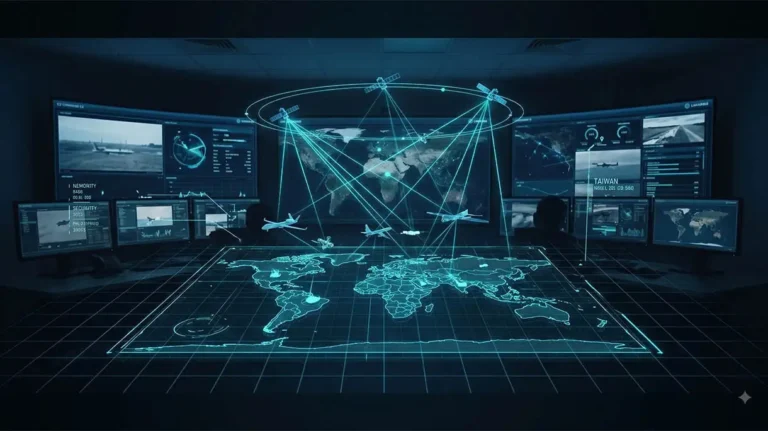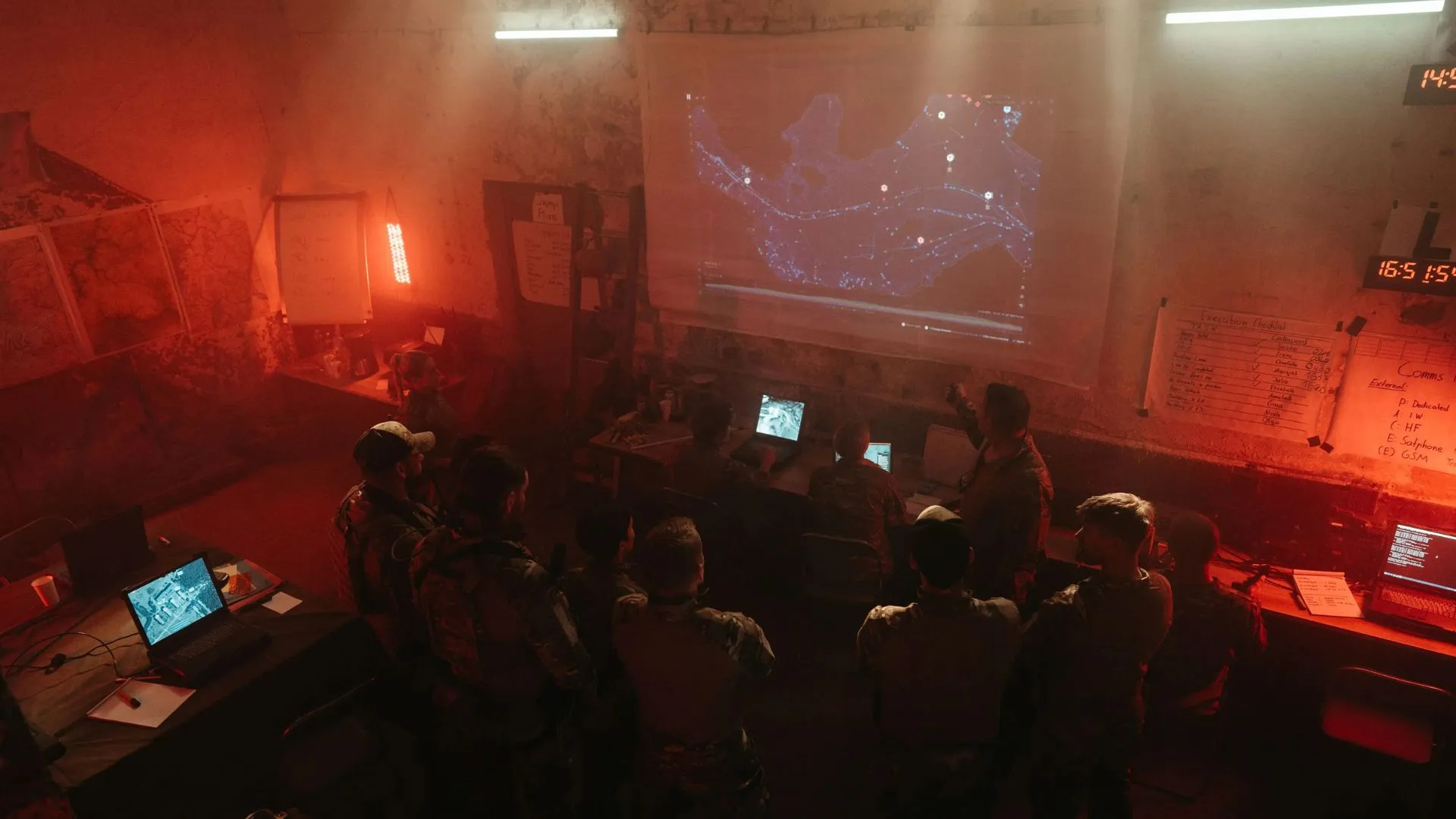
Helsing unveiled Clarity in Berlin on November 11, 2026, an agentic intelligence platform that fuses data from every source available to a military unit, detects adversary assets and positions within seconds, and prepares the data needed to employ the best-suited weapon system once a human operator has reviewed the findings. The Munich-based military AI company says Clarity is developed in Europe, runs on customer-owned infrastructure and remains under European control.
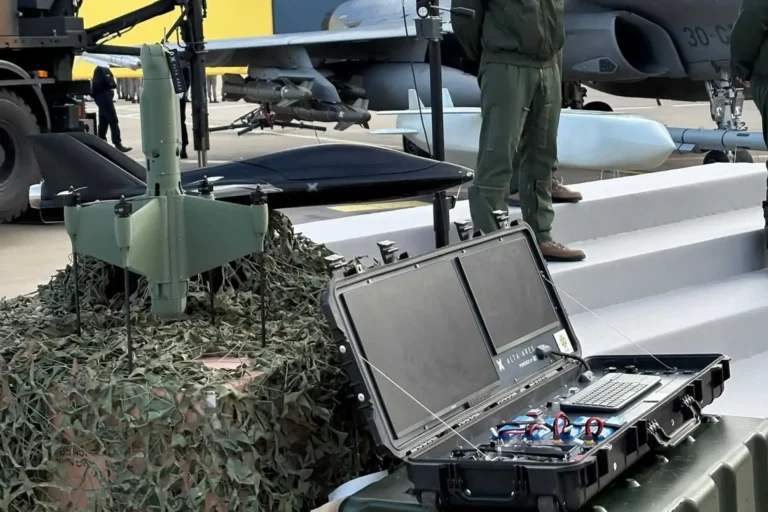
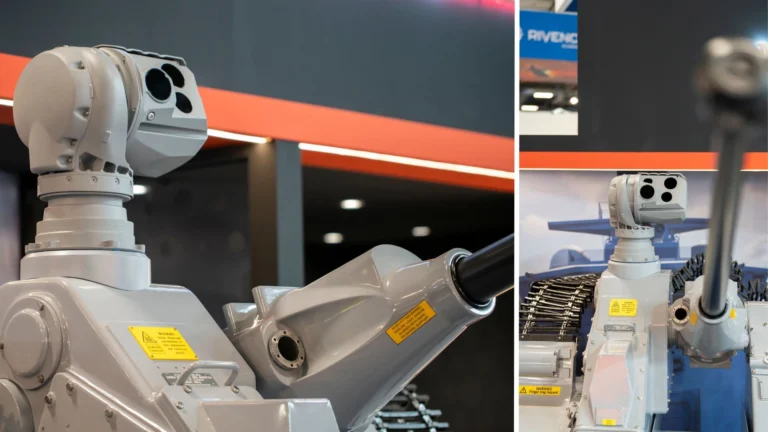
The launch comes 16 days after Helsing introduced Contra, its autonomous air defense system, alongside the jet-powered AD-1 Inferno and solid-rocket AD-2 Ambush interceptors. It also extends a portfolio built around Altra, the reconnaissance-strike software behind the HX-2 strike drones Helsing has supplied to Ukraine. Clarity targets the layer between sensors and shooters. Satellites, sensors and drones now feed intelligence cells with more data than analysts can process, while long-range missiles and multi-domain autonomous systems widen engagement options. According to Helsing, turning that data into a reliable operational picture and preparing the inputs for decision and action still relies largely on manual processes.
How Helsing Clarity Fuses Sensor, Open-Source and Legacy Data
Clarity ingests sensor feeds, open-source information, written reports and data from systems already in service. It cross-correlates those inputs, analyzes large volumes in seconds and flags adversary military assets and positions. An operator reviews each detection; Clarity then prepares the data required to task the most appropriate weapon system. Helsing describes the architecture as AI-native, built free of legacy software architectures.
The platform’s agents are purpose-built for military tasks. Helsing says its models are trained on large military datasets combining real data representative of operational conditions, AI-generated synthetic data and simulated environments. The synthetic and simulated component is meant to cover scenarios that real-world collection does not document, and the company claims the models remain effective in difficult conditions and adapt as threats evolve. A shared military ontology and a common evidence base allow hundreds of agents to work in parallel, cross-check information, call analytical tools and run complex intelligence tasks.
Chief Technology Officer Rob Fink described the capability set as spanning multimodal understanding of sensor data, advanced reasoning and planning, paired with strict data governance and access control, traceability, data provenance documentation and handling of classified information in line with applicable requirements. Helsing announced a collaboration with Mistral AI on vision-language-action models in February 2025, but has not said whether Clarity draws on that work.
Several parameters remain undisclosed: the underlying model architecture, supported sensor types and data formats, processing latency, hardware footprint, and whether Clarity can run at the tactical edge as well as in fixed headquarters. Helsing has also not stated which classification levels the platform is accredited to handle.
Human Authorization and Source Concurrence in the Targeting Chain
Helsing frames Clarity as decision support rather than autonomous targeting. A human operator retains authority over every decision, reviewing the supporting evidence, designating each target and authorizing any handoff to an effector. Clarity never relies on a single source. A target is proposed for engagement only when independent sources agree, the confidence level is high and an operator confirms it.
The platform embeds the validation checkpoints set out in the applicable targeting doctrine, and every decision is logged with the identity of the person who made it. That audit trail addresses a core requirement under the law of armed conflict, where commanders must be able to demonstrate after the fact the basis for distinction and proportionality judgments. It also gives procurement authorities a mechanism to review how AI-generated recommendations were handled in a given engagement.
Helsing has not specified how confidence thresholds are calculated, whether customers can tune them to their own rules of engagement, or how the system resolves conflicting reporting between sources. Those details will determine how much analytical workload Clarity actually removes from targeting cells, and how much it shifts toward operators who must validate machine-generated proposals at speed.
Sovereign Architecture, MOSA Principles and NATO Interoperability
Sovereignty is the platform’s central design driver. Clarity runs on infrastructure owned by the customer, while Helsing develops its AI models and integrations in Europe. Data, models and operations remain under customer control, and the company states that no other party owns the platform. Co-CEO and co-founder Gundbert Scherf argued that as autonomous systems take a growing role, forces must connect what is detected with what is struck, and that a capability this critical has to be sovereign.
On interoperability, Clarity follows the Modular Open Systems Approach (MOSA), implements relevant NATO standards, works with systems already fielded by armed forces and connects to effectors from any manufacturer. Helsing has not named the specific NATO standardization agreements or data-link protocols supported. The effector-agnostic claim carries weight because Helsing also sells its own effectors, from the HX-2 loitering munition to the AD-1 and AD-2 interceptors. Customers will look for evidence that Clarity hands off targets to third-party artillery, missiles and aircraft as readily as to Helsing hardware.
Analysis: Clarity moves Helsing up the stack, from tactical reconnaissance-strike software tied to drones and fires toward operational-level, all-source intelligence fusion. That places the company in direct competition with US platforms already established in the segment, notably Palantir’s Maven Smart System, which the NATO Communications and Information Agency acquired for Allied Command Operations on March 25, 2025. Helsing’s differentiator is political as much as technical: customer-owned infrastructure, European development and no third-party ownership answer a growing European concern over dependence on US software in the targeting chain. Its credibility will rest on accreditation for classified national and NATO networks, integration with existing command-and-control suites, and transparent validation of models trained partly on synthetic data.
Helsing has disclosed no launch customer, contract value, pricing or fielding timeline, and has not said whether Clarity is already in operational use or under evaluation. The next indicators to watch are a first announced national customer, accreditation for classified networks, demonstrated integration with Altra and Contra, and Clarity’s appearance in NATO interoperability trials and exercises.