Slovenia has signed the European Defence Agency’s (EDA) Programme Arrangement on Unmanned Aircraft Systems Training and Exercises (UAS TREX), joining an EU-level framework for military drone training. EDA Chief Executive André Denk signed the arrangement with Slovenian Minister of Defence Valentin Hajdinjak during a visit to Slovenia from November 9 to 11, 2026, which also included a keynote at the Slovenia International Defence Exhibition and Conference (SIDEC 2026) in Celje.
The signature comes as European armed forces work to make drone operations a core military skill rather than a niche specialty, a shift informed by battlefield experience in Ukraine. EDA has tied its unmanned systems work to the 2030 readiness horizon set by the White Paper for European Defence – Readiness 2030, presented by the European Commission and the High Representative in March 2025. Speaking at SIDEC alongside Ukraine’s Deputy Minister of Defence Anna Gvozdiar and Slovenian State Secretary Erik Kopač, Denk said Europe must “move faster and deliver the capabilities Europe needs by 2030.”
What the UAS TREX Arrangement Adds to EDA Drone Training
EDA has not publicly released the scope of UAS TREX, the list of participating Member States, its budget, its duration or the location of its training activities. In EDA practice, a programme arrangement is the instrument that binds contributing Member States to an ad hoc project with its own funding and governance, which suggests a standing effort rather than a single event.
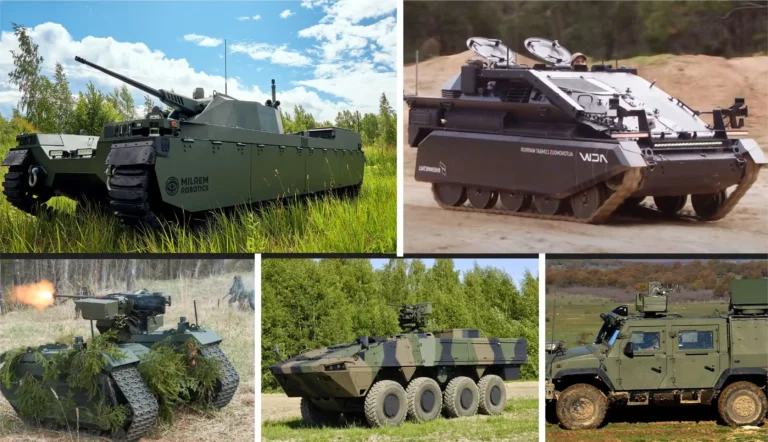
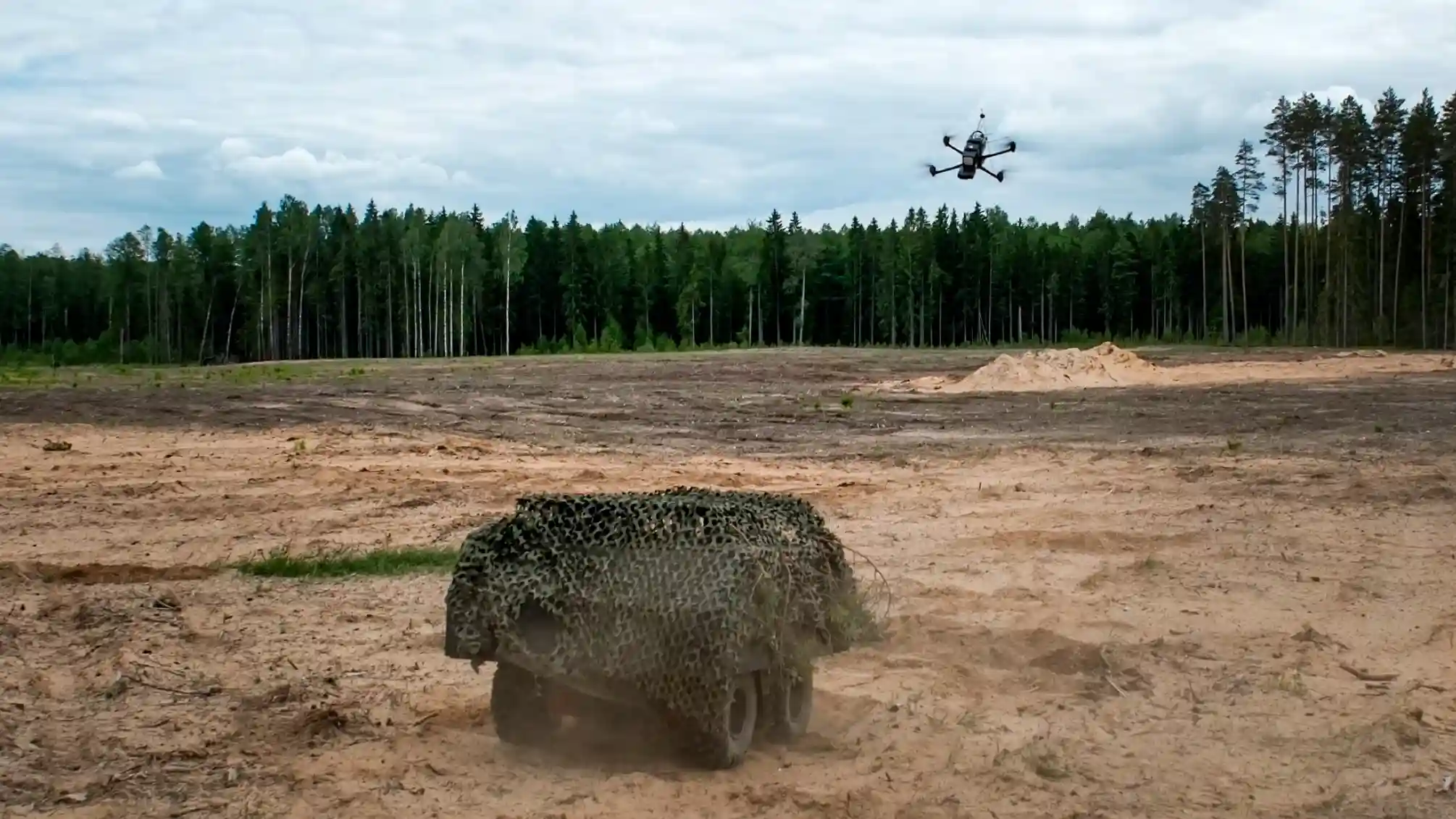
The arrangement follows a clear precedent. From May 31 to June 5, 2026, EDA and the Latvian Armed Forces ran the first EU-wide course on advanced UAS strike and interception operations, bringing together first-person view (FPV) drone pilots from 14 Member States. Trainees engaged static and moving targets, operated in trenches and forests, struck manned and unmanned mechanized platforms, including unmanned ground vehicles, and flew night missions with thermal imaging. In parallel, EDA’s UAS Operational Users Working Group, which began work in December 2024, discussed a follow-on project to turn that single course into a lasting European program. EDA officials described the objective as a network of training centers, a full training syllabus and integration into existing exercises such as Titan Sky. The title and timing of UAS TREX match that roadmap, although EDA has not explicitly confirmed the link.
Slovenia’s Drone, Quantum and Research Footprint Inside EDA
Slovenia’s work with EDA covers land capabilities, drones and counter-drone systems, integrated air and missile defense, military mobility, research and technology, and energy resilience. Ljubljana is co-Lead Nation of the Priority Capability Area (PCA) on Quantum and participates in the PCA on Drones and Counter-Drone Systems. The country takes part in 14 EDA ad hoc research and technology projects and programs worth €71.76 million, while Slovenian entities participate in 28 projects selected under European Defence Fund calls from 2021 to 2025, two of which EDA manages on behalf of the European Commission.
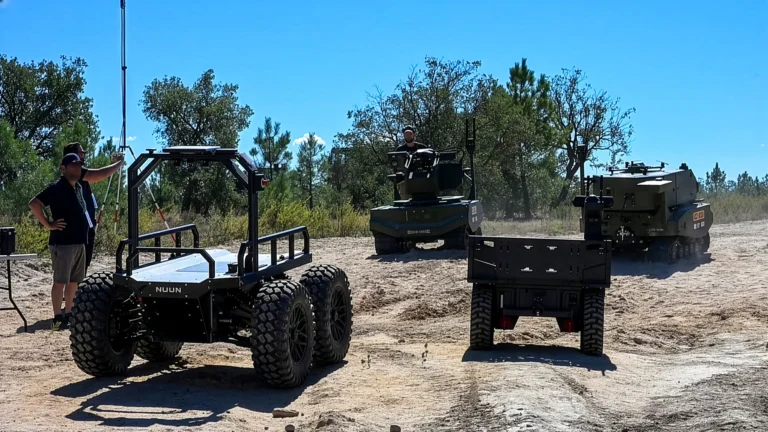
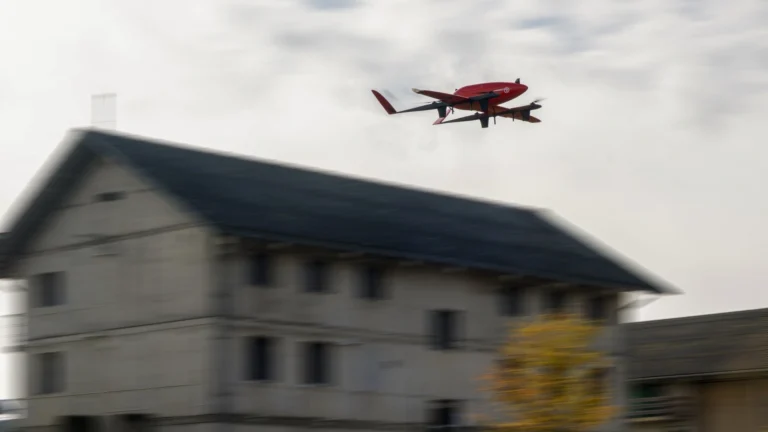
Slovenian industry is also visible in EDA’s innovation track. C-Astral, the Ajdovščina-based maker of the Bramor family of fixed-wing small UAS, was one of five finalists in the Sentinel Strike Challenge, an EDA prize contest for loitering munitions tested at the Santa Margarida training area in Portugal in September and October 2026. Slovenia also supplied four independent external experts to the contest. During the visit, Denk met National Armaments Director Uroš Korošec, Defence Policy Director Uroš Zorko, Research, Technology and Innovation Director Ajda Vodlan, and the Slovenian Defence Industry Cluster (GOIS).
Analysis: For a small armed force such as Slovenia’s, a multinational training framework offers access to ranges, instructors and scenario design that would be costly to build nationally. For EDA, each signatory widens the base for common tactics, techniques and procedures in FPV strike and drone interception, a field where battlefield practice in Ukraine changes faster than national training pipelines can absorb. The value of UAS TREX will depend on whether it delivers recurring, standardized courses, not on the signature itself.
Key details remain open: which other Member States have signed UAS TREX, how it is funded and when its first exercise will take place. EDA plans to step up drone testing and exercises in 2027 as it develops two Drone Technology Hubs, and Sentinel Strike Challenge winners are expected to be announced the same year.